
Trump’s ultimatum: The future of NATO is at risk due to the blockade of the Strait of Hormuz
/ 16 March 2026 22:02
3 min to read
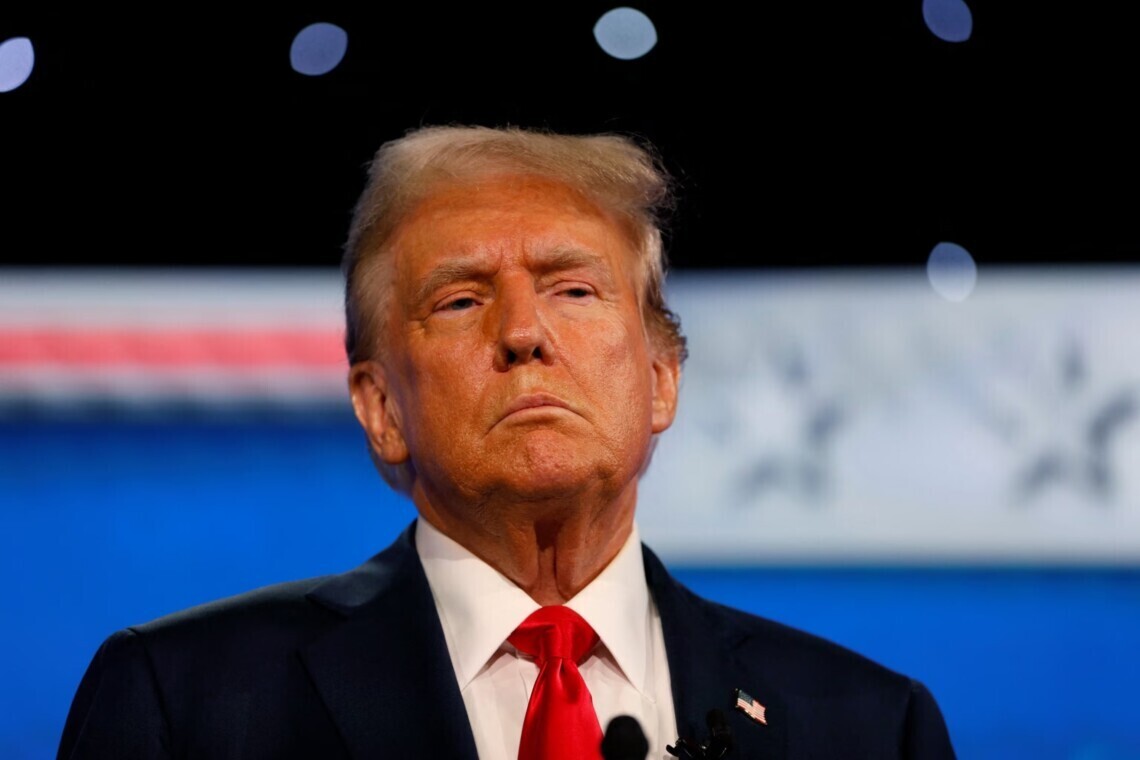
U.S. President Donald Trump made a sensational statement that could radically alter the structure of relations within the North Atlantic Alliance. In an interview with The Financial Times, the American leader warned that NATO faces a “very bad” future if allies do not join efforts to unblock the Strait of Hormuz.

The situation surrounding one of the world’s most critical sea lanes has escalated after Iran effectively closed the strait amid an armed conflict with the U.S. and Israel. This has already triggered a sharp rise in global oil prices and increased the cost of living for hundreds of millions of people.
The Principle of Reciprocity: From Ukraine to the Persian Gulf
Donald Trump drew a direct parallel between support for European security and the situation in the strait. According to him, the U.S. has long demonstrated leadership in assisting Ukraine in its war with Russia, and now Washington expects Europe to take similar steps in response.
“If there is no response, or if it is negative, I think it will be very bad for the future of NATO,” Donald Trump emphasized.
What kind of assistance does Washington expect?
The U.S. president clearly outlined the list of measures needed to restore safe navigation. According to the White House, Alliance countries should provide:
- Mine sweepers to clear the waters of the mine threat.
- A military contingent to neutralize “malicious actors” operating along the Iranian coast.
- Coordination of efforts within the framework of a special international mission (Trump confirmed that he has already held talks with seven countries on this issue).
The Chinese Factor and the Global Economy
An interesting aspect of the statement was the mention of Beijing. Trump noted that China, which receives about 90% of its oil through the Strait of Hormuz, is also obligated to join in resolving the crisis. This places the issue of trade route security within the realm of global responsibility, rather than merely a regional conflict.
Legal and Political Implications
For NATO, this call poses a serious challenge. Refusal to participate in the operation could give Washington a reason to reconsider its financial and military commitments to the Alliance. International law experts note that blocking international straits constitutes a violation of the UN Convention on the Law of the Sea; however, the format of NATO’s participation in an operation outside its direct area of responsibility will require complex political coordination.