Are utility debts inherited: what does the law provide?
/ 20 November 2026 10:19
2 min to read
Ukrainians who inherit an apartment or house may receive the previous owner’s debts for utility services along with the property. At the same time, the law limits the liability of heirs and determines the terms within which creditors can demand repayment of debts.
According to Article 1218 of the Civil Code, the inheritance includes not only the property and rights of the deceased, but also obligations that did not cease as a result of his death.
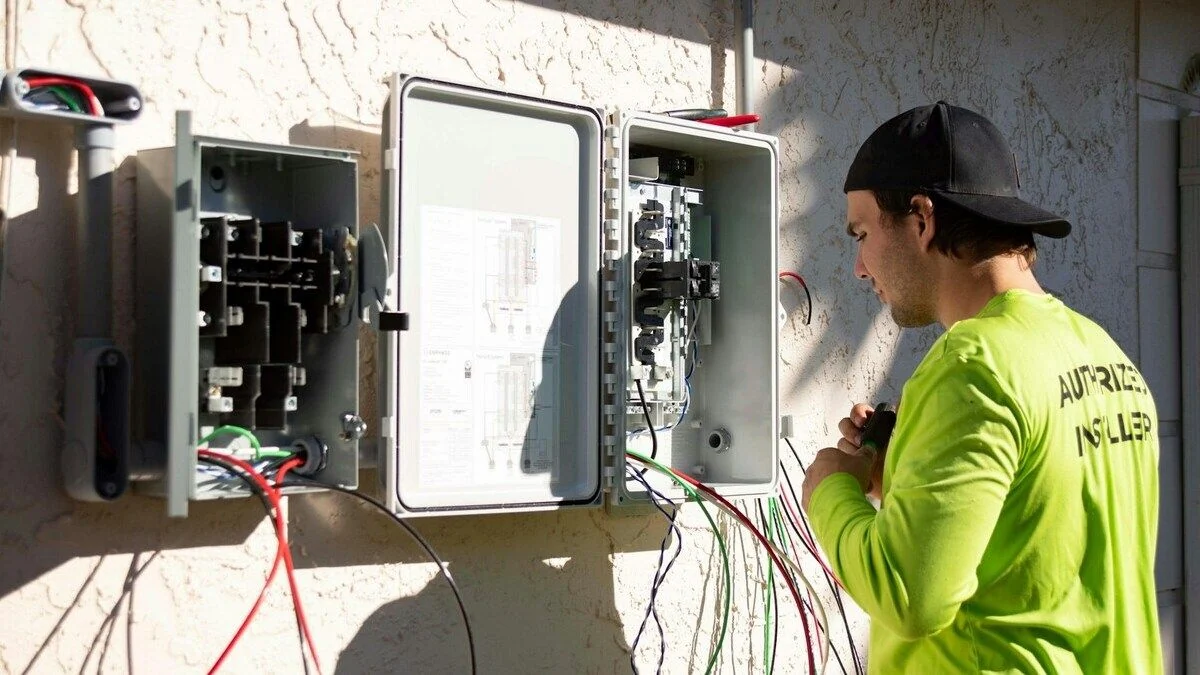
In particular, the heirs may inherit debts for electricity, gas, water, heating, garbage removal, and management of an apartment building.
However, the heirs are liable for debts only within the value of the property received. For example, if the value of the inherited apartment is 500 thousand hryvnias, and the debts of the deceased are 700 thousand, the heir’s liability is limited to 500 thousand hryvnias.
If there are several heirs, each is liable for debts in accordance with his share in the inheritance.
At the same time, relatives who did not accept the inheritance, as a general rule, are not obliged to repay the debts of the deceased only due to family ties.
Is it possible to get an apartment without debts?
The legislation does not allow accepting only property, waiving the testator’s financial obligations. At the same time, a person has the right to completely waive the inheritance in accordance with the procedure established by law.
Creditors must also comply with the deadlines for submitting claims. According to Article 1281 of the Civil Code, as a general rule, a claim must be filed within six months from the date the heir received the certificate of the right to inheritance. If the creditor did not know and could not have known about this, the deadline is calculated from the moment he learned the relevant information.
In the event of a dispute, the utility company may apply to court with a claim for debt collection.
Lawyers advise that before accepting an inheritance, check the existence of debts, the correctness of the accruals, and the value of the property to assess possible financial obligations.
Without an author