Europe refuses to transfer frozen Russian assets to Ukraine? Belgian Prime Minister makes statement
/ 22 October 2026 17:24
3 min to read
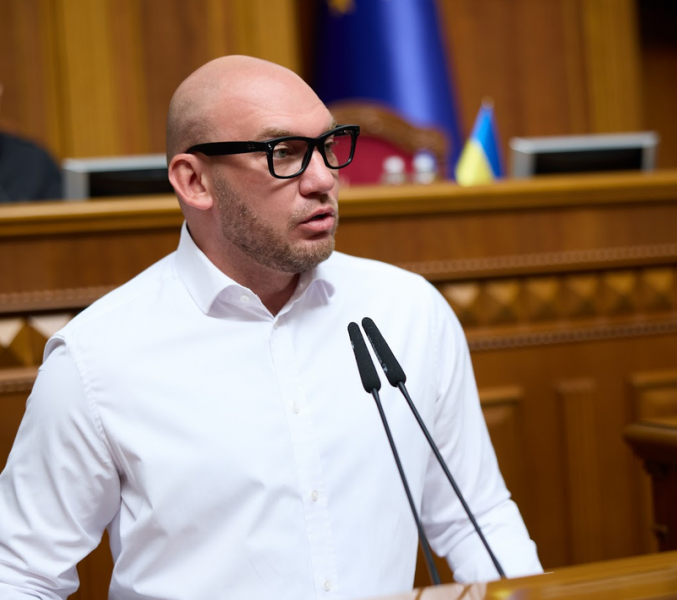
Ukraine may face new obstacles in the issue of using frozen Russian assets. Belgian Prime Minister Bart de Wever said that the European Commission, according to his information, does not plan to return to discussing the mechanisms for attracting these funds to finance Ukraine. At the same time, some European leaders continue to advocate the use of Russian assets.
This was reported by the Belgian publication The Brussels Times.
Why Belgium opposes the use of Russian assets
Belgian Prime Minister Bart de Wever spoke about his government’s position after the summit of European Union leaders, which took place on October 15-16 in Brussels.
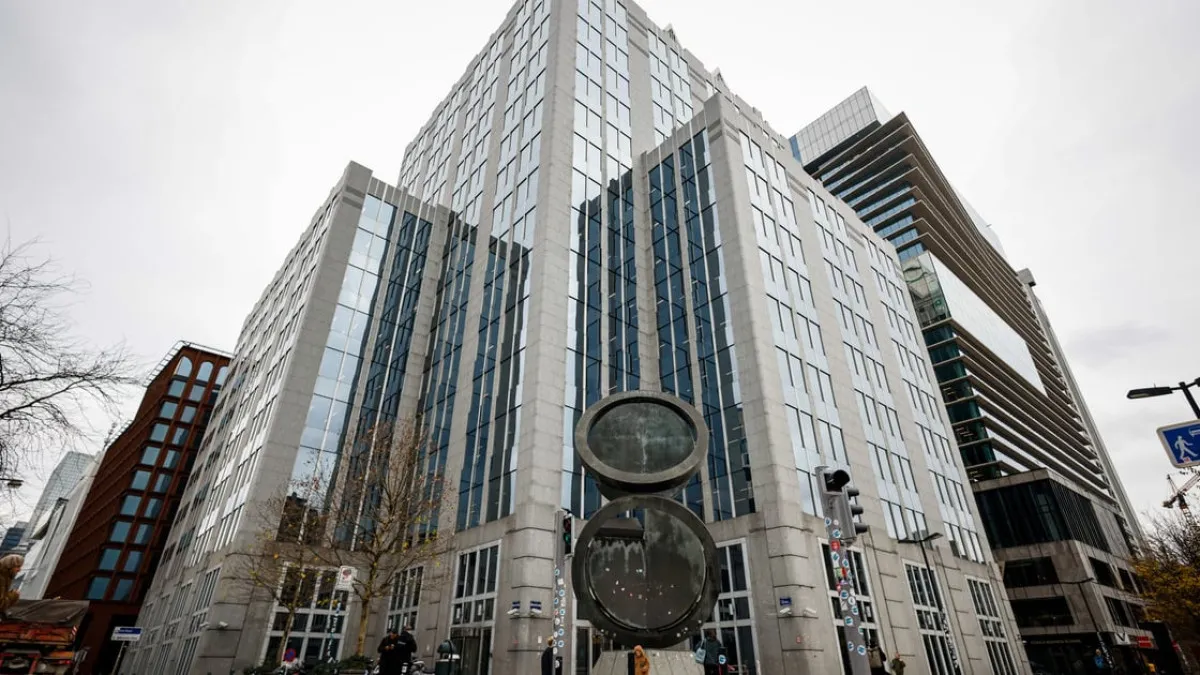
According to him, the European Commission does not plan to put forward new proposals for the use of frozen Russian funds stored in the international depository Euroclear.
This depository is located in Belgium, so the country plays an important role in discussions on the possible attraction of Russian assets to support Ukraine.
De Wever stated that he had received assurances that there were no new initiatives from the European Commission on this issue.
At the same time, there is no official decision of the European Union on the final refusal to use Russian assets in the above message.
In Europe, supporters of transferring funds to Ukraine remain
Despite the position of the Belgian Prime Minister, the discussion among European politicians has not completely stopped.
According to de Wever, some heads of EU states continue to advocate a return to the issue of Russian assets.
In particular, he mentioned the Prime Minister of the Netherlands, Rob Jetten, who had previously publicly expressed his intention to seek the use of frozen funds to support Ukraine.
The Belgian Prime Minister criticized such statements and emphasized that some new European leaders did not participate in previous discussions on this topic.
In his opinion, this leads to the re-raise of issues on which serious disagreements had already arisen earlier.
What are the consequences that the Belgian government fears
One of Bart de Wever’s main arguments is the possible legal risks.
The prime minister warned that even public statements about the potential use of frozen Russian assets could have legal consequences.
He claims that his arguments influenced the course of discussions among European leaders.
According to de Wever, after the discussions, support for returning to this topic became less noticeable.
However, these statements reflect the Belgian prime minister’s assessment, and not an officially confirmed common position of all EU states.
What does this mean for Ukraine
The issue of using frozen Russian assets remains important for financial support for Ukraine in the conditions of a full-scale war.
Belgium’s position may complicate the agreement on new financing mechanisms related to funds held in Euroclear.
At the same time, de Wever’s statement does not mean that the European Union has already made a final decision to abandon this idea forever.
It is also important to distinguish between the direct use of frozen Russian assets and the capture of the income they generate. These are different financial and legal mechanisms.
Without an author