
Private medical institutions have announced the risk of limiting access to MRI and CT due to the draft law of the Ministry of Health
/ 10 August 2026 14:40
3 min to read
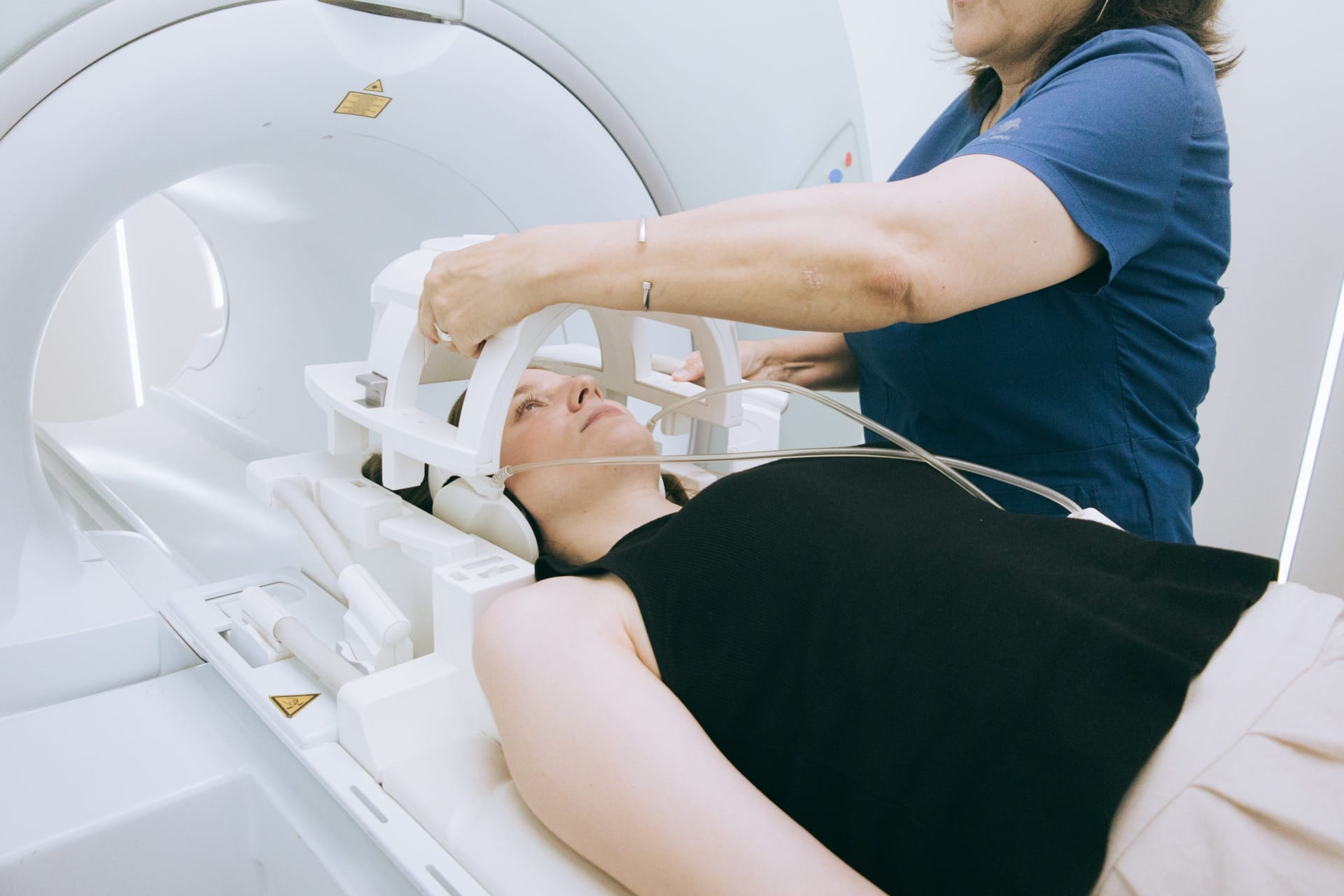
The Association of Private Medical Institutions of Ukraine has stated about possible risks for the availability of MRI and CT scans in case of adoption of legislative changes proposed by the Ministry of Health.
This is a draft law on amendments to Article 18 of the Fundamentals of Ukrainian Legislation on Healthcare in terms of the provision of instrumental diagnostic services.
The document provides for restrictions on the ability of private diagnostic centers operating on the territory of state and municipal medical institutions to receive payment directly from individuals and legal entities. It is assumed that such studies will be conducted under contracts with the relevant healthcare institution.
What the Ministry of Health proposes
As noted in the Association’s message, the Ministry of Health argues for the need for changes by protecting patients from possible double payment for medical services and the need to strengthen control over the appointment of diagnostic studies.
Representatives of private medicine, on the other hand, draw attention to the wording regarding the ban on receiving payment from legal entities and individuals.
In their opinion, it could potentially affect not only the payment for services directly by the patient, but also voluntary health insurance, corporate programs of employers, assistance from charitable and humanitarian organizations, clinical research and social programs.
Private medical institutions warn of a possible increase in queues
The Association notes that some state and municipal hospitals do not have their own modern equipment for MRI and CT scans. In such cases, diagnostics are provided, in particular, by private centers operating on the territory of hospitals.
Industry representatives fear that after changing the payment mechanism, the number of available examinations may decrease.
Among the potential consequences, they name an increase in queues for MRI and CT scans, a deterioration in the availability of diagnostics in small settlements, the need to contact centers in other cities and a limitation on the patient’s ability to independently choose the place of examination.
At the same time, this is currently the assessment of the Association of Private Medical Institutions regarding the possible consequences of the proposed changes.
Financing issues
Representatives of the private sector call financing the new model a separate problematic issue.
According to the data provided by the Association, the purchase of one MRI and one CT for a hospital can cost at least UAH 75–107 million, and together with the preparation of premises and subsequent maintenance, the costs can exceed UAH 100 million.
The Association estimated that if it is necessary to replace the private diagnostic infrastructure in at least 100 hospitals, the potential capital costs could amount to UAH 10 billion.
In addition, representatives of private medical institutions believe that the proposed model can actually concentrate orders for diagnostic services at the level of hospital management.
Which programs may be affected
According to the Association, legislative changes could potentially concern voluntary health insurance, corporate medical programs, charitable and humanitarian aid, payment for research by international organizations, clinical trials, as well as individual programs to support veterans and low-income citizens.
Representatives of private medicine call for a discussion of the draft law and an assessment of its possible impact on the availability of instrumental diagnostics.
On August 11, representatives of the Association of Private Medical Institutions, medical institutions, patient organizations and lawyers plan to hold a press conference dedicated to the proposed changes by the Ministry of Health.
Without an author