Putin gathers leaders of 48 African countries in Moscow: Kremlin seeks new allies amid war against Ukraine
/ 28 October 2026 08:18
4 min to read
Russia is trying to increase its influence on the African continent and demonstrate the failure of the Kremlin’s international isolation. At the same time, the upcoming summit may be accompanied by tense discussions over the recruitment of Africans to participate in the war against Ukraine.
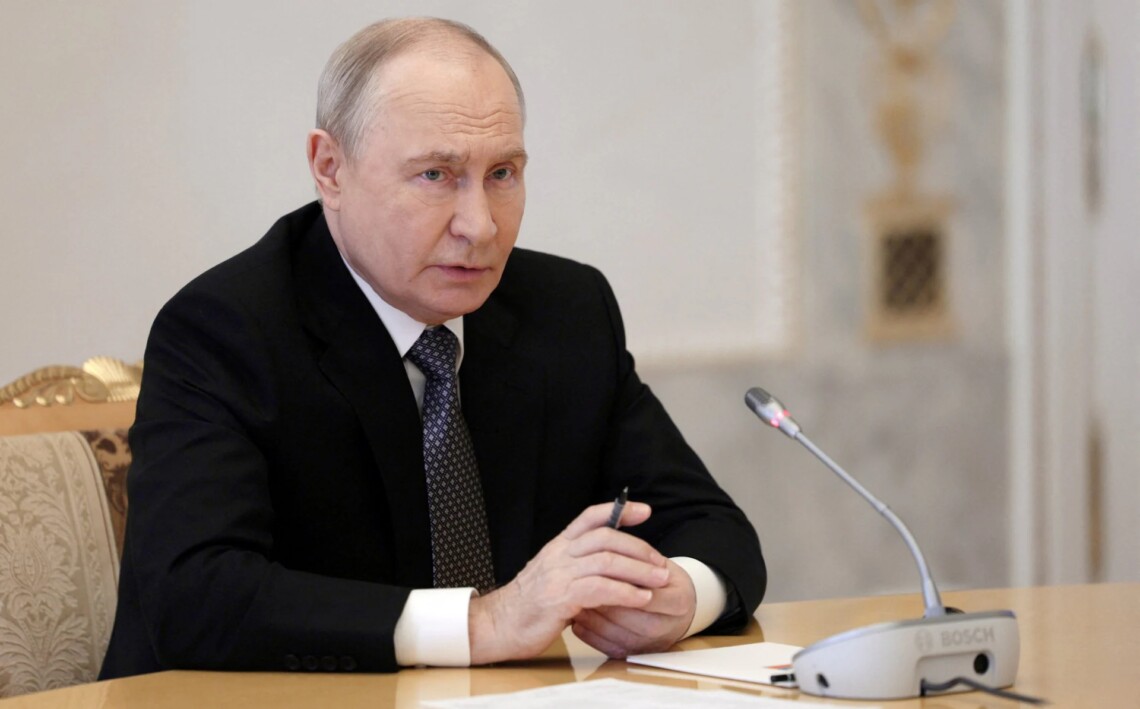
Russian President Vladimir Putin plans to hold a large-scale summit in Moscow with the participation of representatives of 48 African states. The meeting should be another attempt by the Kremlin to strengthen its international position against the backdrop of a full-scale war against Ukraine and Western sanctions.
This is reported by Bloomberg.
Representatives of 48 states will arrive in Moscow
The third Russia-Africa summit begins on October 28. According to Russian state media, delegations from 48 countries plan to take part in the event, with 22 of them being represented at the level of heads of state.
Among the expected participants:
Egyptian President Abdel Fattah al-Sisi;
Rwandan President Paul Kagame;
Kenyan President William Ruto;
Ethiopian Prime Minister Abiy Ahmed;
Burundian President Evariste Ndayishimiye, who chairs the African Union.
Putin plans to hold a series of bilateral talks, as well as address the summit’s plenary session on October 29.
According to the Kremlin, the participants are to adopt a joint declaration, a separate communiqué on the development of artificial intelligence, and sign a number of intergovernmental agreements.
The Kremlin is trying to demonstrate the failure of international isolation
After the start of a full-scale invasion of Ukraine in 2022, the African continent has acquired special strategic importance for Russian foreign policy.
Moscow seeks to expand economic, diplomatic and political ties with states that have not joined the Western sanctions policy.
As Bloomberg notes, the summit will be an opportunity for Putin to demonstrate that Russia continues to maintain international contacts, despite attempts by the West to limit its diplomatic influence.
At the same time, Moscow is trying to restore its positions in Africa, which have significantly weakened since the collapse of the Soviet Union.
Recruitment of Africans for the war against Ukraine may cause conflict
One of the most sensitive topics of the upcoming negotiations may be the involvement of citizens of African states in the Russian army.
According to Bloomberg, the governments of several African countries have already expressed dissatisfaction with attempts to recruit their citizens to participate in hostilities against Ukraine.
This issue could potentially complicate the negotiations and create additional tension between Moscow and individual African capitals.
Thus, despite the Kremlin’s desire to present the summit as a diplomatic success, the meeting may also demonstrate contradictions in Russia’s relations with African partners.
Russia is losing influence to China and the West in Africa
Despite the intensification of diplomatic contacts, Russia’s capabilities on the African continent remain limited compared to other global players.
Senior Research Fellow at the Carnegie Russia-Eurasia Center Alexander Baunov notes that African states are aware of the much stronger economic and political positions of China, Western countries, and India.
At the same time, cooperation with Moscow allows individual states to diversify international ties and strengthen their own negotiating positions.
For Russia, such contacts are primarily of geopolitical importance, as they allow it to seek new partners in the face of international pressure.
What does this mean for Ukraine
The intensification of Russian diplomacy in Africa is taking place against the backdrop of continued hostilities and the Kremlin’s attempts to strengthen international support for its own foreign policy.
For Ukraine, the development of diplomatic relations with African states remains important, particularly in matters of food security, international law, and support for territorial integrity.
The results of the Moscow summit may demonstrate how effective Russia’s attempts to expand the circle of international partners are and whether African countries are ready to deepen cooperation with the Kremlin despite the war against Ukraine.
Without an author