Russia may place nuclear weapons in space: NATO declares readiness to respond
/ 24 November 2026 11:30
2 min to read
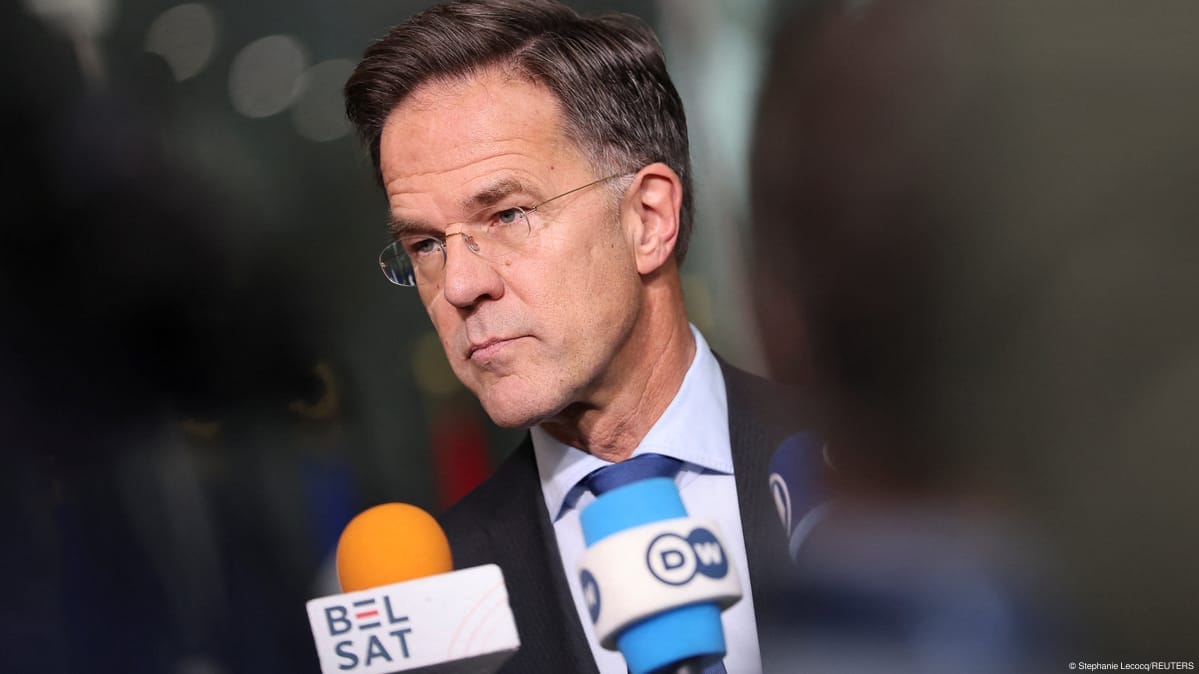
NATO Secretary General Mark Rutte said the alliance is ready to ensure security not only on the territory of its member states, but also in outer space. The statement came amid reports that Russia is preparing to launch a satellite with nuclear weapons.
This was reported by Reuters.
During a joint press conference with German Chancellor Friedrich Merz on November 23 in Berlin, Rutte stressed that NATO regularly reviews its defense capabilities and deterrence mechanisms in accordance with current threats.
Russia may launch a nuclear satellite by the end of the year
According to German media, Western intelligence services have warned allies about Russia’s possible preparations to deploy nuclear weapons in low-Earth orbit.
According to a journalistic investigation, the launch of the spacecraft could take place as early as December 2026.
The potential use of such weapons would pose a threat to satellite systems that depend on:
mobile and satellite communications;
navigation systems;
military intelligence;
emergency monitoring;
critical infrastructure operation.
At the same time, information about the launch preparation remains unconfirmed. The Russian embassy, in response to journalists’ inquiries, stated that it had no information about the relevant plans.
Does the placement of nuclear weapons in space violate international law
The placement of nuclear weapons in orbit around the Earth would contradict the provisions of the 1967 Outer Space Treaty, to which Russia is a party.
In particular, Article IV of the document prohibits states from:
putting objects carrying nuclear weapons or other weapons of mass destruction into Earth’s orbit;
installing such weapons on celestial bodies;
placing them in outer space in any other way.
If information about Russia’s placement of nuclear weapons in orbit is confirmed, it will not only be a threat to international security, but also a violation of international legal obligations.
Without an author