
Russia’s shadow fleet passes through British waters unhindered despite sanctions — BBC Verify
/ 12 May 2026 13:00
2 min to read
No Russian ship has been detained despite London’s promises of tough action
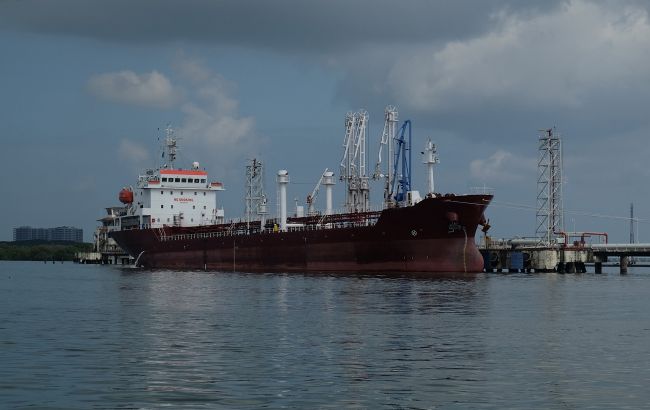
The Russian shadow fleet continues to actively use British sea lanes to export oil, despite sanctions and the UK government’s loud statements about its readiness to intercept such vessels. This is according to the BBC Verify investigation.
Journalists have established that no sanctioned Russian ship has been detained, although Prime Minister Keir Starmer stated in March that British forces were ready to board sanctioned ships in British waters.
More than 200 passages through British waters
According to analysts MarineTraffic, from March 25 to May 11, the following passed through British waters:
184 sanctioned ships;
238 voyages were recorded near the coast of Great Britain;
94 times the ships entered the country’s territorial waters directly.
Most of the routes passed through the English Channel.
The majority of the vessels were oil tankers, with 173. LNG tankers and other cargo ships were also spotted.
Russian ships are hiding their routes
As BBC Verify notes, Russian shadow fleet ships often turn off their AIS automatic identification systems to hide their location.
Signals have been particularly common in waters off Scotland and Ireland.
One of the sanctioned tankers, the Universal, was seen passing through the English Channel accompanied by the Russian frigate Admiral Grigorovich, satellite imagery shows.
Britain is constrained by international law
Lawyers explain that London has limited powers to seize foreign vessels.
“The position, with very few exceptions, is that you cannot seize vessels flying the flag of another country,” said lawyer James M. Turner.
Even if a ship is transporting sanctioned goods, it is difficult to detain it if it is formally flying the flag of another state.
Other countries are already tightening control
Against the backdrop of the activity of the Russian shadow fleet, some countries have already begun to take stricter measures.
In particular, France plans to increase fines and prison terms for the crews of ships that use false flags.
In the US, the Coast Guard detained the Olina tanker, which, according to American services, was transporting sanctioned Russian oil to China, India and Turkey.
At the same time, Estonia abandoned the practice of forcibly detaining Russian ships in the Baltic Sea due to the risk of a direct military conflict with the Russian Federation.
Without an author