
“The president is responsible, then the government”: Osadchuk on mobilization problems
/ 12 August 2026 18:01
4 min to read
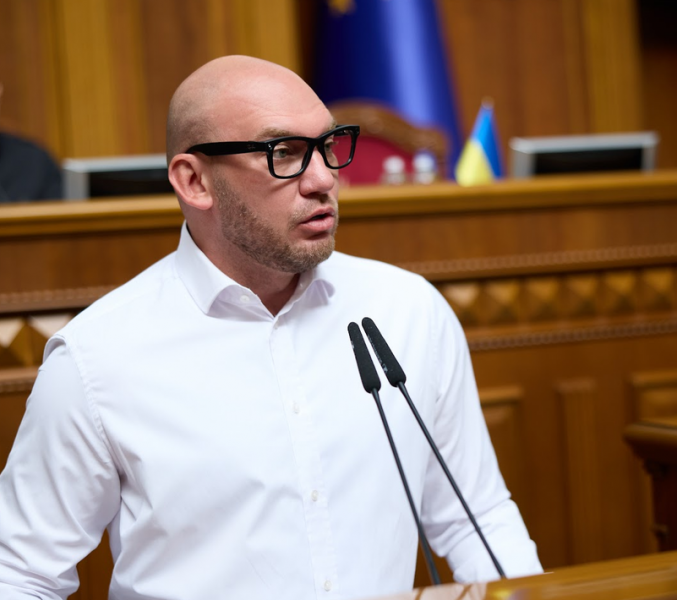
People’s Deputy of Ukraine, member of the Verkhovna Rada Committee on Law Enforcement Activities Andriy Osadchuk stated that the responsibility for organizing mobilization in Ukraine lies primarily with the President and the Cabinet of Ministers. At the same time, the parliament, according to him, must respond to possible violations of citizens’ rights and prevent pressure on the Ombudsman’s Office.
“These problems have been discussed for the last three years”
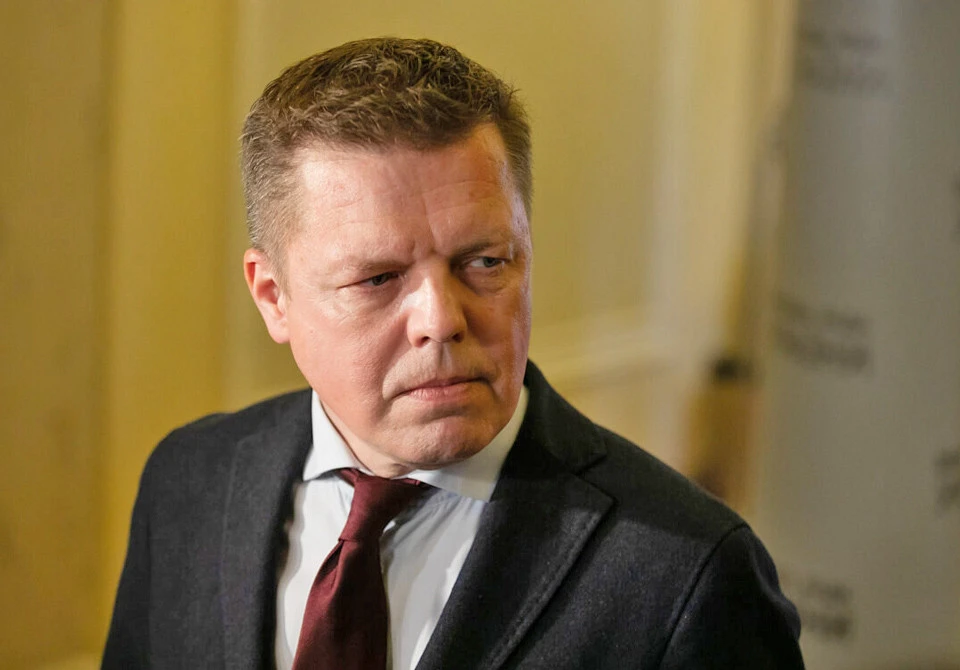
Commenting on the situation surrounding mobilization, Osadchuk drew attention to the repeated statements of the Verkhovna Rada Commissioner for Human Rights Dmytro Lubinets regarding violations of citizens’ rights.
According to the deputy, in recent years the Ombudsman has systematically raised the issue of observance of human rights and freedoms during mobilization events.
“Mr. Lubinets has been regularly stating for years about violations of human rights and freedoms during mobilization. He is actually the only head of state who systematically raises this topic,” Osadchuk noted.
The parliamentarian emphasized that the Verkhovna Rada Commissioner for Human Rights is one of the key instruments of parliamentary control over the observance of citizens’ constitutional rights.
The deputy drew attention to criminal cases against employees of the TCK
Osadchuk also recalled criminal proceedings against employees of territorial recruitment and social support centers.
According to him, numerous reports of suspicion indicate that problems in the field of mobilization did not arise suddenly.
“We are talking about dozens of suspicions against employees of the TCK. These problems have been discussed for the past three years. If law enforcement officers are massively reporting suspicions today, this means that the problem has existed for a long time,” the people’s deputy said.
Who is responsible for organizing mobilization
Separately, Osadchuk spoke about the responsibility of state authorities for organizing mobilization processes.
“According to the Law of Ukraine on Mobilization, the President of Ukraine bears full responsibility. Then the Cabinet of Ministers, which ensures the performance of all organizational functions,” the parliamentarian said.
At the same time, it is about the political and organizational assessment of the deputy. The issue of legal liability for a specific violation should be determined separately depending on the circumstances and actions of the relevant officials.
The Council is ready to deal with possible pressure on the Ombudsman’s Office
Osadchuk’s statement was also made against the background of Dmytro Lubinets’s announcement about the possible persecution of his representative in Transcarpathia.
The deputy noted that employees of the Ombudsman’s Office do not have a separate special procedural status, therefore criminal proceedings against them can be carried out in a general manner.
However, according to him, the question of principle remains whether the actions of law enforcement agencies are related to the professional activities of the Commissioner’s representatives and the recording of possible human rights violations.
“We will not allow any pressure to be exerted on the work of the Commissioner for Human Rights. If the information is confirmed, the parliament should investigate, hear the responsible officials and demand explanations,” Osadchuk said.
According to him, the relevant committee of the Verkhovna Rada is ready to study the circumstances of the situation in detail.
Martial law does not cancel the rights of citizens
Osadchuk emphasized that during martial law, the legislation does indeed allow for temporary restrictions on certain constitutional rights and freedoms.
However, according to him, the restriction of rights does not mean the possibility of their arbitrary violation.
When conducting mobilization measures, the state must act exclusively within the law, ensuring proper and dignified treatment of citizens.
That is why, according to the deputy, information about possible systemic violations by representatives of the CCC and possible pressure on the structures that record these violations requires a separate reaction from the Verkhovna Rada.
Without an author