The Rada is preparing a large-scale reform of the SBU: they want to deprive the special service of its powers in the economic sphere
/ 18 November 2026 16:58
4 min to read
The Verkhovna Rada has begun preparing a bill that provides for a deep reform of the Security Service of Ukraine. In particular, the SBU plans to permanently deprive it of its powers in the economic sphere and focus its activities on counterintelligence and ensuring national security.
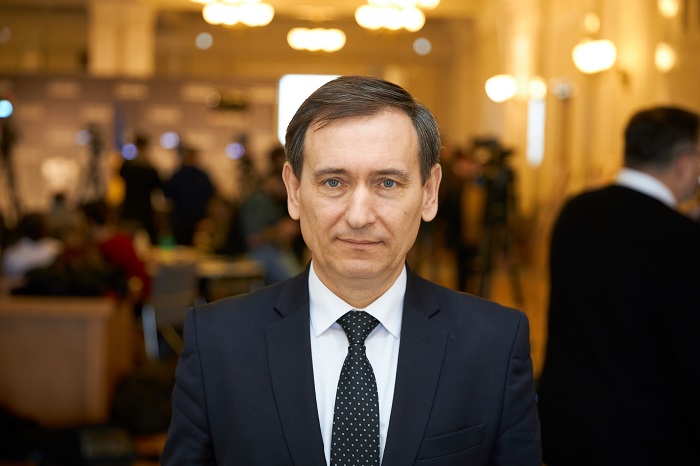
This was announced by People’s Deputy, member of the parliamentary committee on national security, defense and intelligence Fedir Venislavsky in an interview with RBC-Ukraine.
What does the SBU reform entail
According to Venislavsky, on November 10, at a closed meeting of the parliamentary committee, the acting head of the SBU Oleksandr Poklad reported on the situation in the agency, in particular, regarding employees who appear in the high-profile anti-corruption case “Carthage”.
Poklad confirmed that the relevant officials have been removed from their duties.
Following the meeting, the SBU leadership expressed support for a large-scale reform of the agency.
The main goal of the changes is to eliminate the possibility of involving the Security Service in economic processes and transform it into a specialized counterintelligence agency.
Currently, the parliamentary committee is working on summarizing the developed proposals, which should become the basis of the new bill.
After its adoption by the Verkhovna Rada, it will be possible to begin a full-fledged reform of the special service.
How the Carthage case influenced the preparation of the reform
One of the reasons for the intensification of the discussion of the reform was the corruption revelations within the Carthage case.
As a reminder, on November 4, the NABU and the SAPO reported on the exposure of an alleged scheme of providing illegal benefits to high-ranking officials of law enforcement agencies for facilitating the activities of fraudulent call centers and other illegal businesses.
According to the investigation, officials of the SBU, the National Police, the Prosecutor General’s Office and representatives of the criminal environment could have been involved in the scheme.
After the publication of information about the investigation, personnel decisions began in law enforcement agencies.
In particular, the leadership of the National Police suspended certain employees from performing their duties during the internal investigation, and the interim head of the SBU, Oleksandr Poklad, dismissed two high-ranking officials of the agency.
According to Venislavsky, the reform should create mechanisms that will prevent similar corruption risks in the future.
Will the declarations of SBU employees be opened
A separate issue remains financial control over special services employees.
Earlier, President Volodymyr Zelensky sent to the Verkhovna Rada a bill on the return of mandatory declarations for all SBU employees and called on the parliament to urgently consider it.
At the same time, Venislavsky is against the full disclosure of the declarations of special services employees.
In his opinion, the publication of such information could create additional risks for national security, since information about SBU employees could potentially be used by the enemy.
Instead, the MP proposes to introduce a protected system of access to declarations.
In particular, employees of the National Agency for the Prevention of Corruption should be able to check the income, property status and lifestyle of SBU employees without publishing relevant information to the general public.
According to the parliamentarian, this approach is also supported by the relevant committee of the Verkhovna Rada.
When can the law be adopted
Currently, the draft law on the comprehensive reform of the SBU is in the preparation stage.
The parliamentary committee is working on preliminary legislative developments regarding the legal status of the special service and the mechanisms for its reform.
Specific deadlines for submitting the document to the Verkhovna Rada and its consideration have not yet been announced.
It is expected that future changes should strengthen the counterintelligence functions of the SBU, reduce corruption risks and ensure more effective control over the activities of its employees in compliance with state security requirements.
Without an author