
Zelensky did not sign the law on taxes for Glovo, Uklon, Bolt and Uber: what was the reason?
/ 27 August 2026 12:40

3 min to read
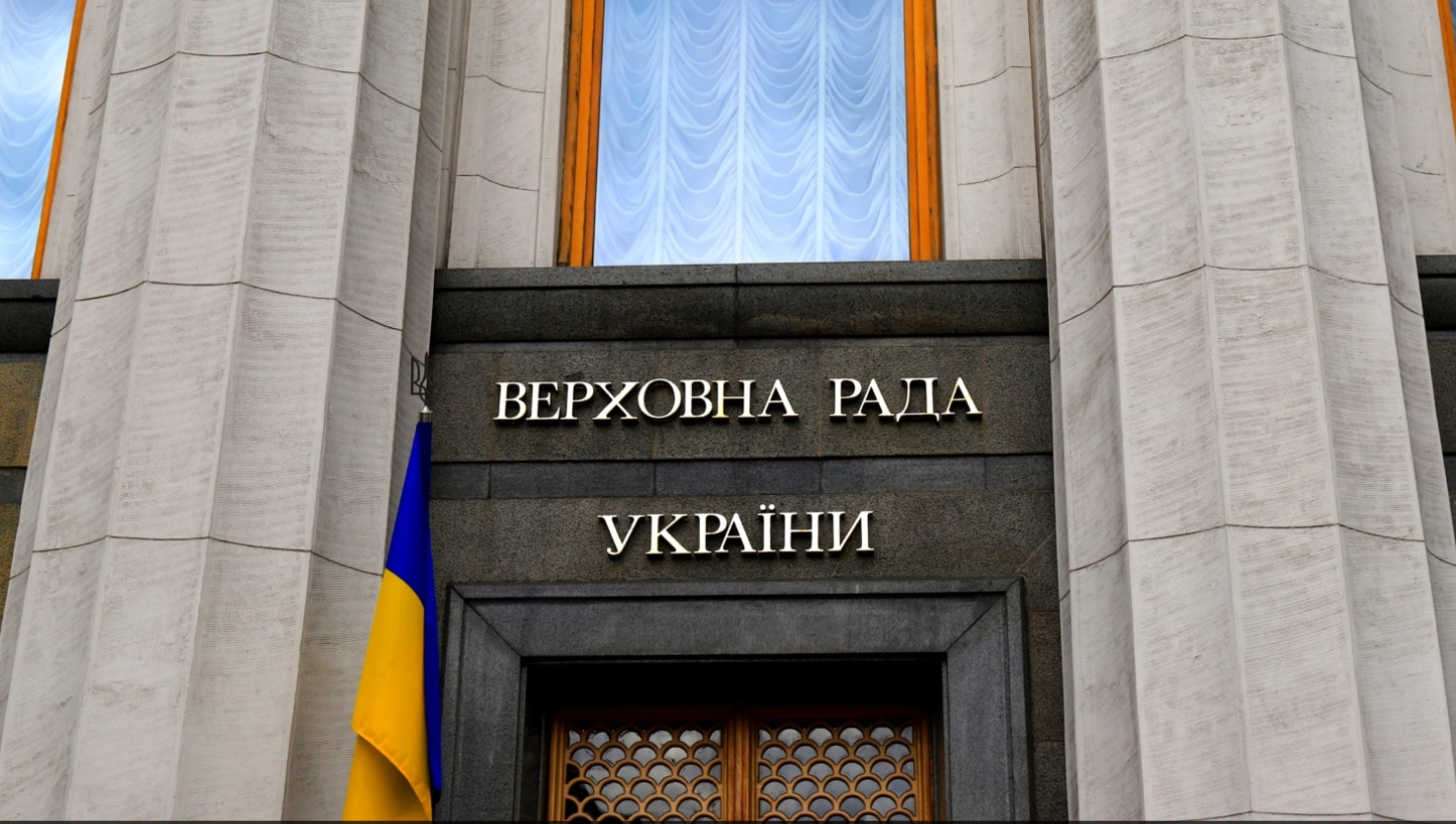
President of Ukraine Volodymyr Zelensky has not yet signed the law adopted by the Verkhovna Rada on taxation of citizens’ incomes received through digital platforms. The reason was the amendment on financial monitoring of politically exposed persons (PEP), which caused reservations from Ukraine’s European partners.
This was announced by Finance Minister Serhiy Marchenko during a meeting of the parliamentary committee on finance, tax and customs policy.
This is a law that establishes new rules for taxation of income received through online services such as Glovo, Uklon, Bolt, Uber and other digital platforms.
What is PEP here for
The problem arose due to an amendment made by people’s deputies during consideration of the draft law.
It concerns financial monitoring of politically exposed persons — PEP.
According to the approved version, after the dismissal of such a person, enhanced financial monitoring will automatically apply for 12 months.
After this period, the bank will be able to continue enhanced control only if there is a justified and documented high or unacceptably high risk.
In addition, the deputies expanded the list of PEPs to include heads and members of the boards of state-owned banks.
The EU saw the risks
According to Serhiy Marchenko, the adopted changes caused a negative reaction from Ukraine’s European partners.
The minister warned that signing the law in its current version could create risks for Ukraine’s receipt of financial assistance from the European Union.
The Ukrainian side has already agreed with European partners on a revised version of the legislative changes regarding PEPs.
Now they must be supported by the Verkhovna Rada. After that, the signing of the law on taxation of income from digital platforms may be unblocked.
How they plan to tax income through online platforms
The Verkhovna Rada finally adopted the relevant bill on June 9, 2026.
The new rules stipulate that digital platforms will act as tax agents and will automatically withhold taxes from users’ income.
A reduced tax rate of 10% is provided for in certain cases specified by law.
At the same time, sales of up to 2,000 euros per year should not be taxed.
A fully-fledged new system of taxation of citizens’ income through digital platforms should come into effect in 2027.
However, the final entry into force of the law currently depends on the resolution of the issue of financial monitoring of PEPs and a subsequent decision by the president.
Without an author