
An error in the work record does not deprive you of the right to a preferential pension: how to confirm your length of service
/ 28 August 2026 11:20
4 min to read
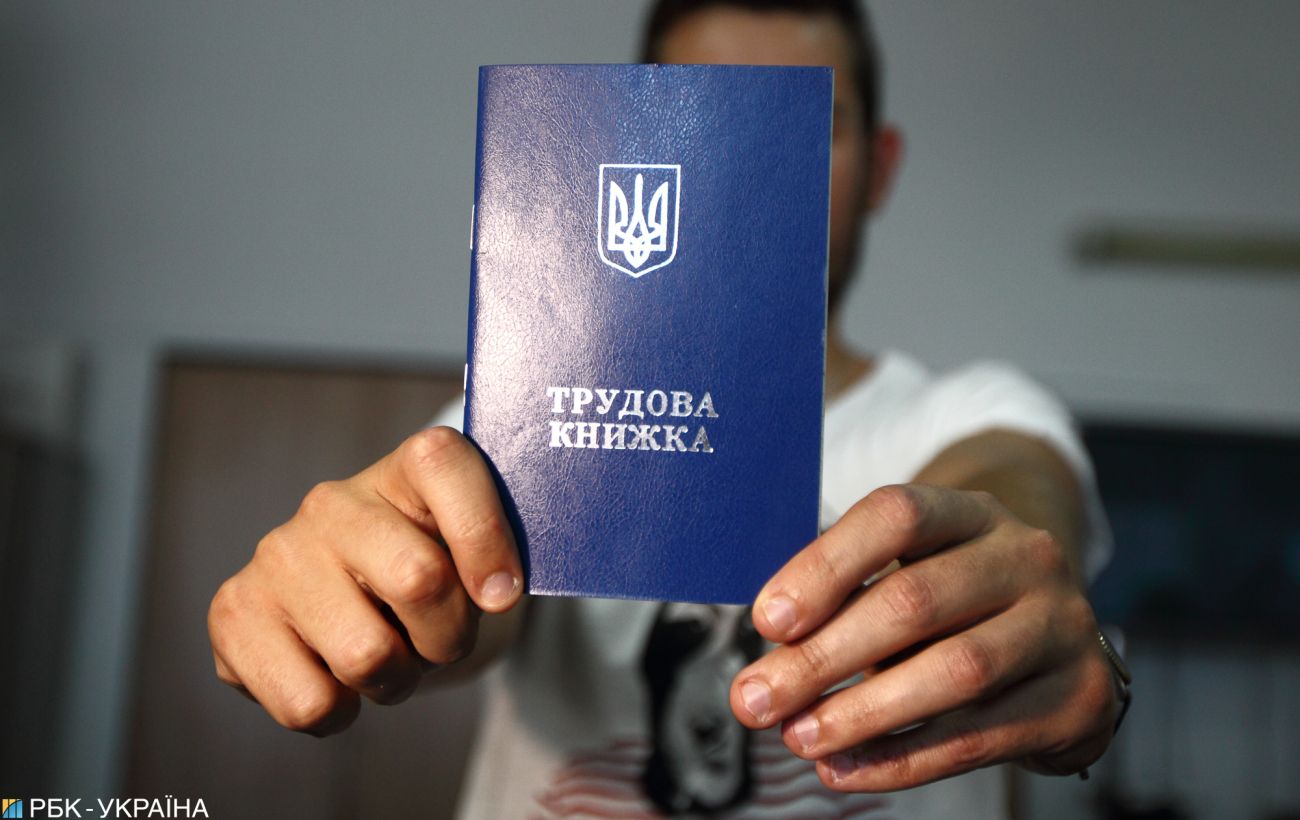
Inaccuracy in the work book or the absence of individual entries does not mean the loss of the right to a preferential pension. If a person actually worked in a position or performed work that gives the right to special seniority, this can be confirmed by other documents, and in some cases, even by witness statements.
This was told by Alyona Chmona, a pension recalculation lawyer at the Law Firm “Prykhodko and Partners”.
Why the Pension Fund may not count the seniority
Problems often arise due to errors or incomplete entries in the work book. In particular, the Pension Fund may not take into account a certain period of work if the title of the position does not match the title in the relevant List, there is no entry about the certification of the workplace, there is no order number, there is an inaccuracy in the date, the name of the enterprise is incorrectly indicated, or the entry itself is made with violations.
At the same time, the lawyer emphasizes: an error in the document and the lack of the right to preferential seniority are different things.
If a person has actually performed work that entitles him to a preferential pension, this fact can be confirmed not only by the work book.
A clarifying certificate can confirm the preferential length of service
If the work book lacks information that determines the person’s right to a preferential pension, the special length of service can be confirmed by a clarifying certificate of the enterprise, institution, organization or their legal successor.
Such a mechanism is provided for by paragraph 20 of the Procedure approved by the Resolution of the Cabinet of Ministers of Ukraine No. 637 of August 12, 1993.
The certificate must indicate the periods of work that are included in the special length of service, the profession or position, the nature of the work performed, the relevant section or item of the List, as well as the primary documents on the basis of which it was issued.
That is, such a certificate must not only confirm the fact of work at the enterprise, but also show why a specific period should be included in the preferential length of service.
An OK-5 certificate can help
Another piece of evidence in disputes with the Pension Fund can be an OK-5 certificate.
It is formed on the basis of personalized accounting data submitted by the employer. It is the employer who indicates the special seniority codes in the reporting, which confirm the employee’s right to preferential pension benefits.
This information is entered into the Register of Insured Persons and is subsequently reflected in the OK-5 certificate.
The enterprise is liquidated: what then
The situation is more complicated when the enterprise has already been liquidated, and the necessary documents have not been preserved.
However, the liquidation of the employer itself does not mean that a person automatically loses the right to take into account the relevant period of work when assigning a pension.
For such cases, a separate procedure for confirming seniority applies, approved by the resolution of the Board of the Pension Fund of Ukraine No. 18-1 dated November 10, 2006.
If documents on seniority are missing due to the liquidation of the enterprise or for other reasons, seniority in cases specified by law may be confirmed by witness statements.
Refusal of the PFU is not the end
Thus, an error in the work book in itself does not deprive a person of the right to a preferential pension.
If the Pension Fund has not credited a certain period of work, it is worth checking the possibility of obtaining a clarifying certificate, OK-5 data, information from personalized accounting and other documents.
And if the enterprise is liquidated, it is necessary to find out whether seniority can be confirmed by other evidence provided for by law.
Without an author