
“Associated membership” instead of accession: what the German Chancellor offers Ukraine and why it has caused criticism
/ 22 May 2026 11:00
3 min to read
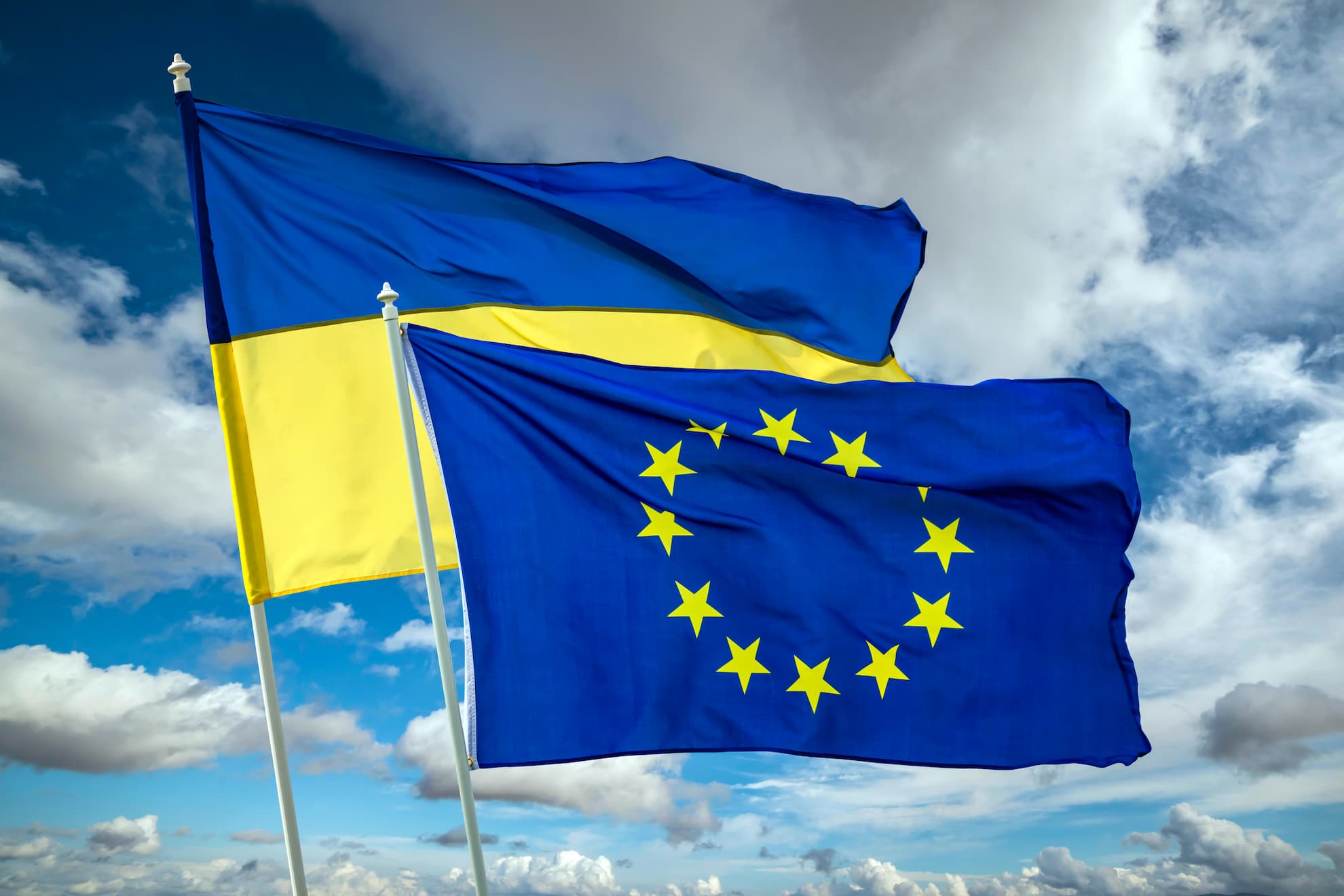
German Chancellor Friedrich Merz has proposed a new format for Ukraine’s relations with the European Union – the so-called “associated membership”. The head of the German government sent a corresponding letter to the President of the European Commission Ursula von der Leyen, the President of the European Council Antonio Costa and the representative of the Cypriot presidency in the EU Nikos Christodoulides.
Berlin emphasizes that this idea is not an alternative to Ukraine’s full membership in the EU, but only a “supplement” to it. However, critics of the initiative believe that in practice the proposed mechanism may preserve Ukraine in the status of a candidate state without real rights and influence for a long time.
According to the editor of “European Pravda” Serhiy Sydorenko, the model proposed by Germany provides for Ukraine’s participation in EU summits and meetings of the Council of Ministers only in the status of an observer – without the right to vote. A similar approach is proposed for other institutions of the European Union.
In particular, Ukraine could get its own European Commissioner, but without real powers and even without a separate political portfolio. Members of the European Parliament would also be allowed to be elected, but without the right to vote, which effectively eliminates their influence.
Limited functions are also envisaged for Ukraine’s representation in the Court of Justice of the EU and other EU bodies.
The issue of financing is a particular criticism. Despite partial integration, Ukraine is not planned to be included in the full-fledged EU financial system and macro-financial framework, as is envisaged for member states. Instead, Kyiv would continue to receive assistance through separate programs and projects.
The only area where Berlin is proposing full-fledged integration right now is security. Germany is ready to involve Ukraine in the EU’s mechanisms of mutual security guarantees, including Article 47.2, which is called the European analogue of Article 5 of NATO.
At the same time, experts draw attention to the fact that the proposed format does not have clear legal guarantees and may be canceled with a change in political leadership in the EU or Germany.
Another consequence may be the rupture of the current “connection” between Ukraine and Moldova in the process of European integration. While a separate special status is proposed for Kyiv, Berlin supports an accelerated path to full membership for Moldova and the Western Balkan countries.
Despite criticism, the very fact that Europe is searching for new formats for Ukraine’s integration indicates a growing awareness of the importance of Ukrainian membership for the future of the EU. However, the question of the conditions for this accession may become one of the most difficult in the coming years.
Without an author