Conversation with Putin caused division in Europe: Politico revealed details of negotiations between the leaders of Finland and Norway
/ 9 November 2026 15:36
4 min to read
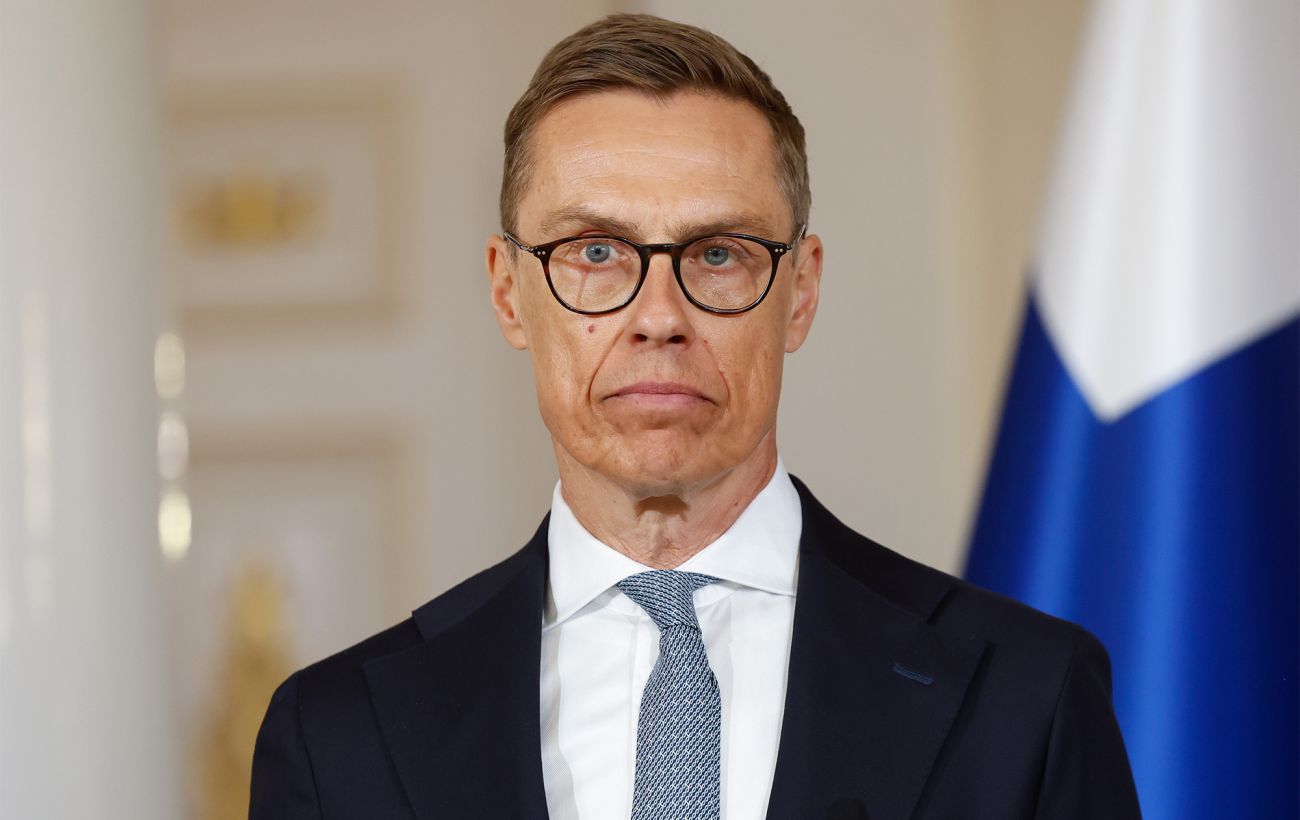
A phone call between Finnish President Alexander Stubb and Norwegian Prime Minister Jonas Gaar Støre and Russian dictator Vladimir Putin has caused serious disagreements among Ukraine’s European allies. Some politicians supported the resumption of direct contacts with the Kremlin, while others criticized the initiative, fearing that it would weaken Europe’s common position.
Why did European leaders call Putin
The conversation took place on October 27. According to Politico, Stubb and Støre had been discussing the possibility of direct contact with the Russian president for several months.
One of the main reasons was the desire to influence the diplomatic process ahead of the planned talks in Abu Dhabi.
In addition, the Scandinavian leaders sought to support Ukrainian President Volodymyr Zelenskyy amid the aggravation of relations between Kyiv and Washington.
According to the publication, the initiative was previously agreed with Zelenskyy.
European politicians also wanted to demonstrate that the United States should not remain the only Western mediator in contacts with the Kremlin.
They wanted to assess Putin’s psychological state
According to Politico sources, one of the goals of the telephone conversation was to find out the psychological state of the Russian president and his readiness for negotiations.
According to the Norwegian Prime Minister, during the conversation, Putin expressed his arguments consistently.
Støre noted that the Russian leader took the possibility of negotiations in Abu Dhabi seriously. At the same time, the conversation did not convince the Norwegian Prime Minister of the Kremlin’s readiness to conclude a peace agreement.
Therefore, representatives of Norway and Finland do not expect a significant diplomatic breakthrough in the near future.
What position did Ukraine convey to the Kremlin
During the conversation, the Scandinavian leaders voiced the position of Ukrainian President Volodymyr Zelensky.
In particular, it was said that territorial issues can be discussed exclusively at the level of state leaders during a personal meeting.
Before such negotiations begin, Russia must take steps to de-escalate.
Stubb and Støre also raised the issue of the security of the Baltic Sea and the need to ensure freedom of navigation.
According to Politico, the telephone conversation lasted about 90 minutes.
Why the negotiations caused controversy in Europe
The initiative of Finland and Norway has caused criticism from a number of European states.
In particular, Danish Prime Minister Mette Frederiksen expressed doubts about the advisability of such contacts with the Kremlin.
She emphasized that European countries should maintain unity and not act separately.
Swedish Prime Minister Ulf Kristersson said that achieving peace should be based on force, not on a policy of appeasement.
Lithuania also expressed a critical position on the phone call.
At the same time, other European officials believe that direct contacts with Russia should not remain exclusively in the hands of the American administration.
In their opinion, Europe should independently represent its own interests and Ukraine’s position during diplomatic negotiations.
Mistrust of the United States is growing in Europe
Politico notes that the discussion around the phone call has demonstrated broader disagreements between European states regarding approaches to ending the war.
According to the publication’s interlocutors, some European officials doubt that Washington will fully take into account the interests of Ukraine and Europe during negotiations with Russia.
At the same time, there is no unified position among the allies on whether direct contacts with Putin contribute to the approach of peace.
What will happen next
Negotiations between representatives of Ukraine, Russia and the United States are scheduled for November 10-11 in Abu Dhabi.
In addition, European leaders are scheduled to discuss the diplomatic situation on November 13 during an informal summit in Dublin.
According to Politico, reaching a common position may be difficult due to differences between European states.
The main question remains whether Europe is able to develop an independent diplomatic strategy towards Russia and ensure proper representation of Ukraine’s interests in future peace talks.
Without an author