Could Kyiv be left without heat and transport? What did Oleksandr Sergienko say?
5 min to read
Is Kyiv ready for the most difficult winter, what will happen to heating, water and electricity in the event of massive Russian attacks and how realistic is the scenario of transport isolation of the left and right banks of the capital?
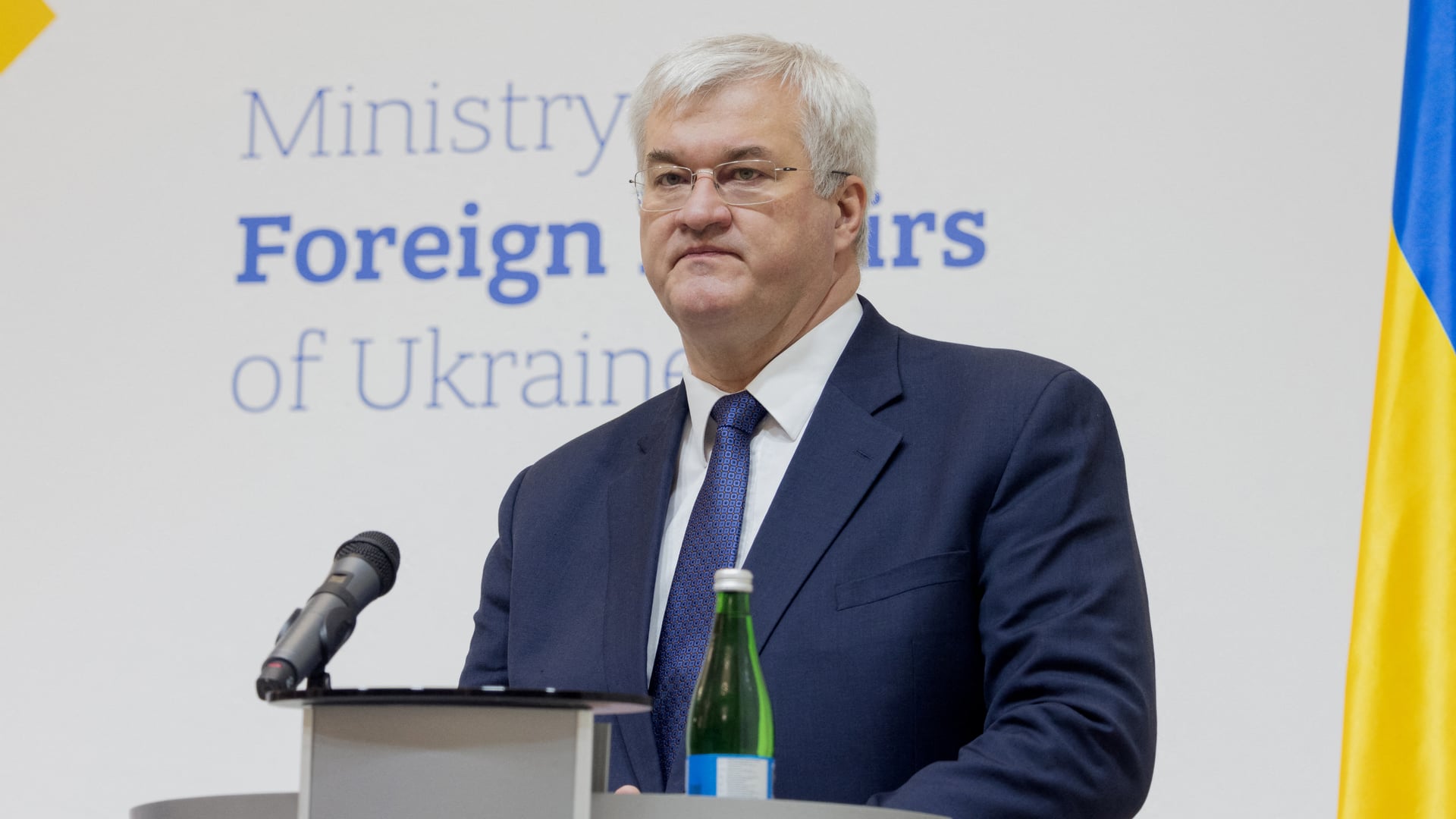
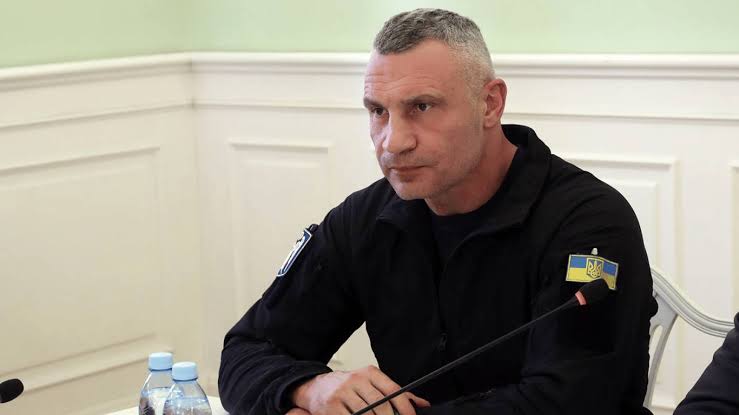
Housing and communal services expert Oleksandr Sergiyenko spoke about the main risks for Kyiv residents, the vulnerability of critical infrastructure and the possible consequences of attacks on bridges in an exclusive commentary for Femida.ua.
Is Kyiv ready for winter: the main threat is not frost
According to the expert, it is extremely difficult to assess the real readiness of the capital for the winter period. The reason lies not so much in weather conditions as in the unpredictability of Russian attacks on energy infrastructure.
“I think that no one knows the answer to this question, because resisting the cold is one thing, and resisting enemy strikes is quite another. If there were no missile and drone attacks, then Kyiv would be completely ready. But it is clear that the enemy will interfere in this situation,” Oleksandr Sergiyenko emphasized.
At the same time, the situation with heat supply in different areas of the capital is significantly different.
The left bank of Kyiv is under greater threat: why the situation with heating is different
As the expert explained, the right bank part of the capital has a more stable heat supply system thanks to an extensive network of thermal power plants.
According to him, about 155 thermal power plants of various capacities operate in Kyiv, which provide heat to a significant part of the city.
In contrast, some areas of the left bank are much more dependent on large thermal power plants.
“The left bank, where the supply comes from the Darnytsia CHPP and CHPP-6, is more vulnerable to enemy strikes, because heat generation is concentrated at these two CHPPs,” Sergiyenko explained.
Thus, in the event of damage to large energy facilities, it is part of the left-bank districts that may face a more difficult situation in terms of restoring heat supply.
The expert paid special attention to the creation of backup energy sources.
According to him, a backup system has already been formed on the right bank, while on the left bank the implementation of relevant projects is proceeding more slowly.
Sergienko claims that the State Agency for Infrastructure Restoration and Development has delayed the construction of about five cogeneration plants.
“The government promises that they will be put into operation by the New Year. But I repeat: these are backup plants. They should provide critical infrastructure with electricity and partly with thermal energy,” the expert noted.
Will Kyiv residents be left without water: what is known about backup generators
Despite the threat of long-term power outages, the capital’s water supply system, according to Sergienko, has a certain margin of stability.
The expert reported that over 100 pumping stations of Kyivvodokanal were equipped with backup generators last winter.
Their capacity, according to him, is sufficient to maintain minimum pressure in the water supply system.
However, a problem may arise with the water supply to the upper floors of multi-story buildings.
“The Restoration Agency had more powerful generators in warehouses that could deliver water to floors above the tenth. But they lay in warehouses for almost the entire summer,” Sergienko said.
He also criticized the situation with financing backup equipment.
According to the expert, the city authorities transferred about 1.25 billion hryvnias for relevant needs, but the funds were not used for their intended purpose and were later returned to the budget.
At the same time, Sergienko announced a promise to transfer about ten powerful generators to Kyivvodokanal.
Can Kyiv be left without a sewer system and face an ecological disaster?
Another scenario that is causing concern among residents of the capital is the possible shutdown of the sewer system due to large-scale power outages.
However, Sergienko believes that the risks of complete collapse are exaggerated.
According to him, there are 32 sewage pumping stations in the capital, equipped with backup generators.
In addition, in the event of a shutdown of a separate part of the sewer system, water supply to the relevant areas may be limited to prevent overflowing of the networks.
“If a part of the sewer system suddenly stops working, Kyivvodokanal also turns off the water supply there. Therefore, the sewer system cannot overflow,” the expert explained.
Separately, he commented on concerns about the possible shutdown of the Bortnytsky aeration station.
According to Sergienko, its structure and autonomous power supply of individual units allow reducing the risks of complete shutdown.
He also expressed his belief that even in an extreme scenario, a large-scale ecological disaster can be avoided.
At the same time, it is worth noting that the assessment of the environmental consequences of the possible discharge of untreated wastewater into the Dnieper requires a separate professional analysis. The expert’s statements do not mean that there are no risks to the environment.
Will Kyiv be divided into two banks? How real is the threat of strikes on bridges
One of the most pressing issues remains the possibility of disruption of transport connections between the left and right
Without an author