
In Poland, they want to put drunk drivers in prison: they plan to significantly increase the punishment
/ 14 August 2026 16:47
3 min to read
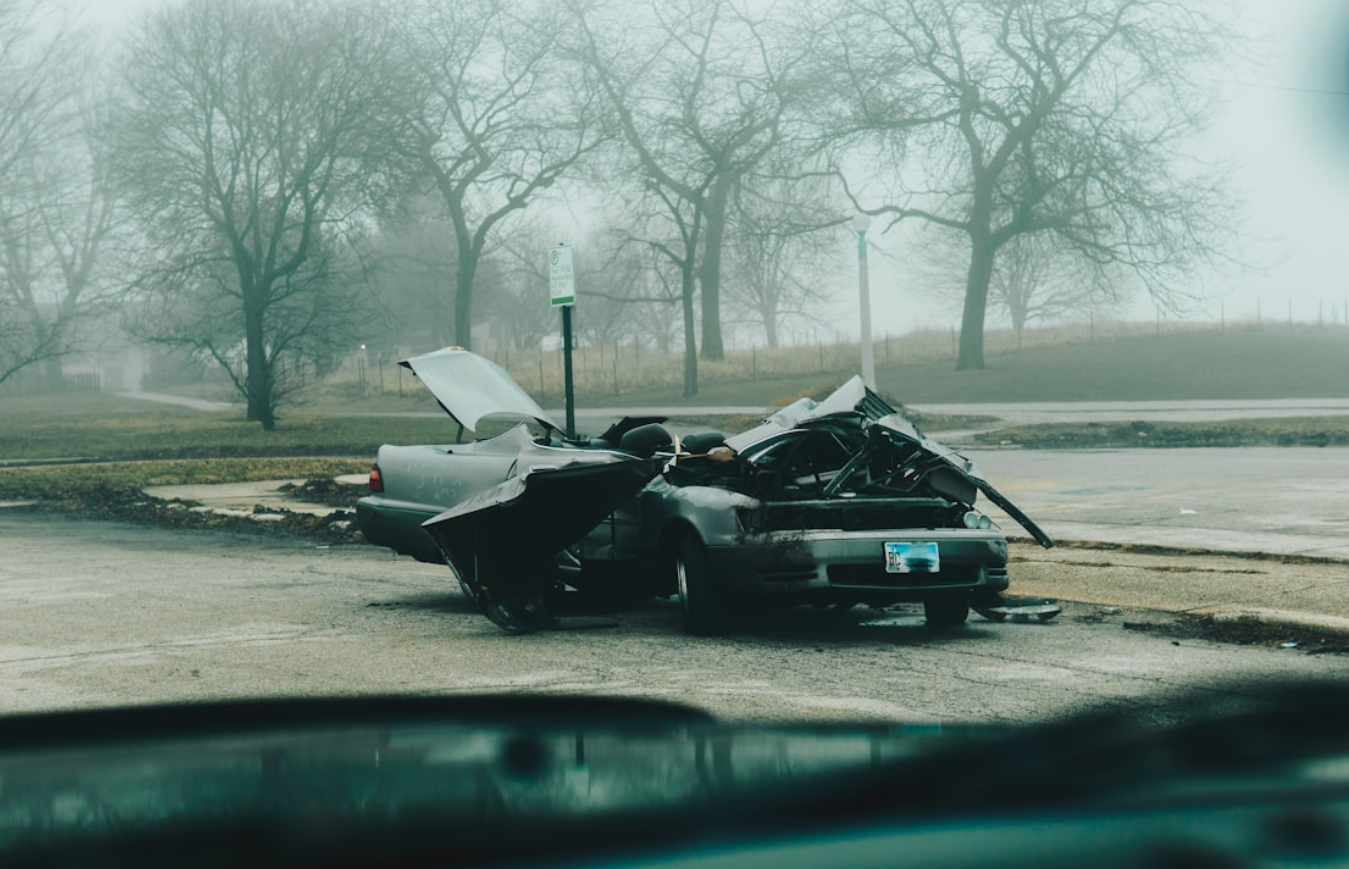
Poland is preparing a significant increase in liability for driving under the influence of alcohol or drugs. For certain categories of offenders, they want to make actual imprisonment mandatory, significantly narrowing the courts’ ability to impose milder punishments.
The Polish Ministry of Justice is preparing the appropriate changes. Special attention is planned to be paid to drivers who repeatedly violate the law or drive despite a current court ban.
The document is currently under development and discussion, so the final provisions may still change.
Prison will no longer be replaced by a fine
One of the key innovations should be the mandatory actual imprisonment for drivers who drive under the influence of alcohol or drugs, despite a previously established court ban.
The current rules leave the court more opportunities to determine the individual punishment. Depending on the circumstances of the case, a prison sentence may in certain cases be replaced by a fine, community service or other milder punishment.
The proposed changes should significantly limit this practice.
In particular, it is planned to:
introduce mandatory real imprisonment for drunk drivers who have violated a court ban on driving;
abolish the possibility of conditional release from serving a prison sentence for such violators;
prohibit the conditional closure of relevant criminal proceedings;
maximally limit the possibility of replacing imprisonment with a fine or community service.
Strict rules may apply from 0.5 ppm
The proposed tightening may affect not only systematic violators.
According to the plans of the Polish Ministry of Justice, restrictions on the application of conditional punishment may apply already at an alcohol level of 0.5 ppm.
Thus, the new rules could potentially apply to drivers who have been held accountable for the first time and whose alcohol level only slightly exceeded the established limit.
Lawyers criticize excessive severity
The proposed changes have already sparked a debate among Polish lawyers and experts.
Critics of the reform point out that the almost automatic imposition of real imprisonment may significantly limit judges’ ability to take into account the specific circumstances of each case.
This includes, in particular, the degree of intoxication, the driver’s previous behavior, the presence or absence of previous violations and other factors that may affect the assessment of the severity of the offense.
Supporters of a stricter approach seek to eliminate situations where drivers continue to drive even after a court ban.
So far, this is only a legislative initiative
It is important that the new rules have not yet entered into force.
The draft law is currently under preparation and discussion in Poland, so some of its provisions may be revised before final adoption.
If the proposed approach is maintained, Poland could significantly increase criminal liability for drunk driving, especially for repeat offenders and those who ignore a court ban on driving.
Without an author