

Personnel changes in US diplomacy: Julie Davis ends mission in Ukraine
/ 29 April 2026 11:00
2 min to read
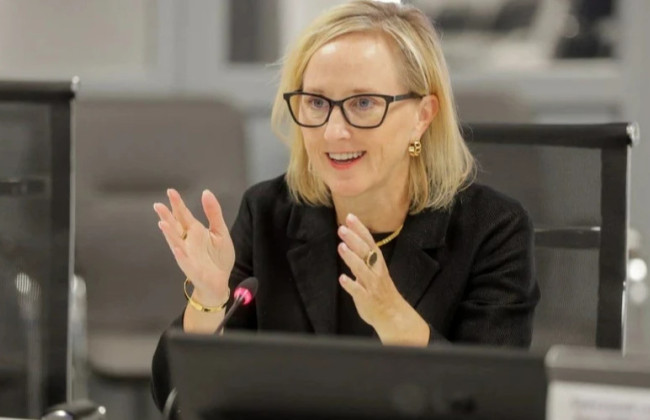
The US Charge d’Affaires ad interim in Ukraine, Julie Davis, will leave her post in Kyiv in the coming weeks, ending a long career in public service. This is reported by international media outlets citing diplomatic sources.
Davis has served as the head of the US diplomatic mission in Ukraine since May 2025. Her appointment came at a difficult time for bilateral relations, when security, military support, and political coordination remained key issues in cooperation between Kyiv and Washington.
Reasons for resignation: various versions
According to the Financial Times, the diplomat’s decision could have been due to differences with President Donald Trump regarding approaches to policy towards Ukraine. In particular, the publication’s sources claim that Davis was disappointed with the changes in the vector of support for Ukraine and announced her intention to end her career.
At the same time, the US State Department officially denies the political overtones of the resignation. Department spokesman Tommy Pigott said Davis is leaving after more than 30 years of service, underscoring her consistent support for the administration’s diplomatic efforts to achieve peace between Ukraine and Russia.
According to him, the diplomat will complete her work in Kyiv in June 2026.
Experience and diplomatic legacy
Prior to her appointment to Ukraine, Julie Davis served as the US ambassador to Cyprus, where she established herself as an experienced diplomat with a deep understanding of regional security and international relations.
Her more than thirty-year career covers key areas of US foreign policy, and her work in Ukraine coincided with one of the most difficult periods in modern European history.
Significance for the legal and political context
A change in the leadership of the US diplomatic mission in Ukraine can have both symbolic and practical significance. In the context of international law and diplomacy, such personnel decisions often reflect broader political processes and transformations in the foreign policy of states.
At the same time, Washington’s official position emphasizes the stability of the course and the institutional nature of the diplomatic service, regardless of personnel changes.
Without an author