
Putin again spoke about the “truce”: are there reasons to trust the Kremlin’s statements?
/ 30 April 2026 08:00
2 min to read
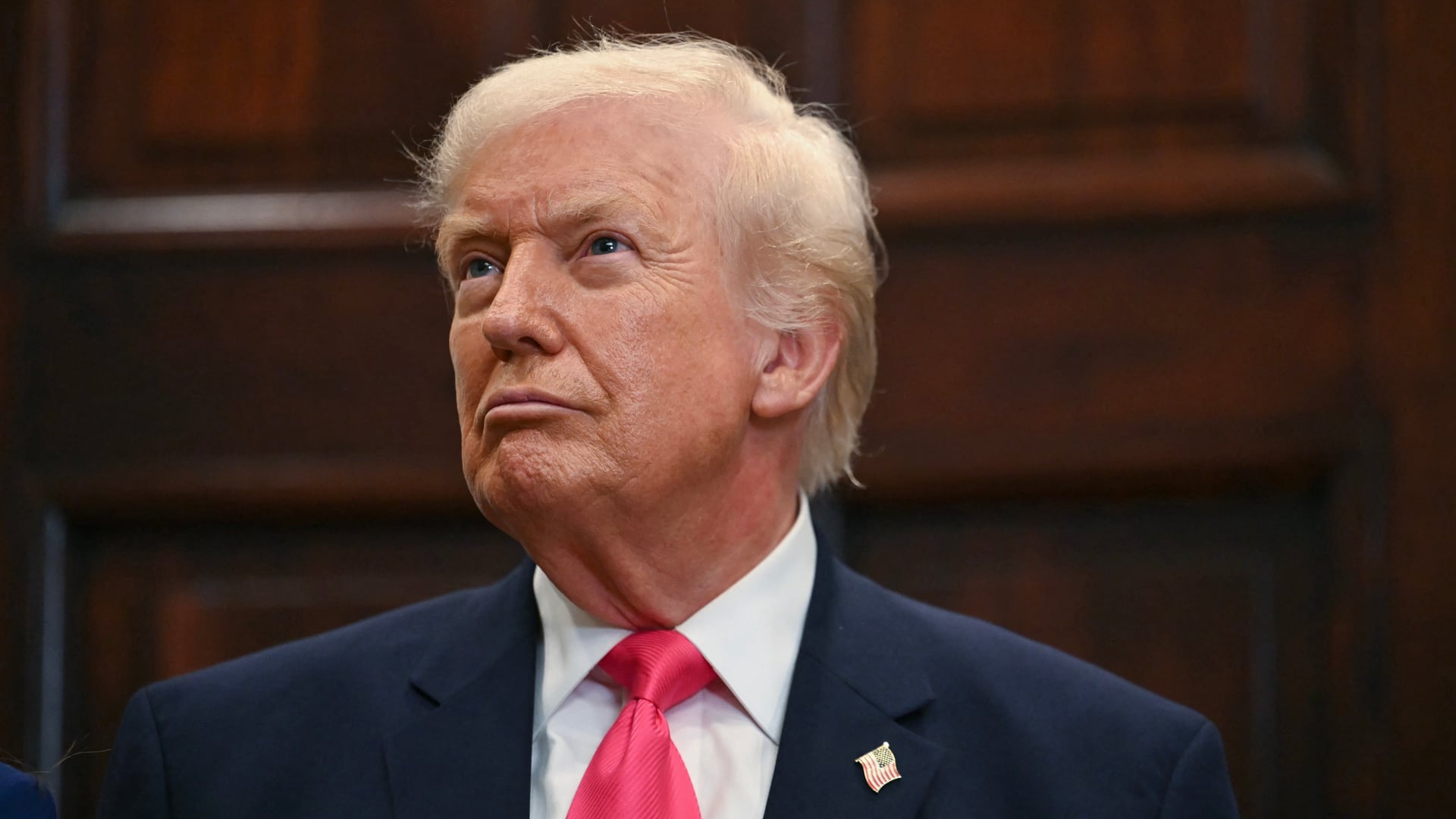
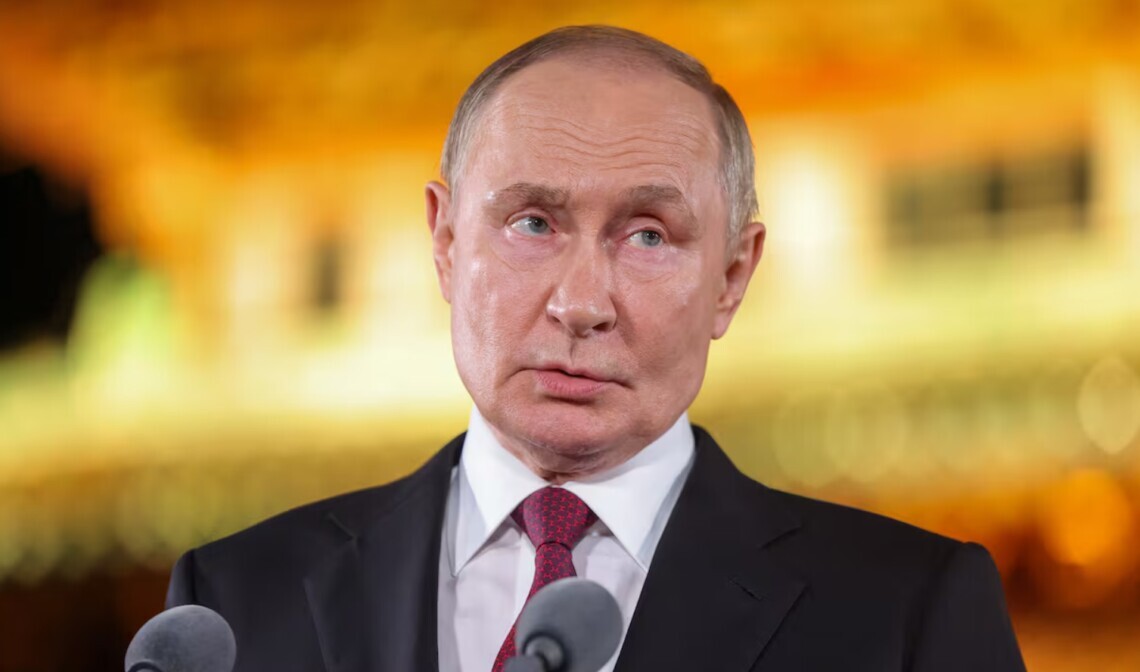
Russian President Vladimir Putin has announced his alleged readiness to declare a temporary ceasefire until May 9. This was announced by his assistant Yuri Ushakov following a telephone conversation with US President Donald Trump, which, according to him, lasted about an hour and a half.
According to the Russian side, during the negotiations, Putin expressed his readiness to cease hostilities during the celebration of the so-called “Victory Day” and at the same time declared his intention to achieve the goals of the war “through negotiations”. He also traditionally accused Ukraine of attacks on civilian objects on Russian territory.
At the same time, similar statements by the Kremlin have been made repeatedly before and have not been confirmed in practice. In particular, in May last year, Russia declared a “truce” for several days, but hostilities along the entire front line did not stop. A similar situation was observed during the so-called “Easter truce” in April of this year, when, despite official statements, shelling and combat clashes continued.
The General Staff of the Armed Forces of Ukraine has repeatedly reported numerous violations of such “silence regimes” by Russian troops, which casts doubt on the Kremlin’s real intentions regarding de-escalation.
Thus, another statement about a possible truce is perceived more as a political signal or information tool than as confirmation of readiness for a real ceasefire. The practice of previous “truces” shows that without effective control mechanisms and guarantees, such initiatives remain declarative.
Without an author