
Seven years of criminal prosecution due to fabricated evidence: Grain Law Firm achieved final acquittal of client
/ 8 October 2026 09:43
3 min to read
The Kyiv Court of Appeal, by its ruling of May 22, 2026, upheld the acquittal of the Pechersk District Court of Kyiv in case No. 757/20230/20-k. The Grain Law Firm client was finally acquitted on charges of committing a particularly serious crime against the foundations of national security and defense of Ukraine under Part 1 of Article 258-3 of the Criminal Code of Ukraine. The prosecutor did not file a cassation appeal.
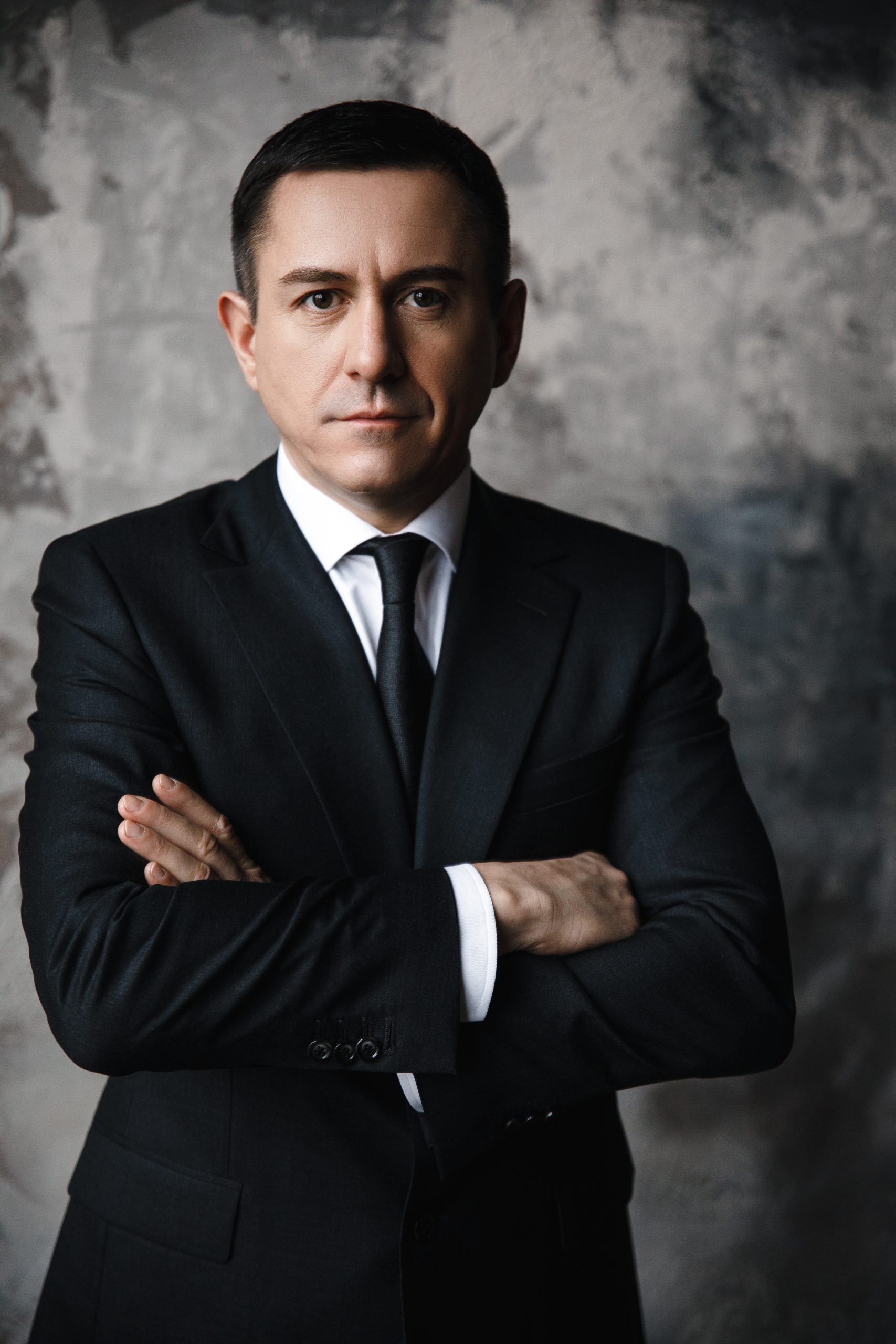
The client was defended by Grain Law Firm partner Oleksandr Teleshetsky.
This case lasted seven years and began with a search of the client’s apartment, during which law enforcement officers seized two documents that became key evidence of the prosecution – a veteran’s ID card of the Russian Ministry of Defense and a serviceman of the so-called “LPR”. At the same time, the lawyer was deliberately not allowed to participate in the search for four hours.
The defense initiated forensic examinations, which established a fundamental circumstance: the photographs in the documents dated 2016 were made from the client’s digital passport photo, taken only in 2018. This indicated the artificial creation of evidence in order to accuse the person of a particularly serious crime. As a result, the person spent two weeks in a pre-trial detention center and for the next seven years was under criminal prosecution on a particularly serious charge.
The courts of first and appellate instance agreed with the defense’s arguments regarding the inadmissibility of key prosecution evidence, and applied the ECHR’s “fruit of the poisoned tree” doctrine to some of them. The evidence collected by the defense confirmed the client’s innocence.
This case is about seven years of a person’s life, which he was forced to spend under criminal prosecution due to a falsified evidence base that did not withstand the scrutiny of the court, comments Oleksandr Teleshetsky. – We have consistently proven a gross violation of the client’s right to defense in this case, and also that the main evidence of the prosecution, seized during the search, was not genuine, and the derivatives obtained on their basis cannot be used to prove the client’s guilt. Finally, we have the final result – the acquittal of our client, which paves the way for launching a mechanism for compensation for damage caused by illegal actions of state representatives. Now the law enforcement system of the state is faced with the task of providing an appropriate assessment of the actions of individual employees of the prosecutor’s office and the SBU. Let’s see whether it will pass this test of its ability to self-purify, or is it all just slogans and populism.
Without an author