
South Korea recalls ambassador from Ukraine over diplomatic scandal with North Korean prisoners of war
/ 8 October 2026 14:49
4 min to read
The South Korean government has decided to recall its ambassador from Ukraine amid a diplomatic conflict related to the disclosure of information about the repatriation of two North Korean prisoners of war. Seoul accuses Kyiv of violating confidentiality agreements, while the Ukrainian side denies the existence of such an agreement.
This was reported by Femida.ua with reference to the South Korean publication SBS News.
Why is South Korea recalling the ambassador
On October 8, 2026, the South Korean government officially announced its decision to recall Ambassador to Ukraine Park Ki-chan for consultations in his homeland.
Such a diplomatic step is a form of protest against the actions of another state and indicates serious disagreements in bilateral relations.
At the same time, the recall of the ambassador does not mean the severance of diplomatic relations.
The statement of the South Korean government emphasizes that Seoul hopes for the settlement of disputes through negotiations and will continue consultations with the Ukrainian side.
What caused the diplomatic scandal
The conflict arose after Ukrainian President Volodymyr Zelenskyy’s speech at the UN General Assembly in New York on September 23.
During his speech, the Ukrainian president announced that two North Korean servicemen captured during hostilities on the side of Russia had been transferred to South Korea.
The next day, South Korean President Lee Jae-myeon expressed dissatisfaction with the public disclosure of this information.
According to Seoul, there was an agreement between the countries not to disclose the details of the repatriation of prisoners of war.
The South Korean side claims that Ukraine reported on the transfer of prisoners without proper consultations and explanations.
In turn, a representative of the Office of the President of Ukraine stated that there was no confidentiality agreement between the states.
It was these contradictory statements that caused the aggravation of diplomatic relations.
Seoul demanded an official apology from Ukraine
On September 27, the South Korean presidential administration demanded an official explanation and apology from the Ukrainian side.
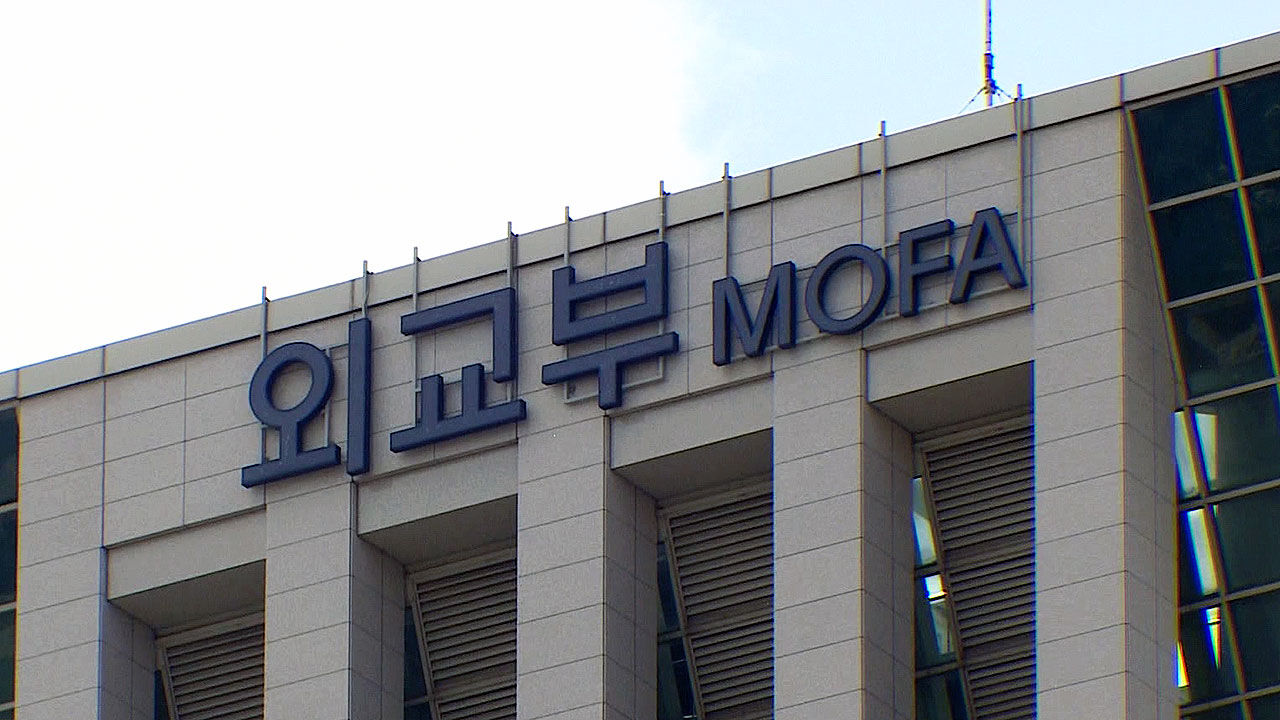
Already on September 28, South Korean First Deputy Foreign Minister Park Yun-ju summoned Ukraine’s Chargé d’Affaires ad interim Andriy Beshkin to the Ministry of Foreign Affairs.
During the meeting, the South Korean side expressed its protest over the publication of information about the repatriation of prisoners of war.
In addition to an official apology, Seoul demanded guarantees that similar situations would not occur in the future.
According to the South Korean side, Ukraine’s actions undermined trust between the states.
Ukraine apologized, but South Korea was not satisfied with this
After the diplomatic incident, consultations were held between the foreign ministers of the two countries.
On October 6, during parliamentary hearings, South Korean Foreign Minister Cho Hyeon reported that he was in constant contact with his Ukrainian counterpart and had already received a message with an apology.
However, according to the minister, the level of the apology did not meet Seoul’s expectations.
At the same time, the South Korean authorities announced that they were considering the possibility of recalling the ambassador from Ukraine.
Two days later, the government officially adopted the appropriate decision.
What will happen to diplomatic relations between Ukraine and South Korea
Despite the escalation of the conflict, South Korea declared its readiness to continue diplomatic dialogue with Ukraine.
The country’s government emphasized the need for a peaceful resolution of disputes and maintaining consultations between the parties.
At the same time, the specific date of Ambassador Park Ki-chan’s return to South Korea and the duration of his stay in his homeland have not yet been disclosed.
Thus, the recall of the ambassador became another stage in the diplomatic confrontation between Kyiv and Seoul, but both states retain the opportunity to resolve the conflict through negotiations.
Without an author