
The Council proposes tax breaks and compensation for backup power: who will be affected by the changes
/ 13 August 2026 12:48
2 min to read
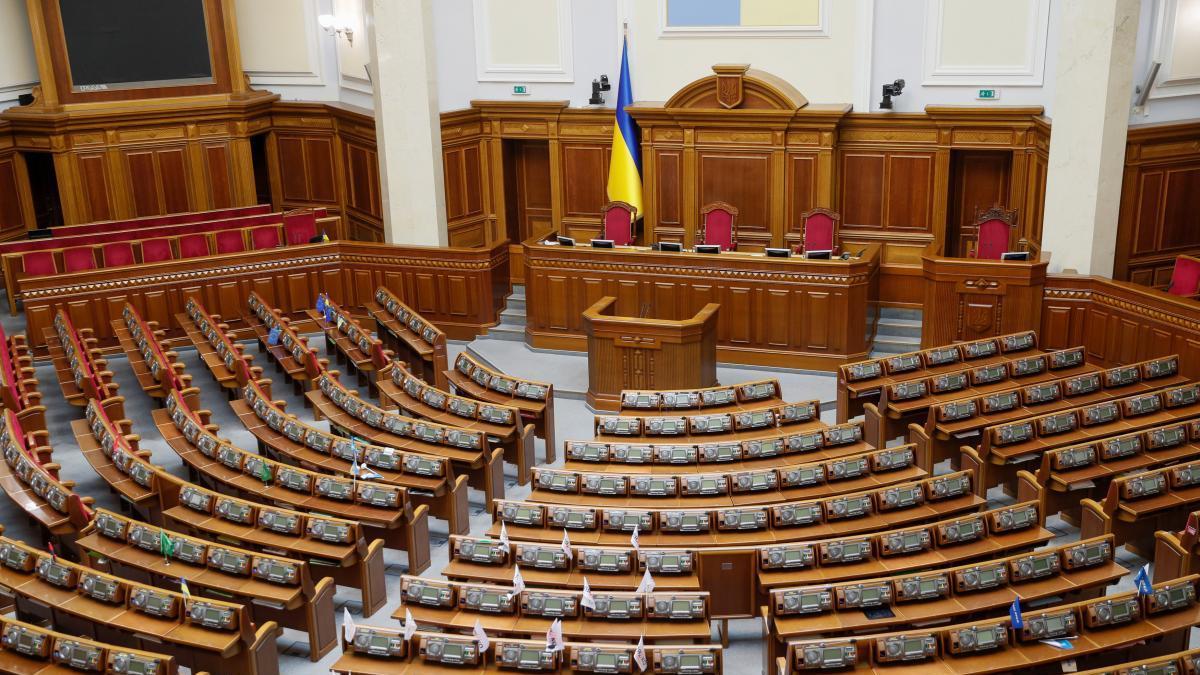
The Verkhovna Rada has registered a bill that provides for new mechanisms of state support for enterprises and institutions that ensure the operation of critical infrastructure and social facilities. This includes, in particular, tax incentives and the possibility of compensating for the costs of backup energy supply.
The initiative should help strategic facilities operate stably in conditions of war and the risk of power outages.
Who will receive support
The legislative changes are primarily aimed at business entities that ensure the livelihood of the population, as well as social facilities.
The bill provides for the introduction of three key state guarantees related to the support of backup energy supply. Among the main instruments are tax preferences and cost reimbursement mechanisms.
Thus, the state wants to create additional incentives to provide strategic facilities with alternative and backup power sources.
They want to compensate for the costs of backup power supply
One of the key innovations should be the possibility of reimbursing the costs associated with backup power supply.
This is especially relevant for enterprises and institutions that must continue to operate even during long power outages.
At the same time, specific procedures for receiving compensation, a list of required documents, and detailed conditions for applying tax benefits will still require regulatory regulation.
Where will the money come from
At the first stage, the proposed measures are planned to be financed within the framework of existing budget programs.
Also among the potential sources are mentioned:
Reserve Fund;
redistribution of budget expenditures;
international grants;
international loans.
Thus, the draft law actually proposes to create a new model of financial interaction between the state and enterprises and institutions on which the provision of basic needs of the population depends.
Final rules have yet to be determined
Currently, a number of important issues remain open. In particular, it concerns specific types of tax preferences, the procedure for confirming incurred expenses, and the procedure for receiving compensation.
It is expected that the practical mechanism for applying the new norms will be detailed in subordinate regulatory legal acts.
So far, the document has only been registered in the Verkhovna Rada, so the proposed benefits and compensations are not yet in effect. For their implementation, the draft law must go through the parliamentary procedure and be approved.
Without an author