

ATB reduces assortment by almost 29% due to destruction of warehouses and logistics problems
/ 2 October 2026 15:01
2 min to read
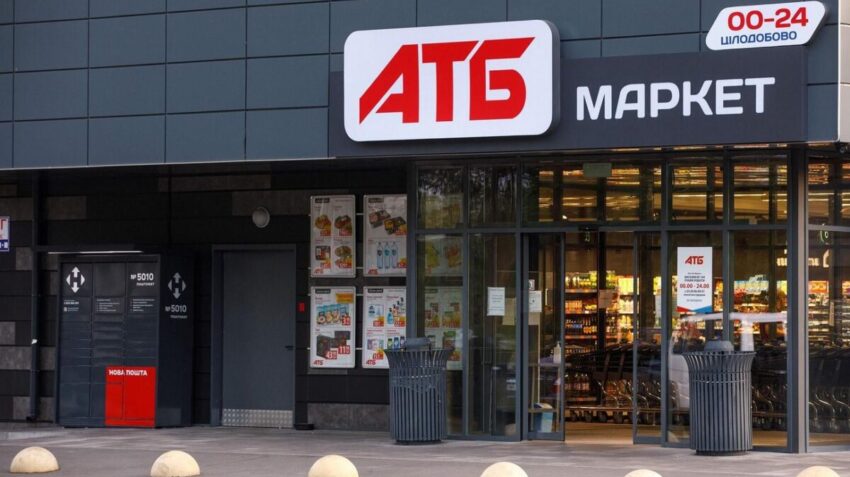
The ATB supermarket chain plans to reduce its assortment by about 29% amid the destruction of its logistics infrastructure as a result of Russian attacks. Compared to the figures of six months ago, about 1,130 product lines may disappear from stores.
Over the past six months, the chain’s assortment has already decreased by about 13%. The company planned to additionally withdraw about 600 items from sale.
What products will be reduced in ATB
The largest reduction in the assortment concerns:
alcoholic beverages;
groceries;
confectionery;
non-food products.
Supply problems also affect everyday goods. In particular, these include sugar, salt, flour, cereals, pasta, oil, vinegar, canned meat, eggs, drinks and sweets.
According to published data, the supply of stores with goods in these categories is currently about 60% of the need.
ATB lost more than half of its warehouse space
One of the main reasons for the reduction in the range was the large-scale damage to the company’s logistics infrastructure as a result of Russian attacks.
Since the start of the full-scale war, the network has lost more than 110 thousand sq. m of warehouse space, which is more than half of its logistics infrastructure.
Four distribution centers were completely destroyed, three more were damaged, and one remained in temporarily occupied territory.
During the summer and September 2026, Russian attacks, in particular, targeted the company’s facilities in the Brovary district of the Kyiv region, Dnipro, Kharkiv, and Odessa.
The total losses of the network due to destruction are estimated at approximately UAH 15 billion.
Logistics costs increased by 75%
Due to damage to the warehouse infrastructure and problems with suppliers, ATB was forced to temporarily stop cooperation with approximately 40 suppliers.
The company currently routes about 40% of its cargo through alternative or backup routes.
This has significantly increased operating costs: fuel costs have increased by about 50%, and total logistics costs by 75%.
The company sees the reduction in product range as a temporary measure to help ensure stable supplies of the most popular products in the face of damaged logistics infrastructure.
Without an author