
The prosecutor’s office will be able to demand documents from the media and businesses without opening criminal cases: the Rada supported the bill
/ 16 November 2026 14:02
3 min to read
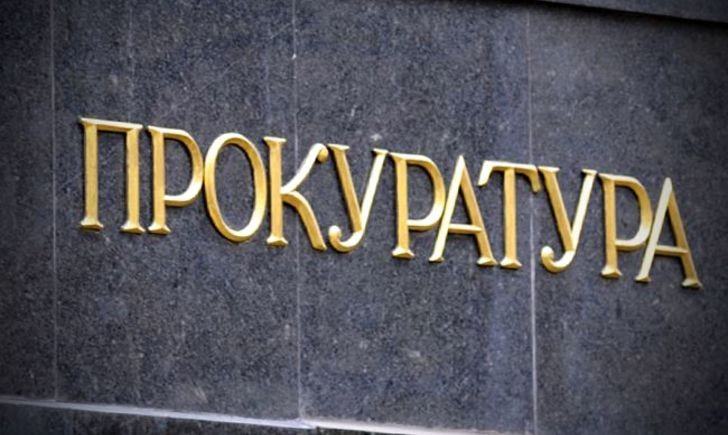
The Verkhovna Rada Law Enforcement Committee has supported government bill No. 16026, which provides for changes to the powers of the prosecutor’s office. Anti-corruption organizations warn that certain provisions of the document may create mechanisms for pressure on journalists and entrepreneurs, as well as complicate the investigation of cases involving unfounded assets of officials.
On November 12, the Verkhovna Rada Law Enforcement Committee recommended that the parliament adopt bill No. 16026 as a basis and in its entirety.
Prosecutors will be able to demand documents without criminal proceedings
According to Vitaliy Shabunin, the chairman of the board of the Anti-Corruption Center, the proposed changes actually return to the prosecutor’s office certain elements of general supervision, which Ukraine abandoned in 2016.
In particular, the document provides for the possibility of demanding documents and explanations from enterprises and media editorial offices without opening criminal proceedings and obtaining the sanction of an investigating judge.
The basis for such a requirement may be information from open sources or circumstances that the prosecutor considers to be a threat to fundamental national interests.
Five days will be allotted for the fulfillment of the requirement. Failure to fulfill it will entail liability.
Shabunin warns that such powers can be used to put pressure on investigative journalists. For example, after the publication of material about the assets of an official, the prosecutor’s office will be able to demand documents, contracts and internal correspondence from the editorial office.
In his opinion, appealing such requirements may be complicated due to the lack of open criminal proceedings.
The draft law may complicate the investigation of illegal assets
Transparency International Ukraine drew attention to other risks of the document related to prosecutors’ access to state registers.
Currently, prosecutors of the Specialized Anti-Corruption Prosecutor’s Office have direct access to information systems and databases of state bodies. This allows them to collect evidence regarding the origin of officials’ assets.
The draft law proposes to replace direct access with special access. However, experts note that such wording may limit the possibility of obtaining information from certain state databases.
In addition, the document changes the purpose of access to information: instead of identifying unfounded assets, it is intended to confirm their existence.
TI Ukraine believes that this may contradict the tasks of prosecutors defined by the Civil Procedure Code.
Anti-corruption organizations call for the law to be finalized
Transparency International Ukraine proposes to support the draft law only in the first reading, and before the second – to eliminate provisions that may limit the access of anti-corruption prosecutors to the necessary information.
The Main Scientific and Expert Department of the Verkhovna Rada Apparatus also expressed its comments on the document, in particular regarding the unclear definition of cases when the prosecutor’s office may represent the interests of the state in court.
Without an author