
The Rada explained the appearance of the term “common sense” in the new Civil Code
/ 12 May 2026 13:55
2 min to read
The parliamentary committee stated that the new concept should replace the Soviet approach to the “moral principles of society”
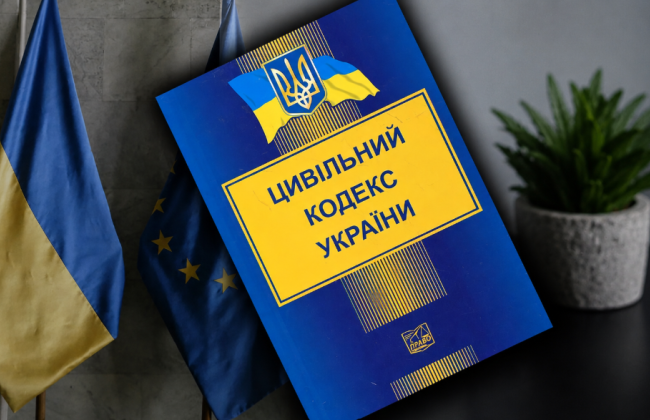
The Verkhovna Rada of Ukraine’s Committee on Legal Policy explained the appearance of the term “common sense” in the draft of the new Civil Code of Ukraine. They noted that the new concept actually means the moral principles of society, which have long been used in the Ukrainian legal system.
Why did the new term appear
The committee emphasizes that the introduction of the concept of “common sense” is an attempt to move away from the Soviet legal tradition, which used the formulations of “rules of socialist morality” and “moral principles of society.”
The working group that prepared the draft of the new Civil Code was guided by European legal approaches and principles of civil society.
References to Roman law and European experience
The parliamentary committee explained that the concept of “good customs”, which originates from Roman law, is essentially “common practice”.
According to the authors of the project, similar categories are used in a number of European civil codes, in particular in French and German legislation.
The committee also recalled that during European integration, Ukraine is undergoing a screening of legislation, so national norms must comply with the approaches in force in the European Union.
The Council is ready for discussion
The committee stated that they are ready to discuss the terminology and consider proposals from the public regarding a possible philological examination or replacing the term with another option.
What does the new Civil Code provide for
Let us recall that the Verkhovna Rada of Ukraine adopted as a basis draft law No. 15150, which provides for a large-scale update of the civil legislation of Ukraine. The document was supported by 254 people’s deputies.
The draft of the new Civil Code contains a systematic revision of private law in nine books and covers:
personal non-property rights;
property relations;
family law;
inheritance issues;
private international law.
Among the novelties of the document are the rules for refuting information on the Internet, regulating issues of posthumous paternity, as well as removing the norm according to which the unwillingness to have children could be a basis for divorce.
The parliament emphasizes that the changes are aimed at de-Sovietizing civil legislation and adapting it to modern European standards.
Without an author