
Ukrainian business may change forever: expert warns of rising prices and reduction of services
/ 17 September 2026 14:50

2 min to read
Ukrainian business, which for years has been distinguished by affordable prices, fast service and high competition, may change significantly in the coming years. One of the main reasons will be the decline in the population and effective demand.
This opinion was expressed by labor market expert Serhiy Marchenko. According to his assessment, the Ukrainian market is already facing a situation where the number of customers for some businesses is becoming insufficient. As an example, he cites catering establishments, where even in busy areas there are significantly fewer visitors.
Fewer customers – higher cost price
Marchenko believes that the key challenge for Ukrainian business will be the demographic situation. Due to war and migration, the country has lost and may continue to lose millions of consumers.
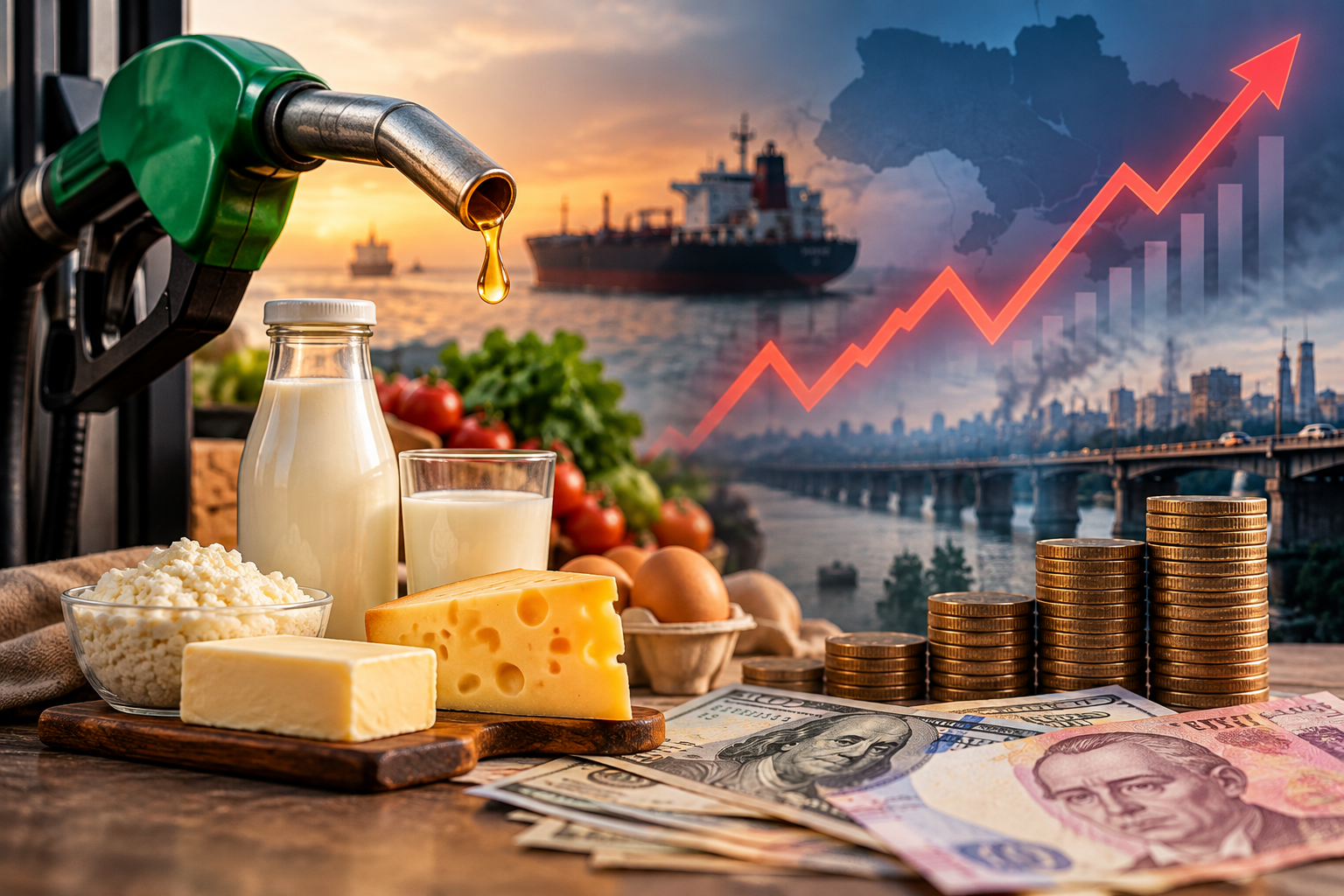
The decline in the population triggers a chain reaction: restaurants sell fewer dishes, accordingly, purchase fewer products, manufacturers reduce production volumes, and importers – supplies. With smaller volumes, the cost price of a unit of production increases, which may ultimately affect final prices.
Familiar service may become more expensive
According to the expert, Ukrainians will have to get used to a more pragmatic business model in the future. Companies may abandon some additional services and solutions that do not bring direct profit.
This includes, in particular, ultra-fast delivery, inexpensive taxis, affordable services of craftsmen and restaurant service, which have long been a competitive advantage of the Ukrainian market. Marchenko assumes that business will increasingly focus on simple and profitable work models.
At the same time, this is the expert’s author’s assessment, and not a confirmed forecast for the development of the Ukrainian economy. The real situation will depend on the course of the war, the return of Ukrainians from abroad, the level of income of the population, investments and the pace of economic recovery.
Without an author