
Ukrainian grain exports have sharply decreased: farmers are changing the structure of crops
/ 7 September 2026 12:01
2 min to read
Ukrainian farmers are faced with a reduction in grain exports, which leads to the accumulation of products and a deficit of working capital. Against this background, producers are reviewing the structure of crops and increasing interest in oilseeds, in particular rapeseed.
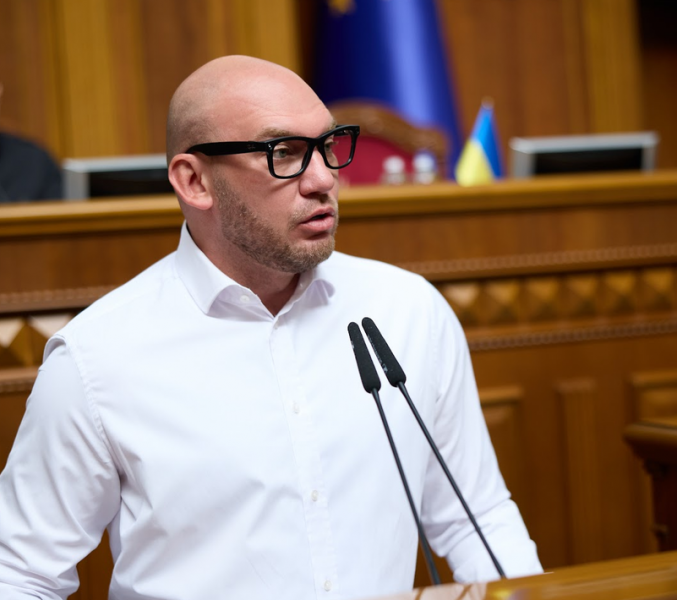
The deputy chairman of the All-Ukrainian Agrarian Council, Denys Marchuk, spoke about the situation.
Grain exports are declining
According to Marchuk, the situation with Ukrainian grain exports remains difficult. Due to the decrease in shipments, products are accumulating at elevators, and it is becoming more difficult for producers to obtain the necessary funds for further work.
In particular, in July, the volume of grain exports amounted to about 2.5 million tons, which is significantly less compared to previous months.
The reduction in sales abroad directly affects the financial condition of farms. Farmers need working capital to conduct subsequent sowing campaigns, purchase materials, and ensure current activities.
Farmers are betting on rapeseed
Due to difficulties with grain exports, Ukrainian producers are beginning to more actively review the structure of crops.
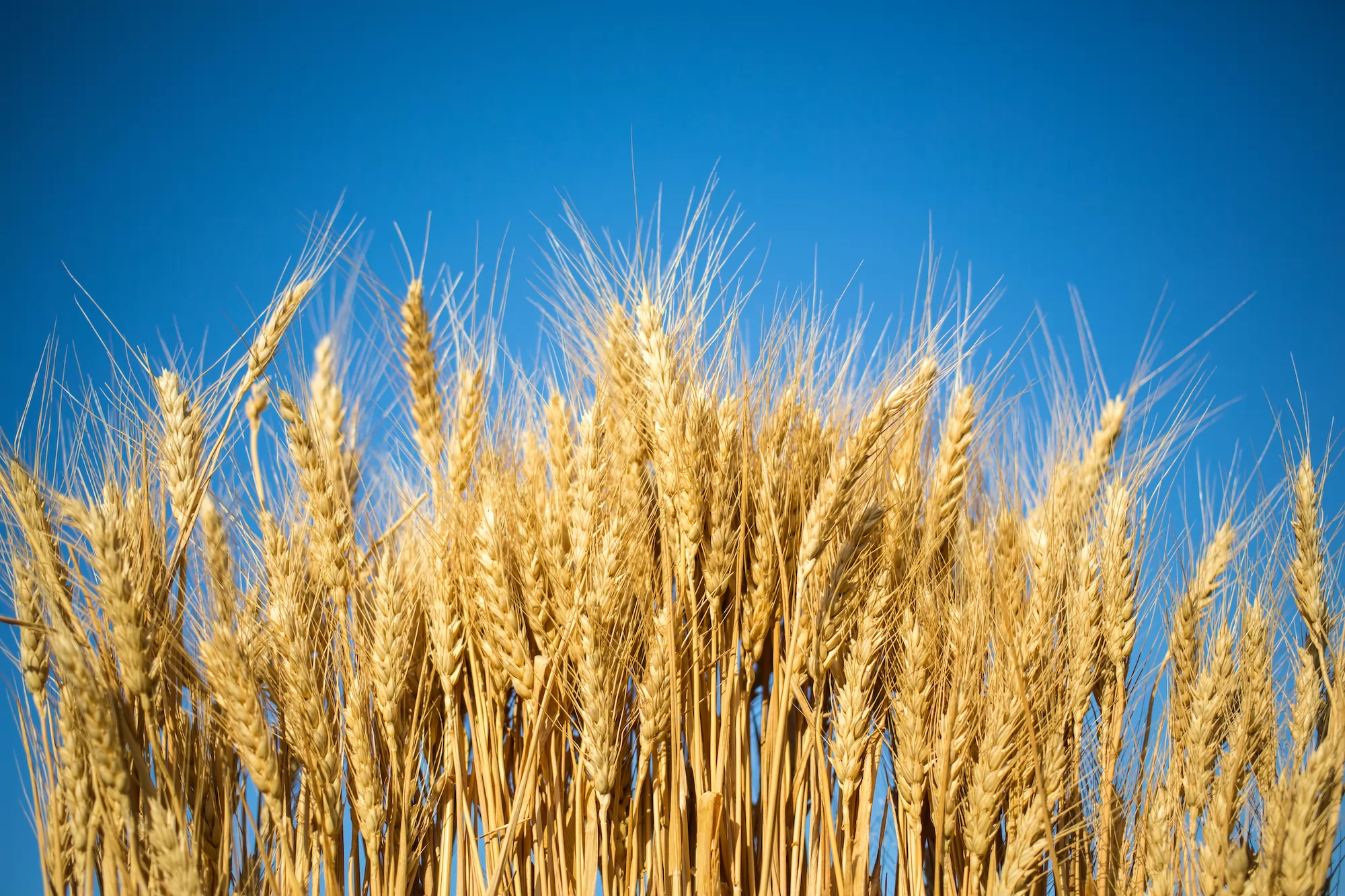
One of the directions is increasing the area under oilseed crops, in particular rapeseed. It is in demand on the international market and can become an alternative source of income for producers.
Thus, farmers are trying to diversify production and reduce dependence on the situation on the market of traditional grain crops.
What is happening to the agricultural sector
The decline in exports creates several problems for producers at once: products remain in warehouses longer, the receipt of funds slows down, and the ability to finance subsequent production cycles is reduced.
Under such conditions, the transition of some farms to growing oilseed crops that are more in demand on foreign markets may become one of the ways for the Ukrainian agricultural sector to adapt to new economic conditions.
Without an author