
Ukrainians are being sent fake “fines from the Ministry of Internal Affairs” for browsing websites: how to avoid giving money to scammers
/ 30 September 2026 09:58
3 min to read
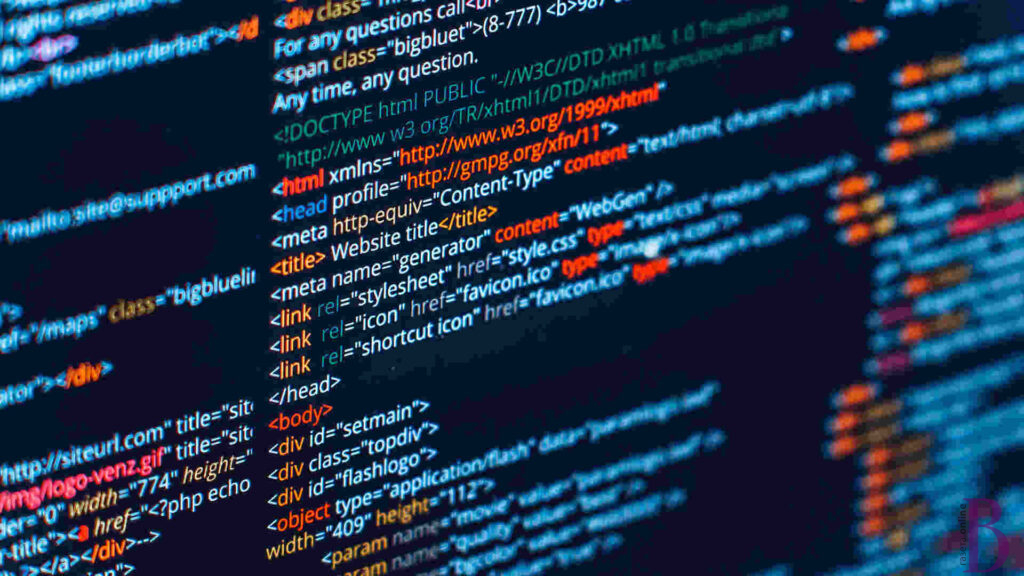
Ukrainians may receive messages about the alleged need to urgently pay a “Ministry of Internal Affairs fine for browsing websites.” Such messages may be part of a phishing scheme, the purpose of which is to obtain money, bank details, or a person’s personal data.
Browsing websites in itself is not a basis for imposing a universal “Ministry of Internal Affairs fine.” Therefore, a message that a user allegedly visited “prohibited sites” and now must pay immediately should not be automatically perceived as an official decree.
How the scheme works
Scammers can send SMS, emails, or instant messaging messages on behalf of government agencies. They urge people to immediately follow the link and pay the “fine.”
The danger is that phishing pages can visually copy real government resources — use similar design, logos, and site structure.
Particularly alarming are demands to pay money urgently, threats of negative consequences in case of non-payment, unknown links, as well as requests to enter the card number, CVV/CVC, password or one-time confirmation code.
Where to check real fines
If it is a fine for violating traffic rules, the information must be checked independently through official state services.
In particular, the web portal of the Ministry of Internal Affairs, “Diya”, the driver’s electronic account and official services for checking traffic fines are used for this.
It is not recommended to follow the link directly from a suspicious SMS or message. It is safer to open the official resource yourself.
What to do if the data has already been entered
If the user only opened a suspicious site, but did not enter or download anything, the page must be closed.
If bank card details or data for logging into Internet banking were entered, it is necessary to contact the bank as soon as possible through its official channels. If your card is compromised, it should be blocked.
If you have given your password, one-time confirmation code, or other confidential data to fraudsters, you should react immediately.
In the event of loss of funds or transfer of banking information, you should also contact the police and Cyber Police. To contact us, it is advisable to save the fraudsters’ messages, screenshots, the address of the phishing site, the sender’s phone number or account, and payment documents.
What punishment does fraudsters face
Fraud is provided for in Article 190 of the Criminal Code of Ukraine. The punishment depends on the circumstances of the crime, the method of its commission, and the amount of damage caused.
Imprisonment is provided for in certain qualified types of fraud. In particular, fraud on a large scale or through illegal operations using electronic computing equipment may be punishable by imprisonment for a term of three to eight years.
Without an author