

US preparing to restrict shipping in the Strait of Hormuz
/ 29 April 2026 12:28
2 min to read
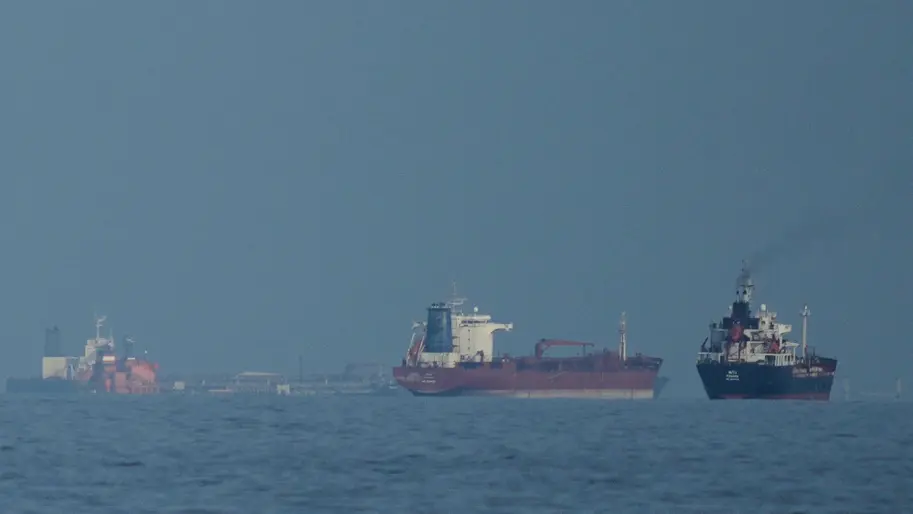
US President Donald Trump has ordered the Navy to prepare for a long-term restriction of shipping in the Strait of Hormuz, one of the world’s key energy routes. The decision is seen as part of an effort to increase economic pressure on Iran amid a protracted standoff.
According to The Wall Street Journal, the plan involves effectively blocking ships heading to or leaving Iranian ports. The White House considers this approach less escalating than direct military intervention, including air strikes, but effective enough to maintain pressure.
Energy and Law: Global Implications
The Strait of Hormuz is a critically important corridor for transporting oil. Any restrictions on shipping in this region inevitably affect global markets and increase risks for international trade.
Washington’s key goal is to limit Iranian oil exports and reduce Tehran’s revenues. In response, Iran is already partially blocking the strait for certain cargoes, which creates additional tension and may lead to further destabilization of the energy market.
International legal dimension
Such actions inevitably raise questions about the freedom of navigation enshrined in the norms of international maritime law. The actual blocking of transport routes can be considered a form of economic blockade, which requires a clear legal assessment in the context of the international obligations of states.
Prospects for the conflict
It is expected that such a strategy may transfer the conflict into a protracted phase: even without active hostilities, the security situation in the region will remain tense.
According to Trump, Iran is already signaling its readiness to ease restrictions, as it seeks to stabilize the internal situation. At the same time, further developments will depend on the balance between economic pressure and diplomatic efforts.
Without an author