
Washington opens a short window for Russian oil: sanctions are partially eased for 30 days
/ 16 March 2026 21:18
3 min to read
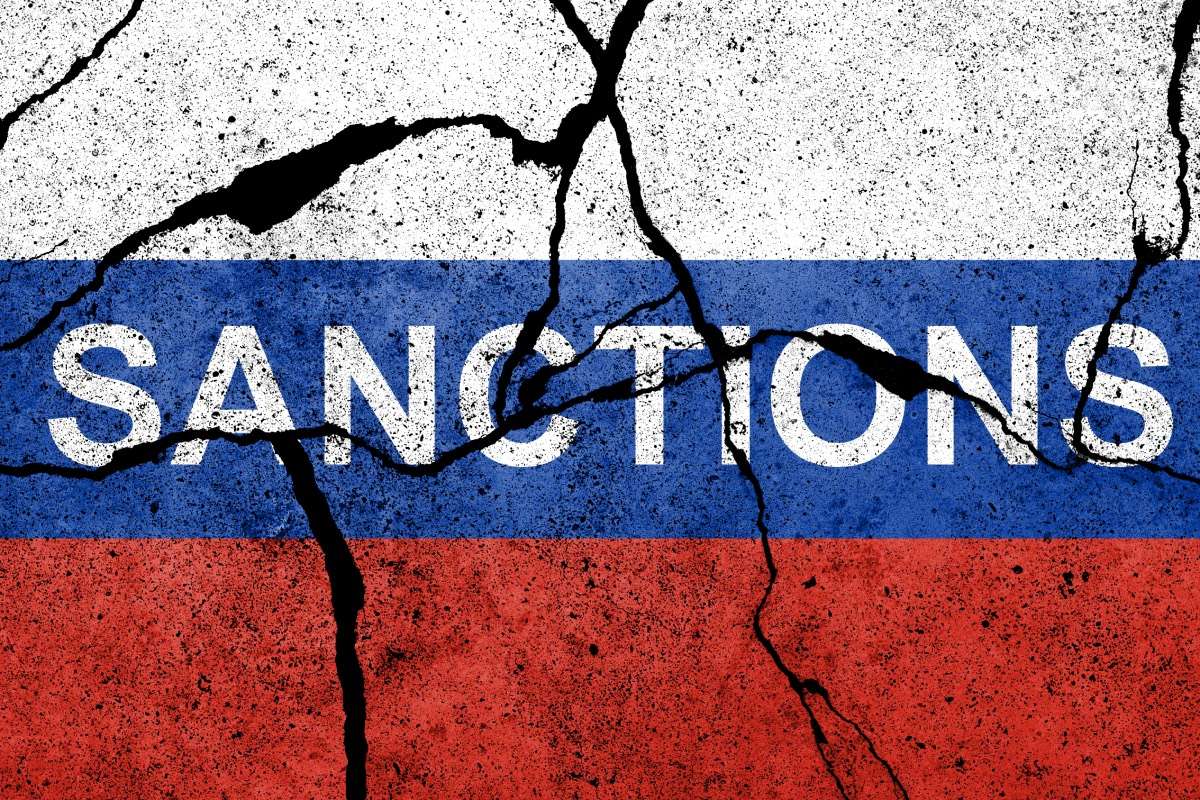
The United States has introduced a temporary exemption from sanctions, allowing countries to purchase Russian oil and petroleum products that are already at sea. The measure will remain in effect for 30 days and is intended to stabilize global energy markets amid the escalating situation in the Middle East.
This was announced by U.S. Treasury Secretary Scott Bessent, according to Reuters. He said the exemption is limited and temporary and is intended to ease pressure on global energy prices.

The reason: energy turmoil due to the conflict with Iran
Tensions in global markets have risen sharply following U.S. and Israeli strikes on Iran and Tehran’s response. The escalation has caused disruptions to shipping in the Strait of Hormuz—one of the key routes for transporting oil and gas from the Middle East.
This has led to a sharp rise in global energy prices and the threat of supply shortages.
What operations does the new license permit?
The U.S. Department of the Treasury license permits:
- the delivery and sale of Russian crude oil and petroleum products,
- provided they were loaded onto vessels as of March 12,
- the authorization will remain in effect until midnight on April 11, Washington time.
Thus, the sanctions are effectively being temporarily eased for oil shipments already at sea.
How much Russian oil is currently at sea
According to Fox News, there are currently about 124 million barrels of Russian oil at sea, located at approximately 30 points around the world.
If this volume enters the market in full, it could cover approximately 5–6 days of global oil demand, partially offsetting disruptions caused by the situation in the Strait of Hormuz.
Additional U.S. steps to stabilize the market
Washington had previously announced the release of 172 million barrels of oil from the U.S. Strategic Petroleum Reserve. This is part of a broader plan by the International Energy Agency (IEA), which includes 32 countries.
In total, the allies agreed to release approximately 400 million barrels of oil onto the global market.
In addition, the U.S. administration is considering other steps to stabilize the situation:
- a possible temporary suspension of the Jones Act, which restricts shipping between U.S. ports to American vessels;
- the introduction of political risk insurance for maritime trade in the Persian Gulf;
- escorting merchant ships with U.S. Navy vessels.
Analysts note that these measures are aimed at curbing sharp increases in energy prices and stabilizing the global oil market.