
25 Ukrainian MPs submit Bill No. 16117 to counter SLAPP lawsuits
/ 1 October 2026 10:16
4 min to read
Bill No. 16117 on countering the abuse of judicial proceedings, that is, so-called SLAPP lawsuits, which are used to pressure journalists, activists and other participants in public debate, has been registered in the Verkhovna Rada of Ukraine.
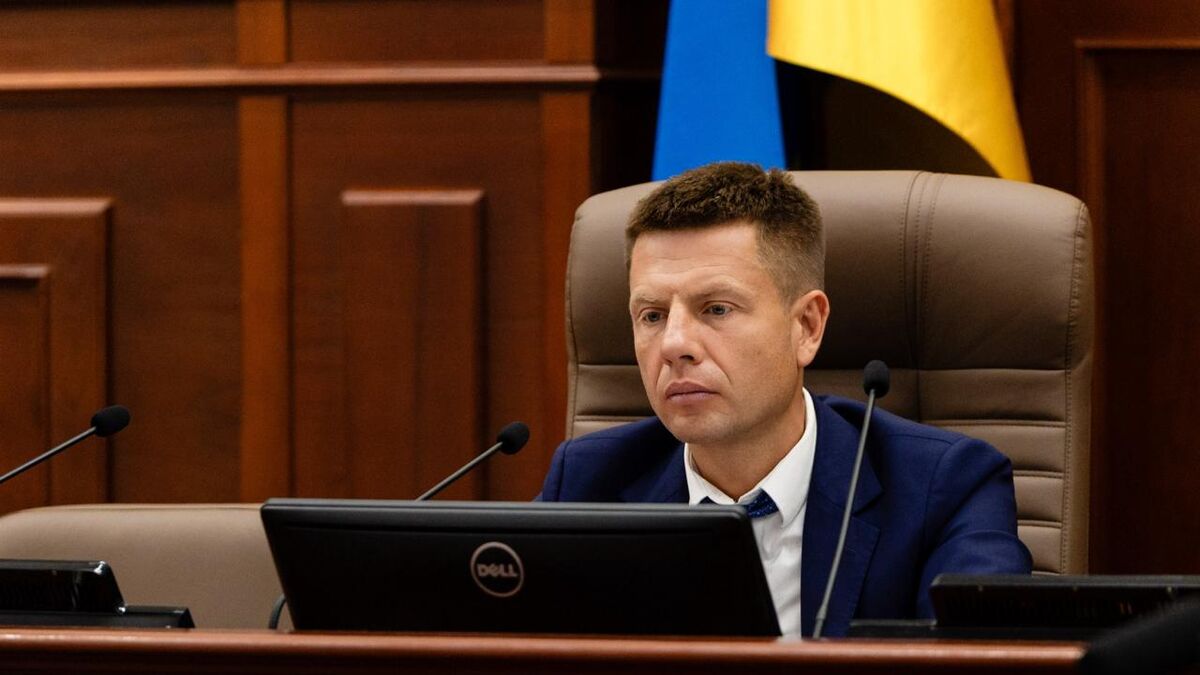
The registration was announced by Yaroslav Yurchyshyn, Chair of the Verkhovna Rada Committee on Freedom of Speech and one of the co-authors of the initiative. According to him, 25 members of parliament have signed the bill. At the time of registration, the text itself had not yet appeared on the parliament’s website, so its content can for now be judged only from the explanations of its initiators.
It is worth recalling that SLAPP stands for strategic lawsuit against public participation. The purpose of such a lawsuit is not so much to protect a violated right as to exhaust the defendant. Lengthy proceedings, legal fees and the risk of damages are meant to force a journalist or activist to abandon publications or a public position. That is why the key question for the legislator is how to filter out such cases as early as possible without depriving genuine victims of their right to judicial protection.
In response, the bill proposes a mechanism for the early dismissal of unfounded claims. In other words, a court will be able to close a SLAPP case at the initial stage, without dragging the defendant through months of proceedings on the merits. Protection against refiling serves as another important safeguard: if a case is closed as a SLAPP, the claimant will not be able to bring an identical claim again, including before a different judge. According to Yaroslav Yurchyshyn’s explanation, as reported by Espreso, this should put an end to the so-called “judicial carousel”, in which a claimant goes from court to court in search of the “right” judge.
A separate part of the bill concerns the financial balance between the parties. It provides for free legal aid for defendants in such cases. In addition, a court will be able to oblige the claimant, at the very start of the proceedings, to deposit a security from which the defendant’s legal costs will be covered if the lawsuit is found to be abusive. Put simply, the risk of protracted litigation partly shifts to the one who initiated it.
The Institute of Mass Information (IMI) took part in drafting the document. IMI lawyer Volodymyr Zelenchuk, as reported on the organization’s website, stressed that neither the bill nor the relevant EU Directive restricts the subjects of journalistic materials in their right to go to court, but both make it harder to abuse that right.
Work on the initiative has been under way since May. As Detector Media reported, it was on 1 May, at a meeting of the Committee on Freedom of Speech, that Yaroslav Yurchyshyn initiated the creation of a working group to develop mechanisms for countering SLAPPs. According to the committee chair, the bill has already received positive assessments from Council of Europe experts and the OSCE Representative on Freedom of the Media.
Countering SLAPP lawsuits is part of Ukraine’s European integration commitments in the field of freedom of speech and the protection of civic activity. At the same time, Yaroslav Yurchyshyn emphasizes that protecting journalists and activists from pressure through the courts is needed first and foremost by Ukrainians themselves, not only by the European Union. He summed up his position briefly: “A slap for the corrupt, not for journalists and activists”.
For Ukraine, the problem is by no means theoretical. As Espreso recalls, lawsuits that the media community qualifies as SLAPPs have previously been filed by a number of members of parliament, including Oleksandr Dubinsky, Oleksandr Horobets and Ihor Fris.
The initiators expect Bill No. 16117 to reach the session hall at the nearest plenary sittings, and the chair of the relevant committee insists that the document must be adopted by the end of the year. For legal professionals, the decisive moment will be the publication of the text: whether the early filter becomes an effective tool or remains a declaration will depend on how it defines the criteria for an “unfounded” claim and the grounds for requiring a security deposit.