
Automatic debt collection: Council tightens rules for debtors and restricts property transactions
/ 8 April 2026 13:23
2 min to read

On April 7, the Verkhovna Rada of Ukraine adopted a resonant law that transfers the debt collection system to a more automated format and significantly tightens restrictions for debtors.
The document is aimed at digitalizing enforcement proceedings and expanding the capabilities of the automated system.
What will change for debtors
One of the key innovations is the strengthening of restrictions on the disposal of property.
From now on, persons entered in the Unified Register of Debtors will actually not be able to:
sell property;
pledge it;
perform other notarial actions regarding alienation.
In such cases, notaries and other authorized persons will be obliged to refuse to perform the relevant actions.
Digitalization and automatic decisions
The law provides for deeper integration of the enforcement service with:
state registers;
banks and financial institutions;
non-bank payment services.
After the debt is repaid, the process will also become automatic: the system will independently generate confirmation, which will serve as the basis for:
exclusion from the Unified Register of Debtors;
lifting arrests from accounts, electronic money and securities.
Can they take away the only housing
The issue of possible foreclosure of housing caused the greatest resonance in society.
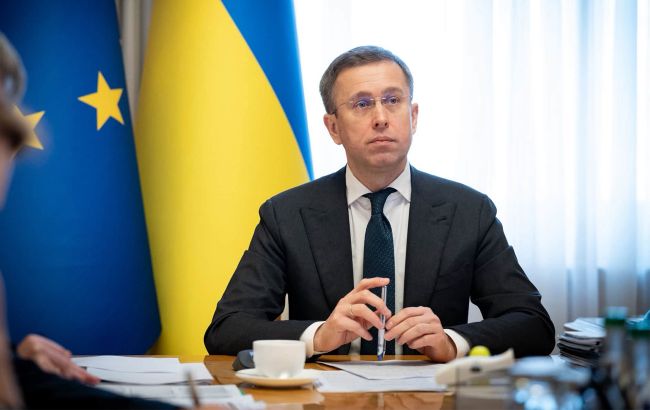
People’s Deputy Ihor Fris explained: the law does not expand the possibilities of seizing the only housing, but on the contrary, it raises the threshold.
In particular:
it is prohibited to foreclose on the only housing of military personnel during martial law and within a year after its end;
the debtor’s housing is not subject to foreclosure if the amount of the debt does not exceed 50 minimum wages (now it is 432 thousand UAH).
Previously, this threshold was 20 minimum wages.
International Commitments
The adoption of the law is part of Ukraine’s commitments under the Ukraine Facility, which envisages the modernization of the legal and financial system.
Conclusion
The new law significantly increases the efficiency of debt collection and at the same time makes this process more transparent and automated.
At the same time, it establishes clear safeguards to protect the basic rights of debtors, in particular regarding a single dwelling.
The new rules are expected to reduce opportunities for abuse and speed up the enforcement of court decisions in Ukraine.
Without an author