
EU returns to discussion on Russian assets: Netherlands calls for €210 billion to be used to support Ukraine
/ 8 May 2026 10:32
2 min to read
Negotiations have resumed in the European Union on the possible use of frozen Russian assets to finance Ukraine. This concerns about 210 billion euros of Russian funds blocked in EU countries after the start of a full-scale war.
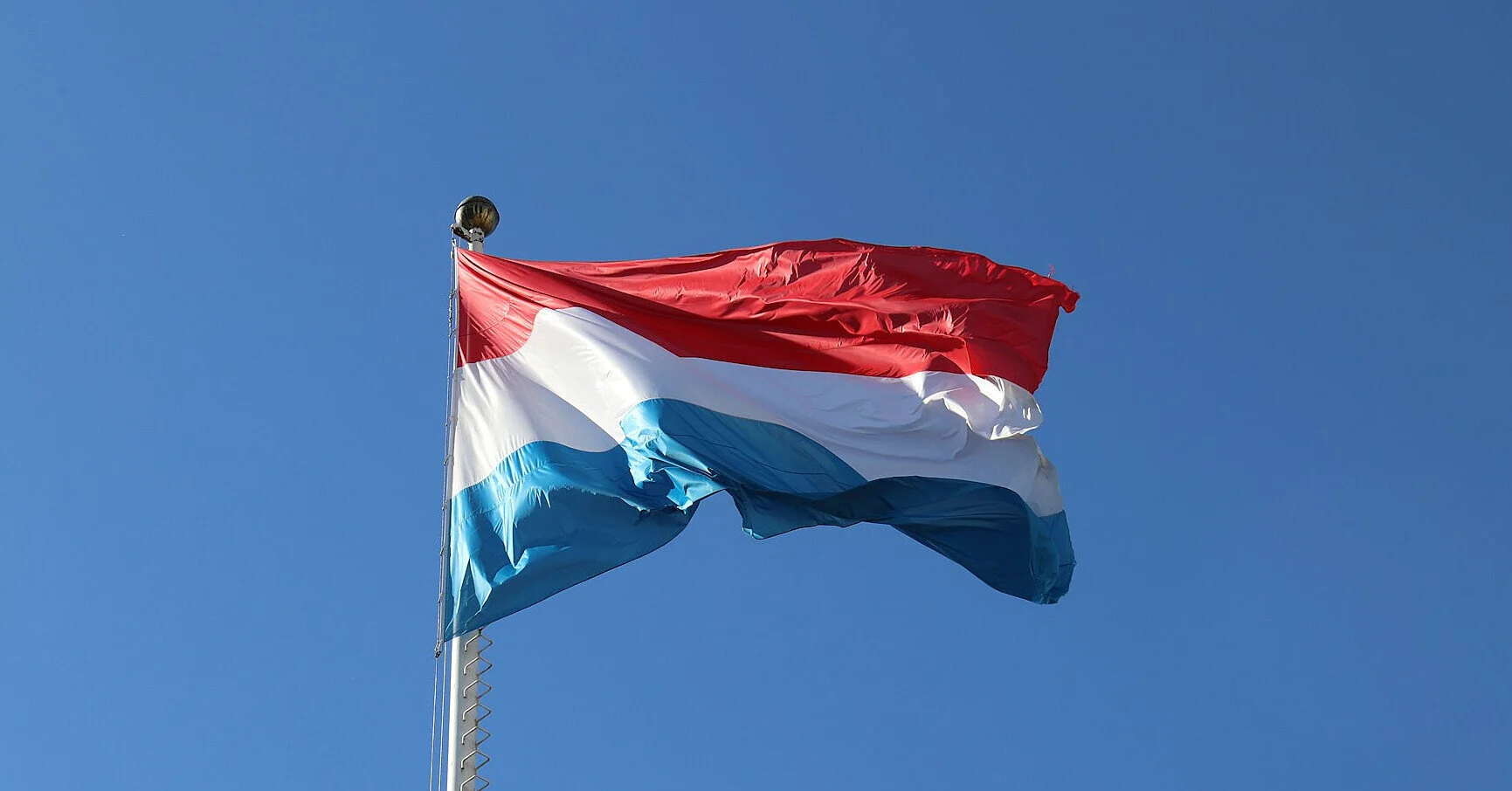
As Politico reports, citing diplomats and EU officials, the initiator of the new discussion was the Netherlands. The country’s Finance Minister Elko Heinen, during a closed Ecofin meeting in Brussels, called on partners to return to the issue of using Russian assets to support Ukraine’s defense capabilities as early as 2026.
The idea of the Netherlands was supported by Estonia, Latvia, Lithuania and Finland. At the same time, a number of states, including France, Italy, Bulgaria and Malta, continue to express concern about the possible legal and economic consequences of such a decision.
The issue is particularly acute for Belgium, because it is in Brussels that a significant part of Russian assets is stored. The Belgian government has previously warned about the risks of lawsuits and possible claims by Russia for compensation.
The European Central Bank has also repeatedly stressed that confiscation or use of Russian funds could set a dangerous precedent and affect the confidence of international investors in the eurozone.
Despite this, Brussels admits that Ukraine will need significantly more financial support if the war continues. The EU previously agreed to a loan program for 90 billion euros, but these funds cover only part of the projected Ukrainian budget deficit until 2027.
The European Commission is also counting on assistance from the United States, Canada, the United Kingdom and Japan.
Ukrainian President Volodymyr Zelensky previously stated that the fears of certain countries about a possible Russian reaction have effectively blocked the implementation of a full-fledged “reparation loan” mechanism for Ukraine at the expense of Russian assets.
According to EU diplomats, the discussion on the use of frozen Russian funds may again become one of the key topics of European policy at the end of this year.
Without an author