
Financial Support for Children of Fallen Soldiers: Ukraine Moves to Strengthen Legal Guarantees
/ 23 March 2026 14:56
3 min to read
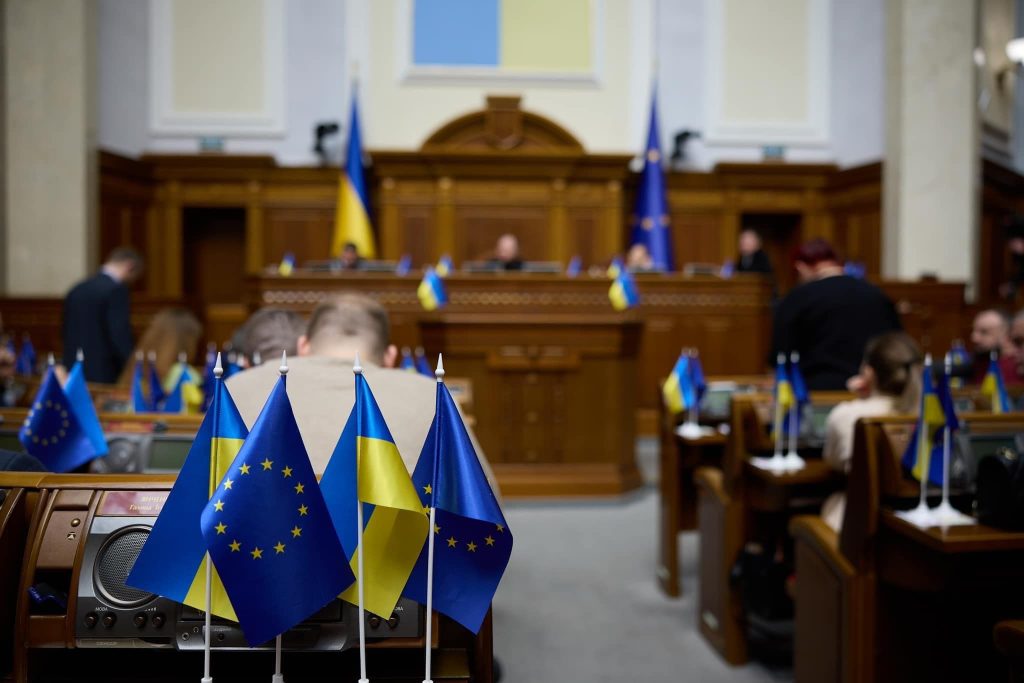
Ukraine is taking steps to improve legal protections for children of deceased military personnel, particularly those born after the death of a parent who served in the armed forces. A newly registered draft law seeks to eliminate legal uncertainty and ensure that such children can reliably receive one-time state financial assistance.
Protecting the most vulnerable
Under Ukrainian law, the state guarantees social protection for military personnel and their families. This includes financial assistance to relatives in the event of a servicemember’s death. However, in practice, children conceived during the servicemember’s lifetime but born after their death often face procedural challenges when claiming these benefits.
The new legislative initiative aims to address this issue directly by clearly affirming the rights of these children and removing administrative barriers.
The core problem: dependency on redistribution
Currently, the right of a child born after a servicemember’s death to receive financial assistance is often linked to the redistribution of funds among other eligible recipients. This creates delays and, in some cases, disputes between family members or other beneficiaries.
As a result, the child’s access to financial support may depend on complex legal procedures or even litigation over previously allocated payments.
The proposed amendments seek to resolve this by establishing that such children have an independent and unconditional right to receive assistance—regardless of any redistribution process or disputes involving other recipients.
Who is entitled to assistance
Ukrainian legislation defines a broad range of individuals eligible for one-time financial assistance following the death of a servicemember. These include:
- children (including those born after the servicemember’s death);
- spouses;
- parents;
- grandchildren (in certain circumstances);
- individuals who lived with the deceased as a family without formal marriage (if recognized by a court);
- other dependents entitled to survivor benefits.
Despite this inclusive framework, the lack of clarity regarding posthumously born children has created practical difficulties—something the new bill aims to eliminate.
Supreme Court position
The draft law is supported by recent judicial practice. In a landmark decision, the Supreme Court of Ukraine confirmed that a child conceived during the servicemember’s lifetime has the right to financial assistance regardless of any redistribution of payments.
The Court emphasized that such children should not bear the burden of disputes or administrative complications related to other beneficiaries.
Clear deadlines for applications
Another important innovation is the introduction of a clear time limit for applying for assistance. The draft law proposes that legal representatives of the child may submit a claim within three years of the child’s birth.
This provision is intended to bring greater legal certainty and ensure timely access to benefits.
Aligning with international standards
The initiative also reflects international human rights principles, including those enshrined in the UN Convention on the Rights of the Child. These standards emphasize that children must be protected from discrimination based on the circumstances of their birth and that their best interests must be a primary consideration in all decisions affecting them.
What will change
If adopted, the new law will:
- guarantee independent access to financial assistance for children born after a servicemember’s death;
- eliminate dependence on redistribution procedures;
- reduce legal disputes and delays;
- strengthen social protection for military families.
This reform represents an important step toward ensuring fairness and dignity for families who have lost loved ones in service to the country.
Without an author