
Former “Minister” of Energy of Occupied Crimea Detained in Kyiv: Evidence Gathered for Over 10 Years
/ 2 July 2026 13:11
2 min to read
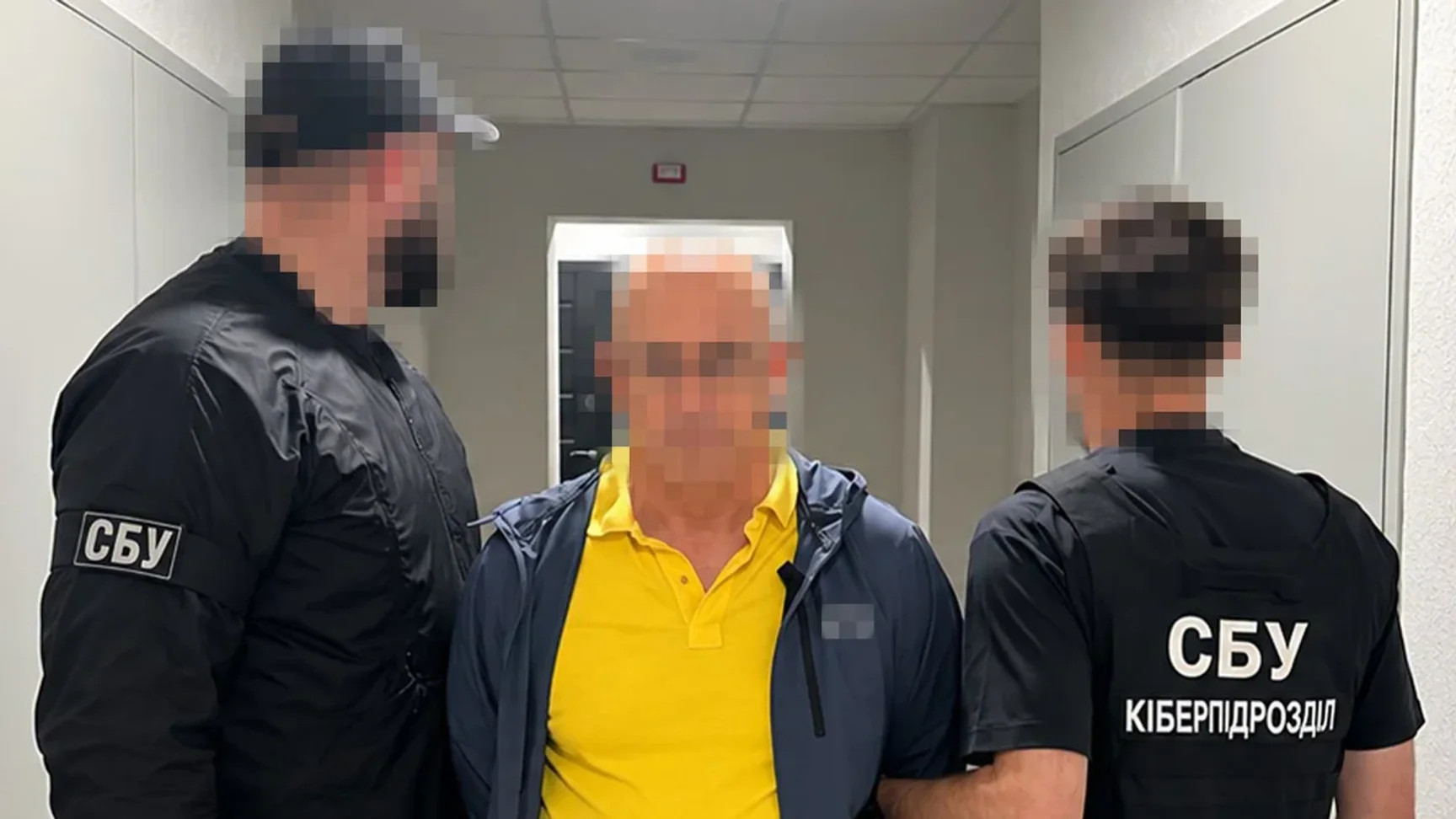
For over ten years, Ukrainian law enforcement officers have documented the activities of the former so-called “minister” of energy of occupied Crimea, who, after the annexation of the peninsula, began to cooperate with Russia. He was detained in Kyiv.
This was reported by the head of the prosecutor’s office of the Autonomous Republic of Crimea and the city of Sevastopol, Nariman Suleymanov.
According to the investigation, after the occupation of Crimea, the suspect voluntarily received Russian citizenship and agreed to head the energy department created by the occupation authorities.
In this position, according to law enforcement officers, he contributed to establishing control over the strategically important energy infrastructure of the peninsula, helping the occupation administration integrate the Crimean energy system into the structures of the aggressor state.
The prosecutor’s office emphasizes that even a few months in such a position is sufficient grounds for a criminal legal assessment of his actions.
According to Suleymanov, some criminal cases against the suspect have been at the pre-trial investigation stage since 2014. After the defendant returned to the territory controlled by Ukraine in 2025, investigators were able to quickly complete the collection of evidence.
After working in the occupation administration, the man headed several enterprises in Crimea, and later moved to Kyiv with his family. There, he purchased real estate, registering it for his daughter, and worked as an engineer in a private company.
The prosecutor’s office suggests that the suspect hoped to avoid responsibility, believing that after a long time and a full-scale war, his activities would remain unnoticed by law enforcement officers.
Currently, the Security Service of Ukraine has informed him of suspicion under Article 111 of the Criminal Code of Ukraine – high treason.
The court has chosen for him a preventive measure in the form of detention without the right to post bail. If convicted, he faces up to 15 years in prison with confiscation of property.
Without an author