
Germany is preparing to ratify a new tax agreement with Ukraine: what will change?
/ 5 October 2026 10:41
3 min to read
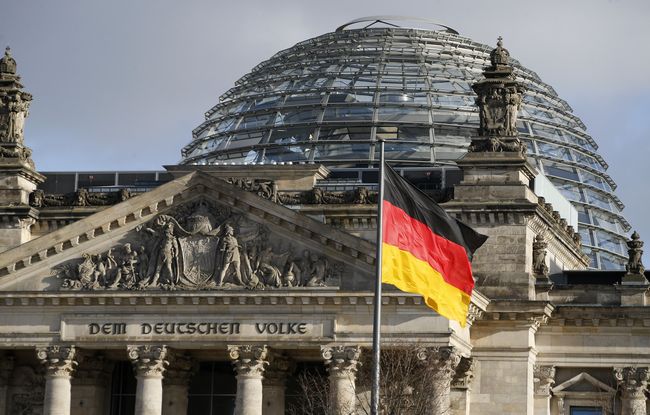
The German federal government has submitted to the Bundestag a bill approving a new agreement with Ukraine to avoid double taxation of income. The document also provides for strengthening mechanisms to combat tax evasion.
The new agreement is to replace the document that has been in force between Ukraine and Germany since 1995. The parties signed the corresponding agreement on May 19, 2026 in Paris.
Why is a new agreement needed
The German government emphasizes that double taxation creates obstacles to international trade and investment. Updating the rules should contribute to the development of economic relations between Ukraine and Germany.
The new agreement is largely based on the 2017 OECD Model Tax Convention and takes into account modern principles of international taxation.
Unlike the 1995 document, which regulated income and property taxation, the new agreement will apply specifically to income taxes.
What rules will change
The document provides for updating the provisions on:
taxation of dividends;
income from the alienation of property;
determination of permanent establishment;
resolution of tax disputes;
exchange of information between tax authorities;
mutual assistance in tax collection;
counteraction to abuse of the benefits of an international agreement.
In Ukraine, the document will apply, in particular, to personal income tax and corporate income tax.
In Germany, it concerns personal income tax, corporate tax and local business tax.
Tax authorities will be able to exchange information
A separate block of the agreement regulates the exchange of information between the tax authorities of Ukraine and Germany, necessary for the application of tax legislation.
At the same time, requirements for confidentiality and protection of personal data are provided.
The document also creates legal grounds for mutual assistance between the two states in the collection of tax claims.
Another innovation will be the possibility of arbitration of individual tax disputes if the competent authorities of Ukraine and Germany cannot reach an agreement on their own.
When will the new rules come into effect
The agreement still has to go through the ratification procedure. In Germany, this requires decisions of the Bundestag and the consent of the Bundesrat.
The document will enter into force after the exchange of ratification instruments.
For taxes withheld at source, the new provisions will apply to amounts paid from January 1 of the calendar year following the entry into force of the agreement. For other taxes, they will apply to tax periods starting from this date.
After that, the 1995 agreement between Ukraine and Germany will cease to be valid, taking into account the transitional provisions provided for.
Without an author