
In the US, a blogger was fined for an indecent image of Shrek sent to a senator
/ 12 October 2026 09:49
2 min to read
American blogger and independent journalist D. J. Burns was found guilty of telecommunications harassment after he sent Ohio Senator Jerry Cirino a picture of a naked Shrek. The court fined the man $200 and banned him from contacting the politician.
How the conflict between the blogger and the senator arose
D. J. Burns, known on social networks under the pseudonym The Rooster, regularly visits the Ohio State Capitol, where he records provocative interviews with American politicians.
The conflict between the journalist and Senator Jerry Cirino escalated in 2025 during the fight for the position of president of the state Senate. Burns openly supported Cirino’s political opponent.
After the senator refused to participate in the elections for a leadership position, the blogger began sending him mocking messages. One of them contained a sexually explicit image of the popular cartoon character Shrek.
The politician considered such actions as harassment and contacted law enforcement. Burns was subsequently detained.
The court found the blogger guilty
During the trial, the journalist’s lawyers insisted that his messages were a form of political satire, which should be protected by freedom of speech.
In turn, the prosecution argued that the private messages did not have a journalistic or socially significant purpose, but were aimed at harassing the senator.
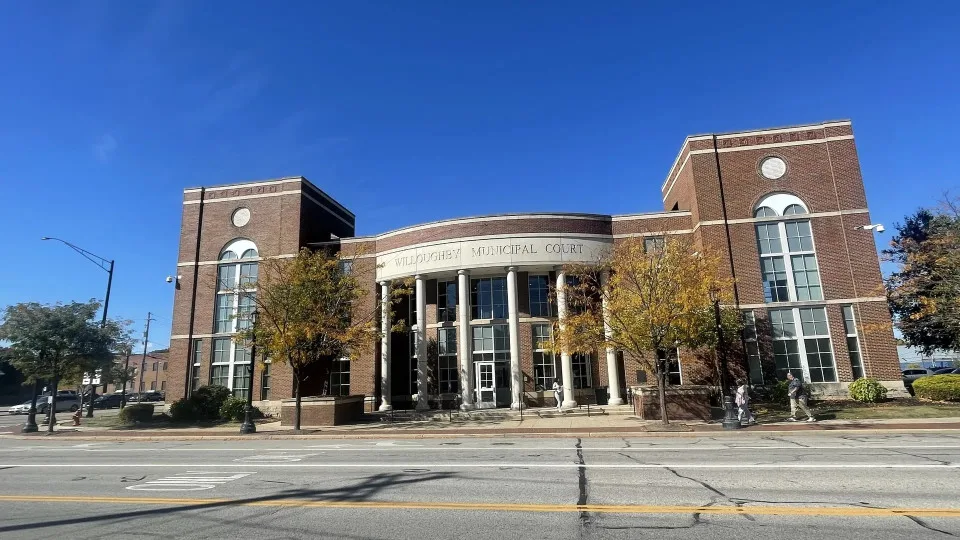
After a two-day trial, a panel of eight jurors found Burns guilty of telecommunications harassment.
Judge Michael Cicconetti fined the blogger $200 and banned him from any contact with the senator.
After his arrest, Burns also began selling T-shirts with his police photo on them to raise money for his legal defense.
Where is the line between satire and harassment?
The case has sparked a debate in the US about the limits of free speech in the digital space.
The blogger’s defense is convinced that criminal prosecution for political messages addressed to an official sets a dangerous precedent for free speech.
At the same time, Senator Jerry Cirino emphasized that he views the situation not as a restriction on political criticism, but as a protection of personal rights from unwanted communication.
Burns’ lawyers have already announced their intention to appeal the court decision.
This case raises a broader legal question: when political satire, even provocative and offensive, remains protected speech, and when private digital messages can be classified as harassment.
Without an author