
Millions Awarded, But Not Paid: Court in Sumy Orders Russia to Compensate Agricultural Company
/ 30 March 2026 10:48
2 min to read
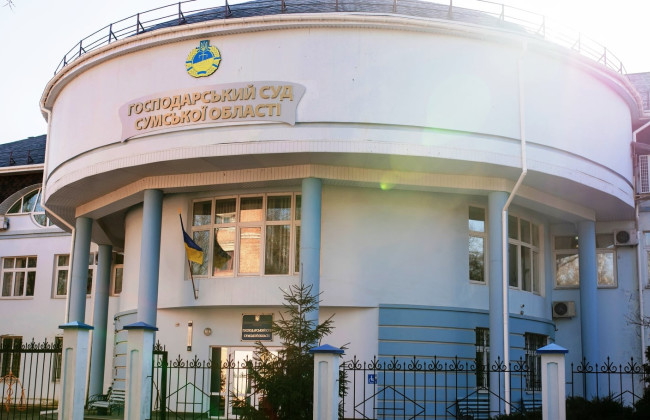
The Commercial Court of the Sumy Region has ruled in favor of a Ukrainian agricultural company, awarding multi-million compensation for property damage caused by Russian military attacks. However, the actual enforcement of this decision remains highly uncertain.
Court Confirms: The Aggressor Must Pay
The court established that the company’s property was damaged as a result of an airstrike carried out by Russian forces, with a clear causal link between the aggression and the losses incurred.
Despite the general principle of state immunity, the court applied the position of the Supreme Court of Ukraine, recognizing that acts of armed aggression fall outside sovereign functions and therefore do not enjoy immunity from jurisdiction.
A Judgment Without Enforcement?
The case was complicated not only by legal arguments but also by procedural challenges. The defendant did not participate in the proceedings due to the breakdown of diplomatic relations and lack of communication channels. As a result, the court examined the case based on available evidence and fully satisfied the claim.
However, the key issue remains enforcement. Russia does not recognize Ukrainian jurisdiction, and there are currently no effective mechanisms to compel payment. Sanctions, war conditions, and the absence of legal enforcement channels significantly hinder any real recovery of awarded damages.
A Precedent for Future Claims
Despite enforcement challenges, the case is highly significant for Ukrainian legal practice. It demonstrates:
- the possibility of limiting state immunity in cases of armed aggression;
- the protection of property rights of businesses during wartime;
- the creation of a legal and evidentiary foundation for future international claims.
Such decisions may serve as a basis for compensation through international mechanisms, third-party enforcement, or future reparation funds.
Cases against the aggressor state show that Ukrainian courts are capable of delivering legal justice even during wartime. At the same time, actual compensation remains dependent on international legal instruments and political will.
Without an author