
The Council will consider the status of electric scooters and new rules for light electric vehicles
/ 15 July 2026 19:01
2 min to read
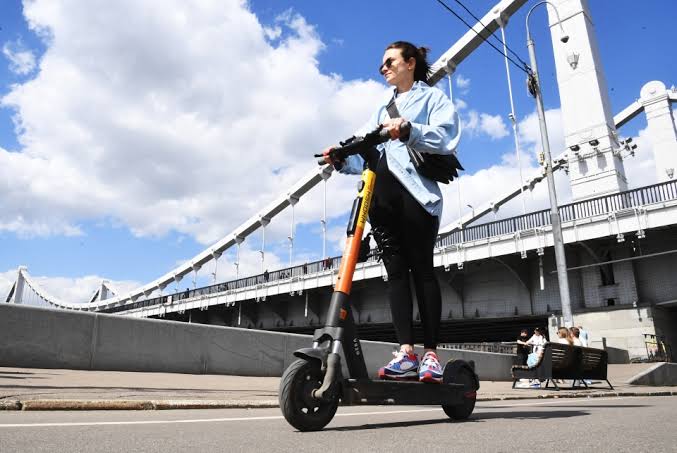
On July 15, the Verkhovna Rada plans to consider in the second reading Bill No. 3023, which should regulate the status of users of electric scooters, unicycles and other personal light electric transport as road users.
The document provides for changes in the field of safety for users of personal electric transport, cyclists and pedestrians.
Local authorities will be able to determine territories for the movement of electric scooters
One of the key proposals of the bill is to grant local governments the authority to independently determine the territories in which the movement of personal light electric transport will be allowed.
This concerns, in particular, electric scooters, unicycles and other similar means of transport.
Legislative changes should more clearly define the status of their users in the road traffic system and strengthen the safety of pedestrians and cyclists.
What other bills will the Verkhovna Rada consider
Also, in the second reading, the people’s deputies plan to consider bill No. 14067 on supporting the development of effective and sustainable district heating.
The agenda includes bill No. 14191, which concerns the formation of comprehensive state support and increasing social guarantees for families with persons with disabilities since childhood or children with disabilities.
In addition, the parliament is to consider bill No. 10399 on financing higher education and providing state targeted support to students.
Personnel changes in the government remain the main issue
At the same time, one of the key issues in the Verkhovna Rada remains personnel reshuffles in the Cabinet of Ministers.
Earlier, President Volodymyr Zelensky announced changes in the composition of the government. It is expected that personnel decisions may concern a number of ministries and the leadership of the Cabinet of Ministers.
Thus, the parliamentary agenda includes both consideration of important legislative initiatives in the social, educational, and transport spheres, as well as possible personnel decisions regarding the future composition of the government.
Without an author