
The court for the first time recognized the obstruction of the work of the Ombudsman’s representative by the CCC
/ 27 April 2026 11:41
2 min to read
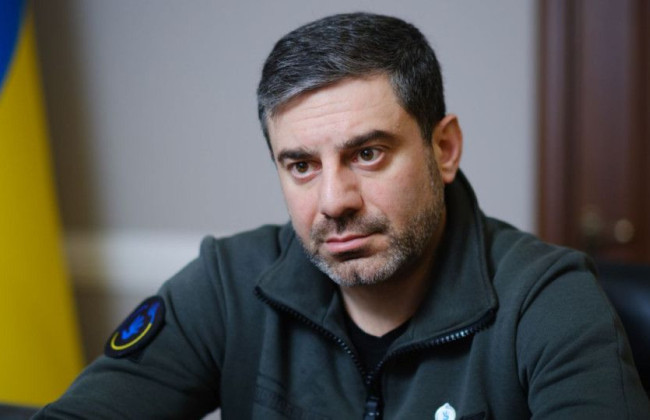
In Transcarpathia, a court has issued a precedent-setting decision, which for the first time in Ukraine provides a legal assessment of the obstruction of the activities of a representative of the Verkhovna Rada Commissioner for Human Rights. This was announced by Ombudsman Dmytro Lubinets.
This is a decision of the Uzhhorod City District Court, which found the head of the Uzhhorod District Territorial Center for Recruitment and Social Support guilty of denying the Ombudsman’s representative access during a monitoring visit.
Obstruction of inspections and hidden violations
According to Lubinets, in various regions of Ukraine there are systematically recorded cases of denial of access to institutions by representatives of the Ombudsman’s Office, failure to provide necessary information, and attempts to block inspections. This especially applies to individual territorial centers for recruitment and social support.
The Transcarpathian case, according to him, has become indicative. During the inspection, facts were revealed that may indicate serious human rights violations.
“It was behind the blocking that they tried to hide the blatant violations — possible illegal detention of people, the use of metal handcuffs, and other actions that may have signs of inhuman treatment,” the ombudsman noted.
Legal assessment and consequences
As Lubinets emphasized, the court not only recognized the fact of obstruction of the representative’s activities, but also confirmed the illegality of restricting access to information and inspections.
The materials on the identified violations have already been transferred to law enforcement agencies, which will provide further legal assessment of the actions of officials.
A precedent for the entire country
The ombudsman emphasized that this decision is of great importance for all law enforcement practice in Ukraine. It creates a clear signal about the inadmissibility of obstruction of the activities of the institution of parliamentary control.
According to him, all such cases will continue to be under personal control, and each violation will receive a proper legal assessment with the cases being brought to a court decision.
Without an author