
The EU is discussing restrictions on voting rights for new members: Ukraine may face new conditions for accession
/ 10 June 2026 08:27
2 min to read
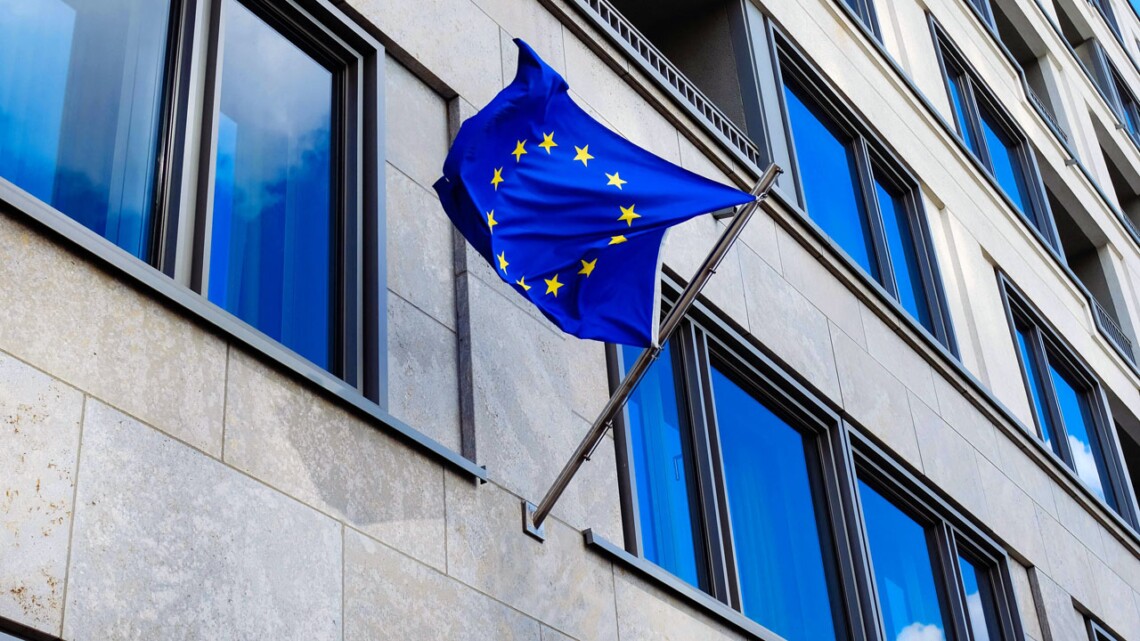
Germany, France, the Netherlands, Belgium and Luxembourg have initiated a new discussion on the future enlargement of the European Union. The five countries have proposed temporarily limiting certain voting rights for new EU member states, as well as strengthening mechanisms for monitoring compliance with democratic standards and the rule of law.
This was reported by Reuters with reference to a joint document of the five countries.
The idea appeared against the backdrop of intensified negotiations on the enlargement of the European Union. In particular, Montenegro is counting on joining as early as 2028, while Ukraine, Moldova and Albania are seeking to speed up the negotiation process as much as possible.
The document speaks of the need for an “in-depth discussion” on the introduction of transitional mechanisms for new EU members. This primarily concerns areas where decisions are made exclusively unanimously – foreign policy, the EU budget and the issue of further enlargement of the bloc.
In fact, the founding countries of the EU propose to create additional safeguards that will prevent individual states from blocking decisions in the future.
Separately, the joint document emphasizes the need to establish new mechanisms for monitoring democracy, media freedom, and the rule of law after the states join the EU. In the event of a deterioration in the situation, the European Union must have response tools.
Reuters notes that some European capitals are promoting such an idea due to the experience of Hungary, which the EU has repeatedly accused of democratic rollback during the premiership of Viktor Orban.
At the same time, the issue of Ukraine’s future status in the EU remains the subject of active discussions. Earlier, German Chancellor Friedrich Merz proposed providing Ukraine with a special format for participation in certain EU institutions and programs without full voting rights. Ukrainian President Volodymyr Zelensky opposed such an approach, emphasizing that Ukraine seeks full membership.
Despite this, the negotiation process continues. After Hungary lifted its 17-month veto, Ukraine was able to officially move on to opening the first negotiation cluster on EU accession. Its launch is expected in the coming days.
Without an author