
The Rada proposes to ban the interrogation of investigators and prosecutors as witnesses in their own cases

post-img

2 min to read

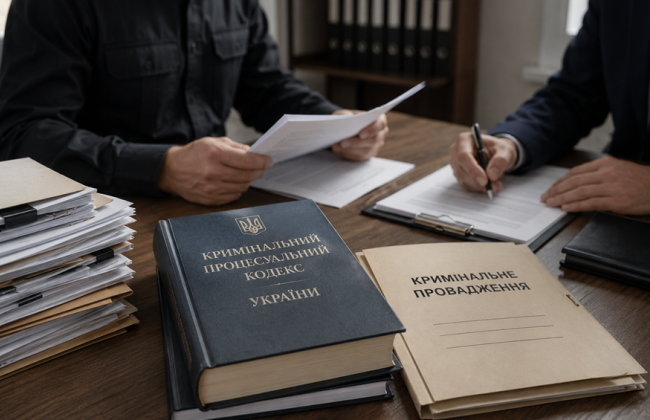
The Verkhovna Rada of Ukraine has registered draft law No. 15246, which provides for amendments to the Criminal Procedure Code of Ukraine regarding the procedural rights of participants in criminal proceedings and the procedure for using evidence.

The document proposes to limit the possibility of questioning representatives of the prosecution — prosecutors, investigators, inquirers and employees of operational units — as witnesses in those proceedings where they themselves participated in the investigation.

According to the draft law, Article 65 of the CPC is proposed to be supplemented with a norm that would directly prohibit questioning such persons regarding circumstances that became known to them while performing the functions of the prosecution in the same criminal proceedings.

In addition, the changes will affect Article 77 of the CPC, which regulates the grounds for disqualification. The authors of the initiative propose to extend the rules on disqualification to employees of operational units — in particular, in cases where they have already acted as witnesses in the case or there are doubts about their impartiality.

The explanatory note notes that operational officers, when carrying out the instructions of the investigator or prosecutor, are in fact part of the prosecution. Therefore, their further questioning as witnesses may violate the balance of the procedural rights of the parties and raise questions about the admissibility of evidence.

If the bill is adopted, the prosecution will be limited in using the testimony of operational officers as evidence in cases where they participated in conducting investigative or covert investigative actions.

At the same time, experts predict that the innovations may significantly affect the practice of pre-trial investigation and will require a clear delineation of the procedural roles of participants in criminal proceedings in order to avoid the risk of recognizing evidence as inadmissible.

Without an author