
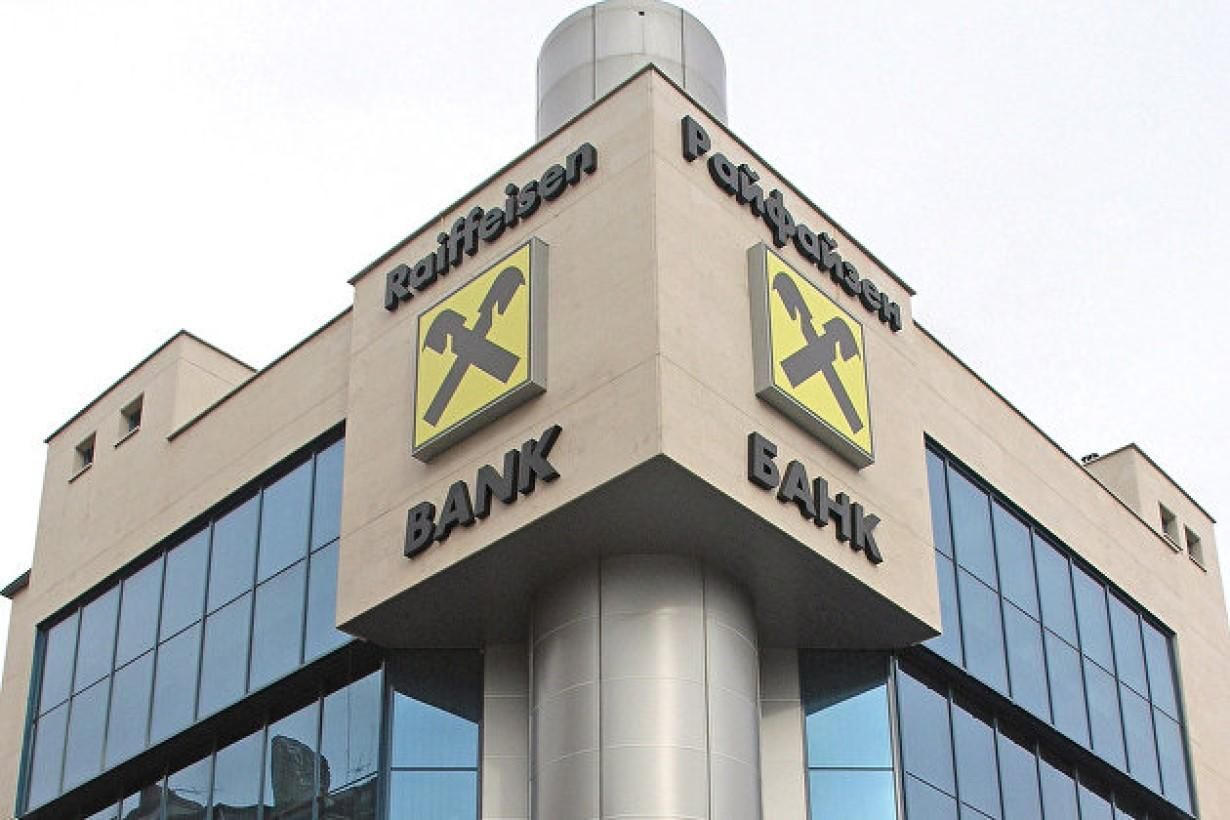
The Supreme Court denied a client of Raiffeisen Bank the return of almost UAH 1.3 million: what was the reason
/ 12 October 2026 10:25
3 min to read
The Supreme Court has finally denied a Raiffeisen Bank client the right to recover UAH 1,297,165 for 23 banking transactions that the man tried to appeal. The court found that the plaintiff voluntarily initiated all transactions and did not provide evidence of their fraudulent or unauthorized nature.
Why did the client demand almost UAH 1.3 million from the bank
The plaintiff used a Visa payment card issued by Raiffeisen Bank JSC under an agreement dated November 6, 2017.
In February 2024, the man applied to the court with a demand to recover UAH 1,297,165.42 from the financial institution. He claimed that the bank improperly conducted the procedure for appealing 23 transactions made between February 16 and June 9, 2022.
Among the transactions that the client considered to be disputed were transfers in favor of merchants with the TOPUP DNIPRO, ONLINESMM DNIPRO and MOBIWORLD DNIPRO brands.
The amounts of individual transactions reached 100 thousand hryvnias.
The man insisted that due to the bank’s actions he lost the opportunity to refer the dispute to arbitration of the Visa international payment system.
What the courts established
During the consideration of the case, it turned out that the client first notified the bank about the disputed transactions only on December 28, 2022 – more than six months after the last transfer.
The financial institution clarified the procedure for submitting an official application, which provided for mandatory identification of the client.
The man registered the corresponding application on March 1, 2023.
After that, Raiffeisen Bank initiated the appeal procedure in accordance with the rules of the Visa international payment system. However, the acquiring bank refused to refund the funds for reasons that, according to the courts, did not depend on the issuing bank.
The courts also established that the plaintiff independently and knowingly initiated all the transactions that he later tried to appeal.
The Supreme Court’s position
The Civil Court of Cassation, part of the Supreme Court, agreed with the conclusions of the previous instances regarding the lack of grounds for satisfying the claim.
The key argument was that the man did not prove the unauthorized, erroneous or fraudulent nature of the transfers.
The court also took into account the circumstances of the bank’s implementation of the Chargeback procedure – a mechanism for appealing card transactions through the payment system.
In this case, the courts concluded that the bank did not violate its obligations to the client, and the refusal of the acquiring bank to refund the funds cannot automatically be a basis for imposing liability on the issuing bank.
In addition, the Supreme Court rejected the arguments of the plaintiff’s representative regarding the need to depart from previous judicial practice, since they did not contain proper justification.
What decision did the court make
On September 30, 2026, the Supreme Court dismissed the cassation appeal of the plaintiff’s representative.
At the same time, the court left unchanged:
the decision of the Shevchenkivskyi District Court of Kharkiv dated July 23, 2025;
the resolution of the Kharkiv Court of Appeal dated January 29, 2026.
Thus, the recovery of UAH 1,297,165.42 from Raiffeisen Bank JSC was finally refused.
The Supreme Court’s resolution entered into force from the moment of its adoption and is not subject to appeal.
Without an author