
The US may ease sanctions against the Russian “shadow fleet”: what the Trump administration plans
/ 15 October 2026 14:13
4 min to read
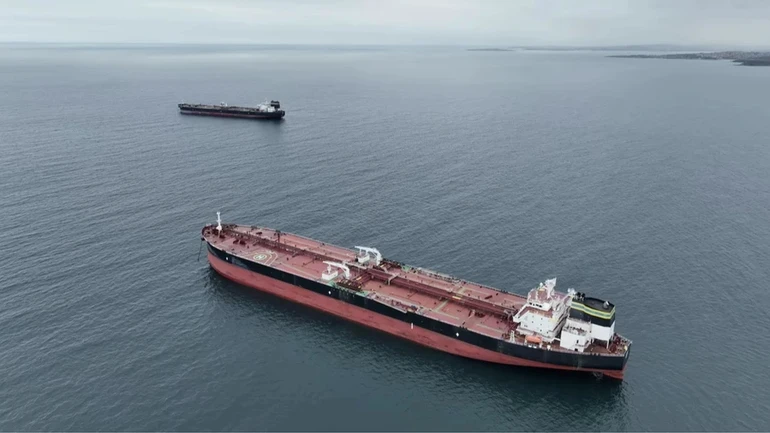
The administration of US President Donald Trump is considering the possibility of partially lifting sanctions against tankers of the so-called “shadow fleet”, which were previously used to transport Russian and Iranian oil. Washington hopes to increase the availability of vessels for transporting oil and reduce record-high tariffs for maritime transportation.
What sanctions can the US lift
According to journalists, the US administration is discussing the possibility of allowing sanctioned tankers to transport oil and petroleum products that are not subject to US sanctions.
At the same time, this will not mean automatic permission to transport Russian or Iranian oil, which is subject to US restrictions.
It is assumed that companies wishing to use such vessels will have to obtain individual licenses from the US Treasury Department.
The main goal of the initiative is to increase the possibilities of exporting oil from the Persian Gulf region and reduce the cost of maritime logistics.
Why Washington wants to ease restrictions
US Energy Secretary Chris Wright confirmed that the administration is considering easing sanctions against individual vessels of the “shadow fleet”.
According to him, a sharp increase in freight rates has negatively affected demand for American crude oil.
Freight is the fee for transporting cargo by sea. When the cost of renting tankers increases, the cost of transporting oil also increases, which affects the competitiveness of suppliers.
Washington expects that the return of some of the sanctioned vessels to the legal segment of the market will increase the number of available tankers and reduce price pressure.
At the same time, the US Department of Energy emphasizes that possible changes should not create additional opportunities for Russia to export sanctioned oil and petroleum products.
Will this help Russia circumvent sanctions
Despite the possible easing of restrictions, the proposed mechanism envisages the use of tankers exclusively for the transport of oil that is not subject to US sanctions.
That is, it is primarily about changing the operating conditions of individual vessels, and not about the complete abolition of restrictions on Russian oil exports.
At the same time, the final terms of a possible solution are not yet known. In particular, it is not reported which tankers can receive permission and what control mechanisms will apply to their activities.
Experts doubt that the solution will significantly reduce the cost of oil transportation
Analysts from Energy Aspects are skeptical about the prospects of the proposed step.
According to their estimates, a significant part of the vessels of the “shadow fleet” are outdated and technically worn out.
In addition, most of these tankers have already been used to transport oil over the past three months. Therefore, the easing of sanctions is unlikely to significantly increase the total number of available vessels.
Experts suggest that the decision will allow only a limited number of additional tankers to transit the Strait of Hormuz.
Another deterrent is the sanctions of the European Union and the United Kingdom.
Even if the American restrictions are eased, insurance companies and other participants in the maritime market will be obliged to comply with the relevant European and British rules.
This may limit the practical effect of Washington’s decision.
What happens next
At present, the administration of Donald Trump is only studying the possibility of a partial easing of sanctions. A final decision on the return of sanctioned tankers to the transportation of oil that is not subject to restrictions has not been announced.
If the initiative is implemented, companies will have to obtain special permits from the US Treasury Department.
At the same time, experts warn that even such a step is unlikely to lead to a significant reduction in the cost of transporting oil by sea.
Thus, the US is considering the possibility of using some of the vessels of the Russian “shadow fleet” to transport non-sanctioned oil, but there is currently no talk of completely lifting oil sanctions against Russia.
Without an author