
Ukraine risks losing up to $1.4 billion in aid: why the Rada is delaying financial “visa-free” with the EU
/ 14 October 2026 17:54
5 min to read
Ukraine may miss out on up to $1.4 billion in international funding due to the delay in the adoption of the bill necessary to join the Single Euro Payments Area (SEPA). The Verkhovna Rada must adopt the relevant legislative amendments by mid-November 2026. At the same time, the reform would allow Ukrainians and businesses to significantly reduce the costs of international money transfers.
What is SEPA and why is it important for Ukrainians
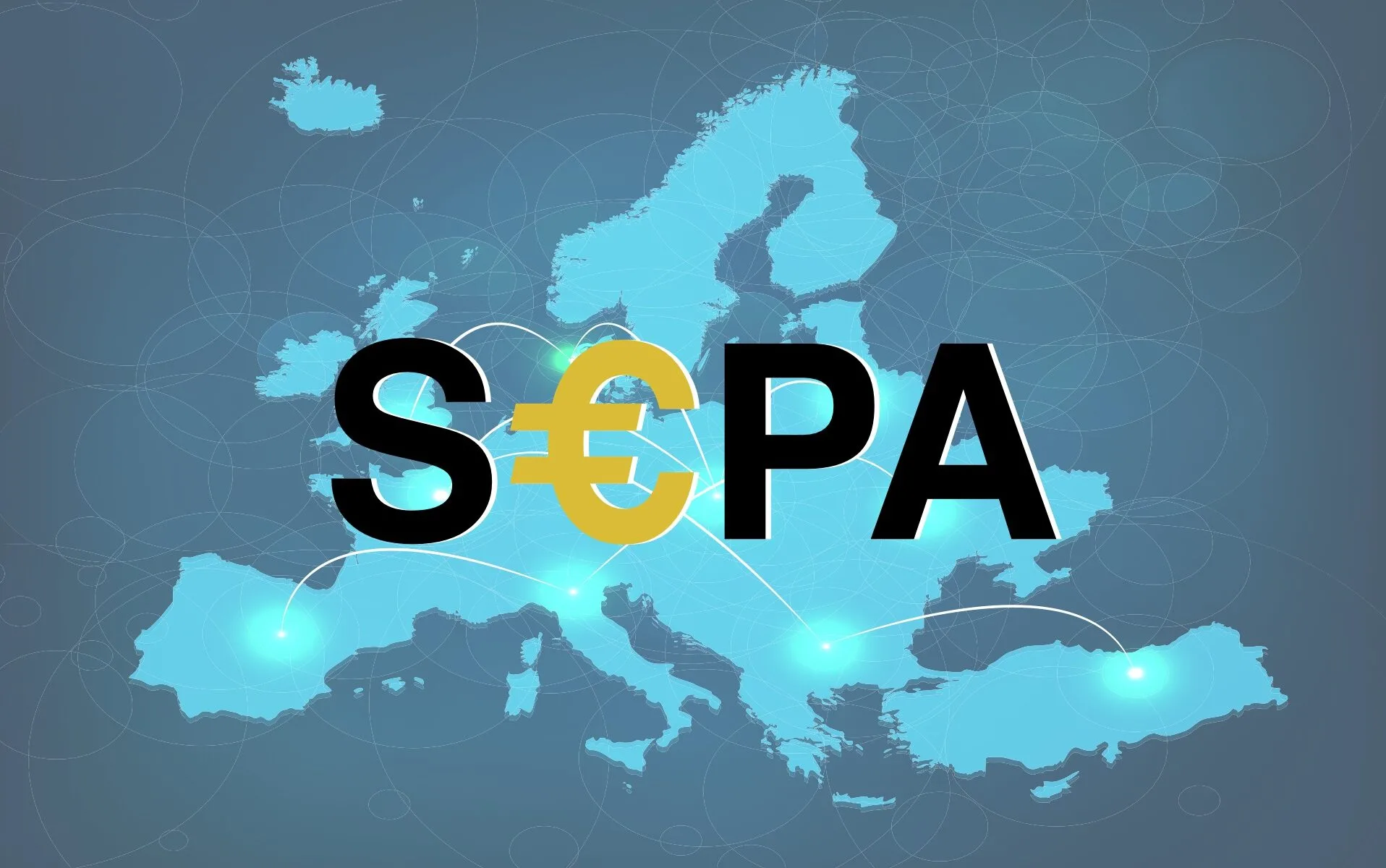
SEPA (Single Euro Payments Area) is a single euro payments area that provides standardized and relatively cheap non-cash transfers between participating countries.
Ukraine’s accession to this system will allow citizens and businesses to transfer funds to European countries faster and receive payments from abroad.
Currently, international transfers can be accompanied by significant commissions. In particular, according to the National Bank, transferring 500 euros from Ukraine to Poland can cost from 15 to 50 euros.
After full accession to SEPA, the cost of such operations may be reduced to a few euros, and in some cases, to practically zero.
The changes will be especially important for Ukrainians who work or study abroad, receive assistance from relatives, or regularly make international payments.
How much money can Ukraine lose
The adoption of bill No. 14327-d is one of the conditions for obtaining international financing.
According to the assessment of the economist of the Center for Economic Strategy Bohdan Slutsky, this concerns:
almost $400 million from the European Union within the framework of the Ukraine Facility program;
about $1 billion in financing from the World Bank.
At the same time, MP Olha Vasylevska-Smaglyuk clarifies that $800 million is at risk within the framework of the World Bank DPL-2 program.
Thus, estimates of possible under-received financing vary depending on the program and the approach to the calculation.
If the parliament fails to fulfill its obligations, Ukraine risks not receiving part of the planned international support.
Ukrainians could save up to €200 million annually
According to the Ministry of Finance, Ukraine’s accession to SEPA could provide annual savings of €70 to €100 million on bank fees.
Analysts suggest that the total savings could reach €200 million per year.
For small and medium-sized businesses, the benefits could also be significant.
According to the National Bank, the average small or medium-sized exporter could potentially save up to €4,000 annually.
In addition, simplifying international payments will promote the development of exports, e-commerce, and cooperation between Ukrainian companies and European partners.
Why is the Verkhovna Rada delaying the adoption of the law
Despite the economic benefits, draft law No. 14327-d has not yet passed its first reading.
According to MP Olga Vasilevska-Smaglyuk, some political forces link support for the document with demands for reforming the State Financial Monitoring Service and changing the leadership of the National Bank.
In particular, representatives of the Holos faction insist on holding a competition with the participation of international experts to appoint the head of the State Financial Monitoring Service.
Vasilevska-Smaglyuk believes that the issue of personnel appointments should be regulated by separate legislation, and not linked to Ukraine’s accession to SEPA.
As a compromise, the draft law included provisions on the international audit of the State Financial Monitoring Service.
At the same time, the European Business Association supports the general concept of the reform, but calls for the refinement of individual norms to ensure a balance between European requirements and business opportunities.
Will state bodies have access to all bank accounts?
One of the most controversial provisions of the draft law provides for the creation of a single register of bank accounts and individual safes.
It is to be administered by the Ministry of Finance.
According to the National Bank, the register will contain only basic information:
name of the account holder;
name of the banking institution;
information on the existence of an account or safe.
At the same time, the register does not provide for the display of balances, payment history or contents of safes.
Only authorized bodies specified by law will have access to the information within the framework of relevant procedures.
It is also envisaged to record applications to the register, which should help control the legality of access to personal financial data.
They want to raise the threshold for financial monitoring to 550 thousand hryvnias
The draft law No. 14327-d also provides for an increase in the threshold for financial transactions subject to mandatory financial monitoring on the grounds specified by law.
Instead of the current 400 thousand hryvnias, it is proposed to set a threshold of 550 thousand hryvnias.
At the same time, this does not mean that transactions for smaller amounts will not be checked at all. Banks will still be able to analyze transactions that have signs of suspicious activity.
The National Bank and the banking sector assure that ordinary payments of citizens, including payments for goods, utilities and transfers to relatives, should not undergo significant changes.
When will Ukraine be able to join SEPA
For
Without an author