
Ukraine’s associated membership in the EU: a chance for integration or a “trap without voting rights”?
/ 25 May 2026 10:00
2 min to read
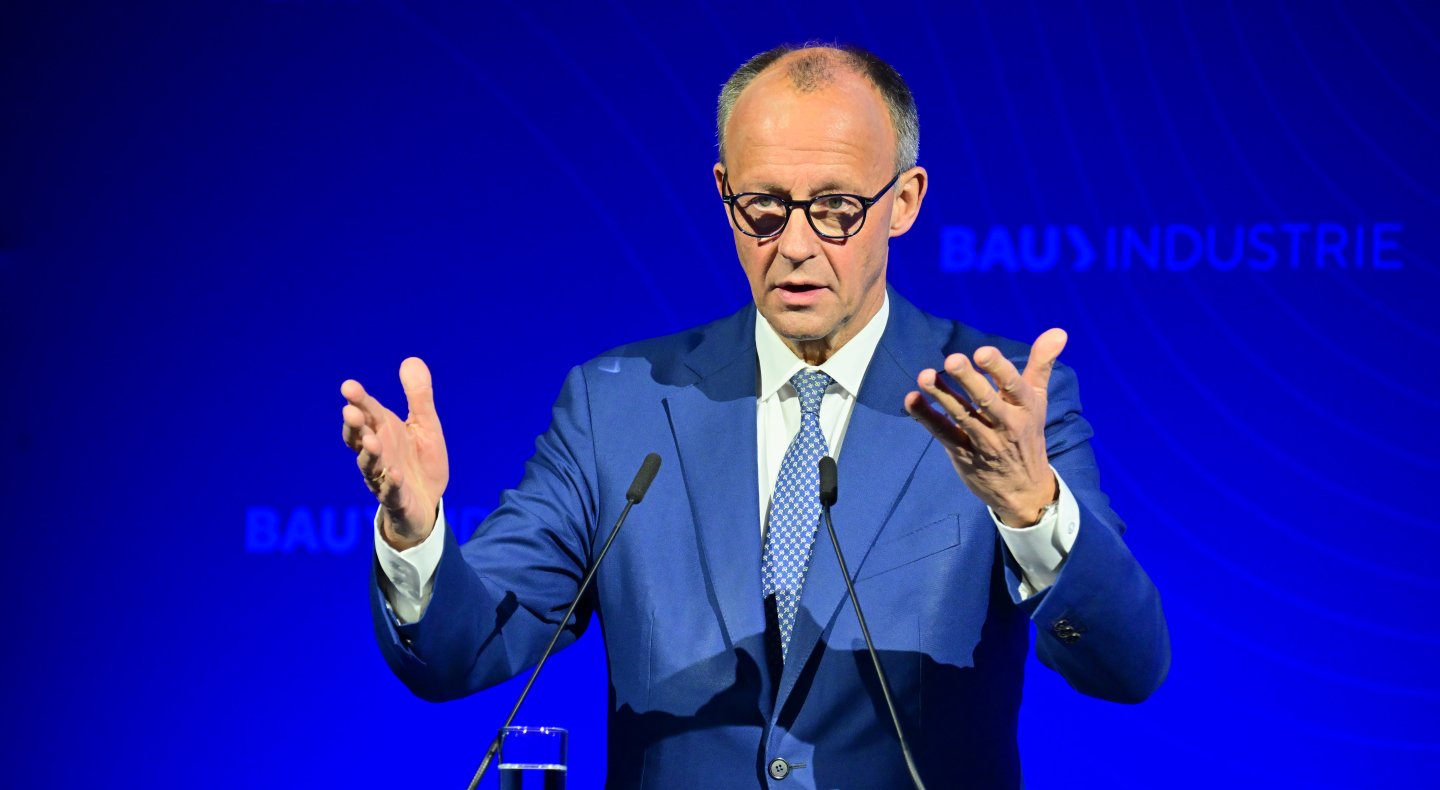
German Chancellor Friedrich Merz has proposed to Ukraine a new format of cooperation with the European Union — associated membership, which would allow Kyiv to gradually integrate into EU structures even before official accession. At the same time, President Volodymyr Zelenskyy has opposed this idea, emphasizing that Ukraine deserves full membership, not “half-measures.”
What Berlin is proposing
Merz’s initiative envisages Ukraine’s participation in the work of EU institutions without the right to vote, gradual access to the EU budget, and political rapprochement with Brussels. Supporters of this approach believe that this will allow Ukraine to integrate into the European space more quickly in conditions where full accession can take years due to complex procedures and political disputes within the EU.
Why Kyiv is against
The main argument of the Ukrainian side is the lack of guarantees of full membership in the future. Associated status is not stipulated in the basic documents of the EU, so there is a risk that Ukraine will remain in a “gray zone” for a long time without any real influence on the decisions of the European Union. In addition, Kyiv fears that individual member states may block or reconsider such a format of cooperation at any time.
A discussion that will determine the future
Despite criticism, the very emergence of such an initiative indicates Europe’s readiness to seek new mechanisms for Ukraine’s integration. Experts emphasize that Kyiv’s main task now is not only to uphold political ambitions, but also to accelerate reforms, on which the path to full EU membership directly depends.
Without an author