
Ukrainians abroad have updated the rules for notarial actions at consulates: what will change
/ 20 August 2026 19:13
4 min to read
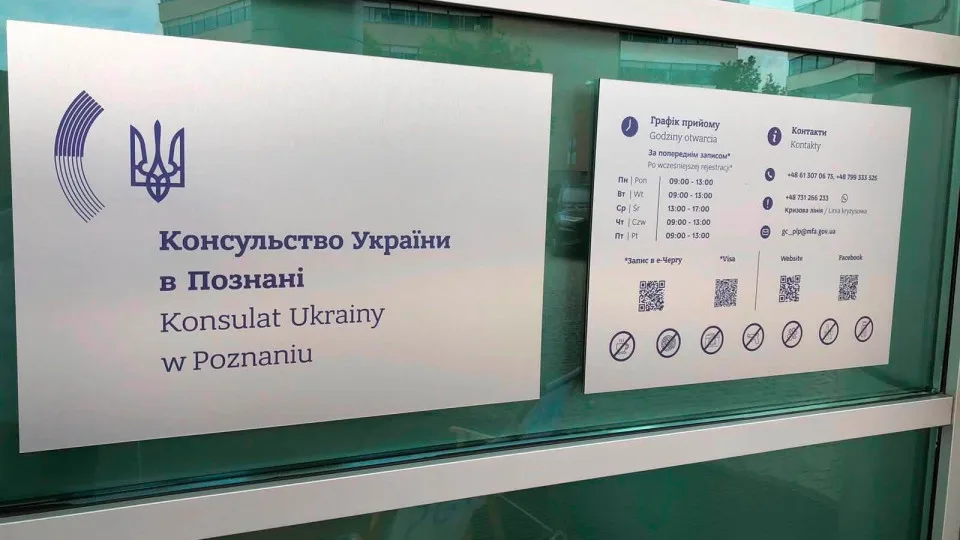
For Ukrainians abroad, the procedure for performing notarial acts in diplomatic missions and consular offices has been updated. The changes concern transactions with children’s property, parental consent, powers of attorney, representation, and joint property of spouses.
The corresponding order of the Ministry of Justice and the Ministry of Foreign Affairs No. 2037/5/402 was adopted on August 4, 2026 and registered with the Ministry of Justice on August 12.
At the same time, the new rules have not yet entered into force. They will come into effect on the day following the day of official publication of the order.
What is changing for parents
One of the main blocks of innovations concerns transactions with the property of minors and underage children.
If a legally defined transaction with the property of a minor child is performed on his or her behalf by one of the parents, in appropriate cases it will be necessary to provide a notarized consent of the other parent.
At the same time, a number of exceptions are provided for.
The consent of the other parent, in particular, is not required if he is in captivity or hostages, has disappeared under special circumstances, has been declared missing, his place of residence is unknown, or he has been living separately from the child for more than six months and does not participate in his upbringing and maintenance.
When permission from the guardianship authority is not required
An important change concerns the free receipt of property by a child.
If a minor or underage person acquires property for free, in particular real estate, of which he is already a user, such a transaction can be made without the permission of the guardianship and trusteeship authority.
For transactions of minors in cases specified by law, a notarized consent of the parents, adoptive parents or guardian is provided.
The rules for concluding a marriage contract are changing
The update also affected minors who plan to conclude a marriage contract before registering the marriage.
This will require a notarized consent of parents, adoptive parents or guardian.
Consuls will check powers of attorney more carefully
The new rules detail the procedure for checking representatives.
If a notarial act is performed with the participation of a representative, the consul will check his identity, legal capacity and the scope of the granted powers.
In addition, according to the State Register of Civil Status Acts of Citizens, it will be checked whether the principal has died.
If the principal is a legal entity, the Unified State Register will be checked whether it has ceased its activities.
If there is access to the Unified Register of Powers of Attorney, the consul must also check the validity of the power of attorney.
New rules for marital property
The changes also apply to the disposal of the joint property of a husband and wife.
If the ownership right is registered for only one of the spouses, in cases provided for by the rules, the consul will need to provide a notarized consent of the other.
If such consent specifies a specific buyer, legal entity, or certain conditions for the disposal of property, the consul must verify their compliance.
Consent to a transaction will be drawn up according to separate rules
The Regulation has for the first time separately prescribed the procedure for certifying consent to a transaction.
The consul will be able to certify it upon an oral application from the interested person. The document will specify the specific actions for which consent is granted, additional conditions, and its validity period.
What agreements the consul will not certify
The updated rules also specify the list of agreements that cannot be certified by the consul.
In particular, these are agreements on the alienation and pledge of real estate located in Ukraine: residential buildings, apartments, summer cottages, garages, land plots, objects of unfinished construction, and future real estate objects.
In addition, the list of notarial acts of consuls excludes certification of the authenticity of a qualified electronic signature on electronic documents.
Thus, the new rules not only bring consular procedures into line with the updated legislation on children’s rights, but also strengthen the verification of powers of attorney and representatives and detail the procedures with which Ukrainians abroad apply to consular institutions.
Without an author