
Ukrainians are changing the Polish economy: already 5% of the labor market and a billion-dollar contribution to GDP
/ 6 April 2026 10:00
2 min to read
Ukrainians continue to play a key role in the Polish economy, significantly strengthening the labor market and stimulating economic growth. As of July 2025, they already account for 5% of all insured workers in the Polish social insurance system (ZUS), while ten years ago this share barely reached 0.5%.
According to the Polish Institute of Economics, the total number of Ukrainian migrants in Poland has reached 1.51 million people. Most of them are in the country legally: almost a million have temporary protection status, another half a million have a temporary residence permit, and over 57 thousand have permanent status.
The educational component is also important: almost 300 thousand Ukrainian children study in Polish schools and kindergartens, and over 47 thousand students in universities. This indicates not only the scale of migration, but also the long-term integration of Ukrainians into Polish society.
In terms of employment, the structure of the Ukrainian community is quite diverse. About 39% work in positions that do not require high qualifications or in jobs of medium complexity – mostly men who have been in Poland for a relatively short time. Another 30% are young women who are actively involved in the service and education sectors.
At the same time, 16% of adult Ukrainians are currently unemployed – mostly women who are either looking for work or temporarily economically inactive. Another 15% are young people who have been living in Poland for a long time and occupy various positions on the labor market.
In total, more than 854 thousand Ukrainians are officially insured in the ZUS system, which confirms their significant contribution to the legal economy of the country.
The economic effect of Ukrainian migration is tangible: according to experts, it provides an increase in Poland’s GDP by 0.5–2.4% every year. This is due to an increase in the labor force, active consumption and a gradual increase in the productivity of enterprises.
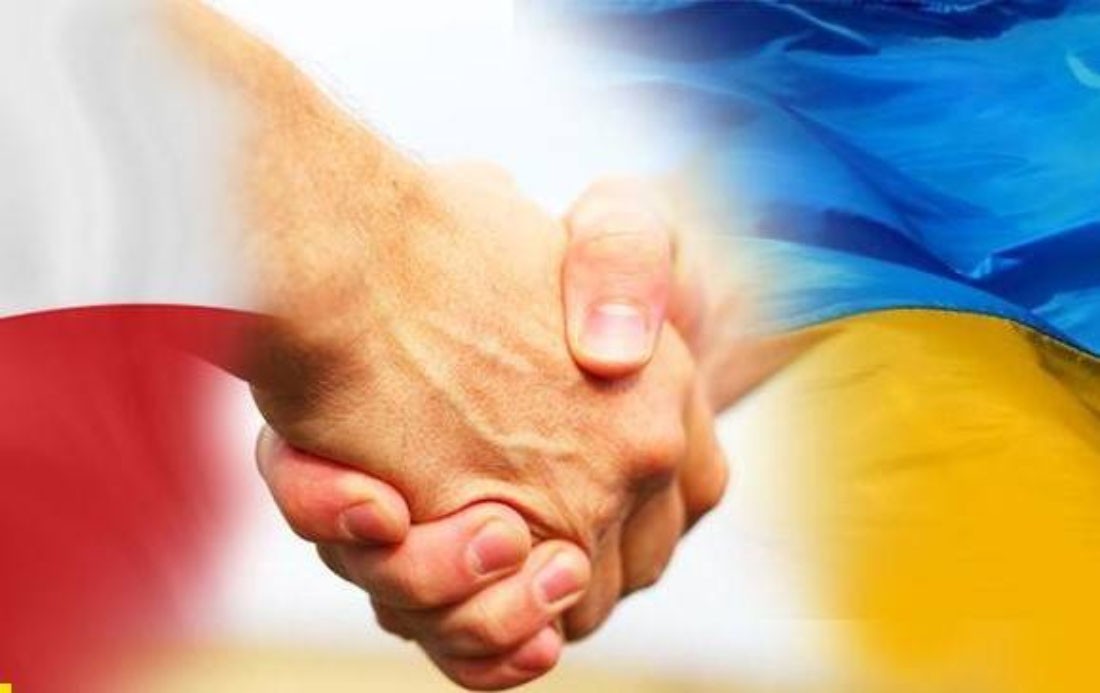
Poland not only accepted a significant number of Ukrainians, but was also able to effectively integrate them into its economy, turning the migration challenge into a powerful driver of development.
Without an author