
A court in Dnipro evaluated AI identification in car sharing: a selfie did not prove guilt in a traffic accident
/ 25 May 2026 15:26
4 min to read
The court first analyzed in detail the role of artificial intelligence and selfie verification in a dispute over car damage
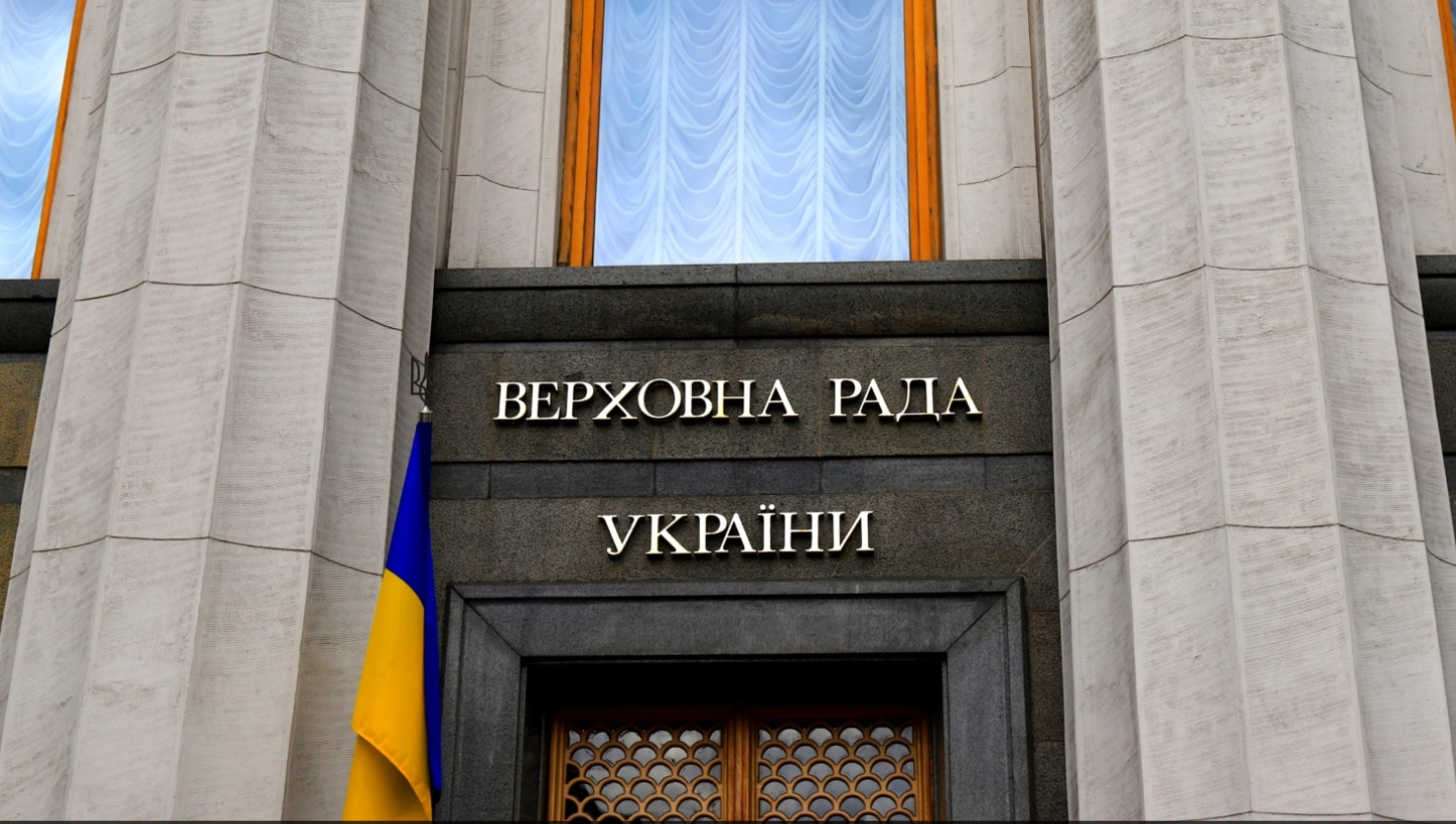
The Soborny District Court of Dnipro in case No. 201/16311/24 dated May 11, 2026 considered a dispute between a car-sharing company and a service user regarding the recovery of more than 116 thousand hryvnias in damages and a fine after a road accident.
The case is already being called exemplary for the practice of electronic contracts and the use of AI-identification in the car-sharing sector, as the court separately analyzed selfie verification, facial recognition algorithms and their evidentiary value in civil proceedings.
How AI-identification worked in the car-sharing service
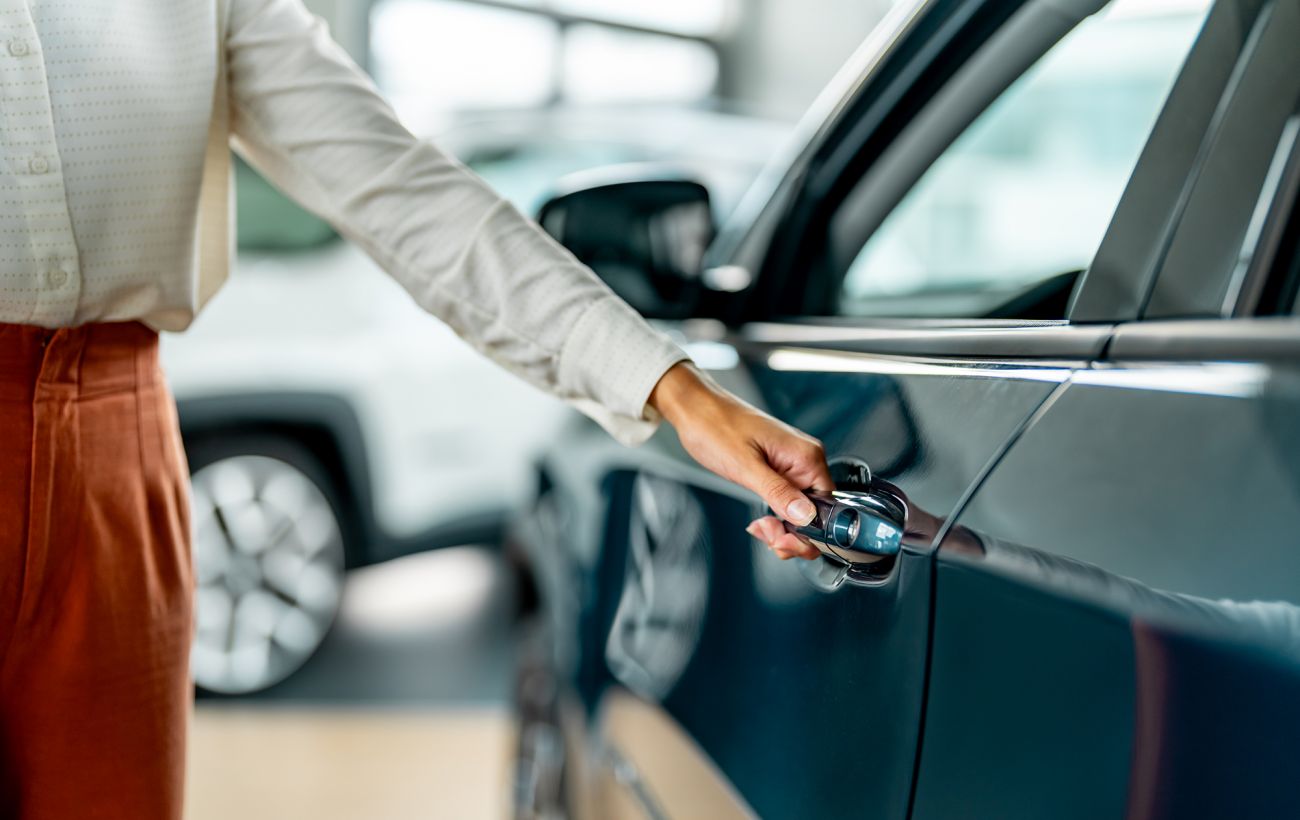
The car was unlocked after checking the selfie
According to the case materials, the defendant registered in the car-sharing mobile application through “Diya”, providing:
a passport of a citizen of Ukraine;
a driver’s license;
selfie to verify identity.
After that, the system used an artificial intelligence algorithm that compared the user’s photo with the selfie taken during registration.
Only after successful facial recognition was the car unlocked for the trip.
The case also contained data that while using the car, the system launched an additional selfie check five times. The same woman was recorded in all the photos.
The company demanded more than 116 thousand hryvnias
The user was accused of concealing the accident
The plaintiff claimed that after the trip, the car was found damaged.
According to the company, the user:
did not report the accident;
did not call the police;
abandoned the car after the damage.
On this basis, the car sharing company demanded the recovery of damages and penalties.
The defendant denied involvement in the damage
The court was not provided with GPS, telemetry and photo fixation
At the same time, the defendant stated that the plaintiff did not prove her involvement in the accident.
In particular, the company did not provide:
GPS data of the car’s movement;
telemetry;
initial photo fixation of the car’s condition before the trip;
appropriate photos of the damage;
an expert opinion on the time of damage.
The court also drew attention to the fact that the car’s license plates were not even visible in the submitted photos, which made it impossible to accurately identify it.
Court: AI can confirm the use of the service, but not the fault in the accident
The fact of car repair itself is not evidence of liability
Having examined the case materials, the court concluded: AI identification through selfies and facial recognition algorithms can confirm the fact of using the service by a specific person.
However, this is not enough to automatically impose liability for damage to the car.
The court emphasized that in order to recover damages, it is necessary to prove:
the fact of damage during the defendant’s use;
a causal connection;
unlawful conduct;
the fault of a specific person.
Separately, the court emphasized: the fact of repairing a car in itself is not proper proof of the user’s fault.
The case may become a benchmark for the car sharing market
The court has actually determined the standards of proof for AI services
In fact, the decision of the Sobornyi District Court of Dnipro has formed an important approach for future practice in the field of digital services and electronic contracts.
The court recognized that artificial intelligence technologies and selfie verification can be auxiliary evidence of the use of the service, but they do not replace full-fledged proof of the circumstances of the accident and the fault of the person.
For car sharing companies, this means the need to ensure full technical recording of car use – with GPS data, telemetry, photo recording of the car’s condition before and after the trip, as well as proper documentation of the circumstances of possible damage.
Without an author