
Hungary’s parliament has backed constitutional changes that could lead to the president’s early resignation
/ 14 July 2026 20:03
3 min to read
The Parliament of Hungary voted in favor of constitutional changes, which provide for the possibility of early termination of the powers of President Tamáš Šuyok and changes regarding the leadership of the Constitutional Court.
This is reported by Politico and the Hungarian publication Telex.
139 parliamentarians voted for the relevant changes, six deputies opposed. Representatives of the Fidesz party and its KDNP allies boycotted the vote.
The new government continues reforming the political system
The initiator of the constitutional changes was the Tisza party of Hungarian Prime Minister Peter Magyar.
Even during the election campaign, Magyar declared his intention to reform state institutions and remove from key positions high-ranking officials whom he considers to be politically close to former Prime Minister Viktor Orban.
In particular, the head of government repeatedly criticized President Tamas Shuyok, accusing him of supporting the political interests of Fidesz.
“Every time he had to choose between constitutional principles and the interests of Fidesz, Tamas Sujok repeatedly chose the interests of Fidesz,” Magyar said during his speech in parliament.
The new government explains the need for constitutional reform as a desire to renew the political system after Viktor Orbán’s long-term rule and to strengthen democratic institutions.
The president must sign the constitutional amendments
According to Hungarian law, the changes adopted by the parliament must be signed by President Tamas Suyok. He has five days to do this.
If the president refuses, Peter Magyar promised to initiate the impeachment procedure.
The president can also promise a document. At the same time, in case of repeated approval by the parliament, he will be obliged to sign the amendments.
Shuyok himself said that his possible early removal from office could cause a “constitutional crisis.”
The changes will affect the Constitutional Court and deputies
Separate provisions of the constitutional reform provide for the limitation of the deputy’s mandate to 12 years.
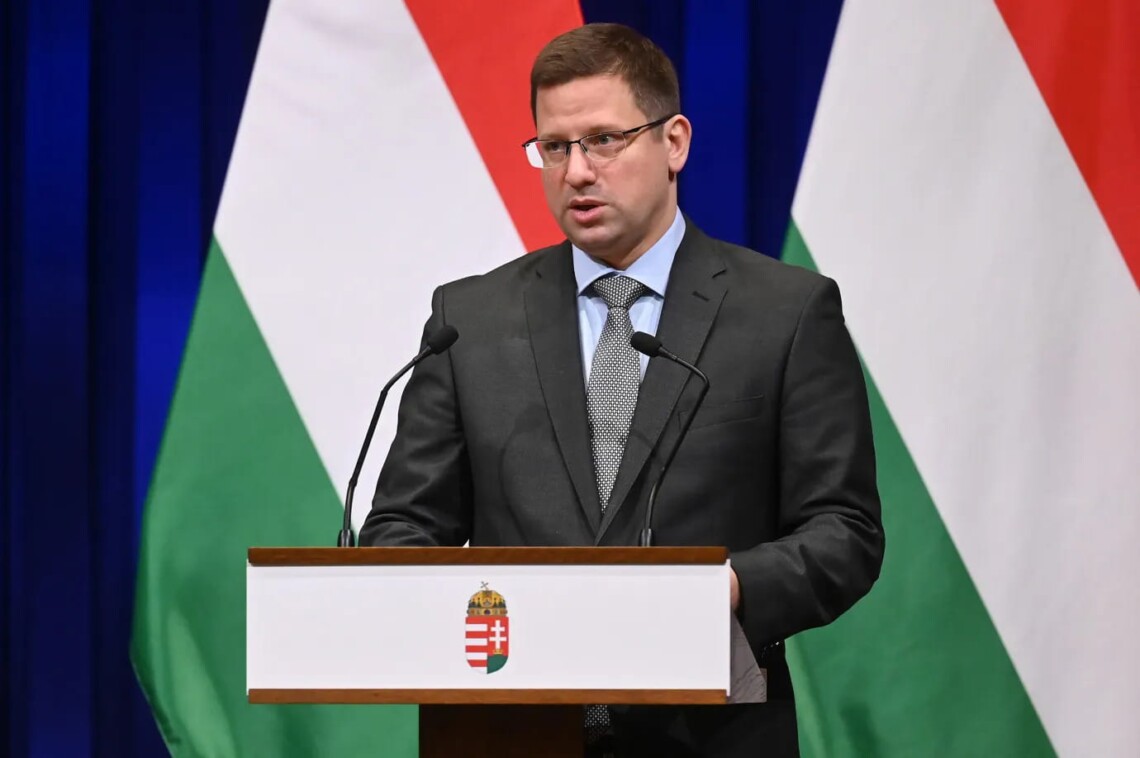
Against the backdrop of the adoption of the changes, Gergei Guyash announced his resignation from the leadership position in the Fidesz parliamentary faction.
Also, the reform restores age restrictions for holding office in the Constitutional Court. It is expected that this may lead to personnel changes in the leadership of the judicial institution.
Earlier, the Hungarian parliament also supported constitutional changes that would limit the tenure of the prime minister to a maximum of eight years.
The political confrontation between the new government of Hungary and representatives of the previous political system continues after the change of government. Peter Magyar declares the need for a large-scale reboot of state institutions, while his opponents warn of the risks of a political and constitutional crisis.
Without an author