
In the Odessa region, it is proposed to increase quotas for farmers’ reservations to 80% during sowing and harvesting
/ 3 July 2026 12:54
2 min to read
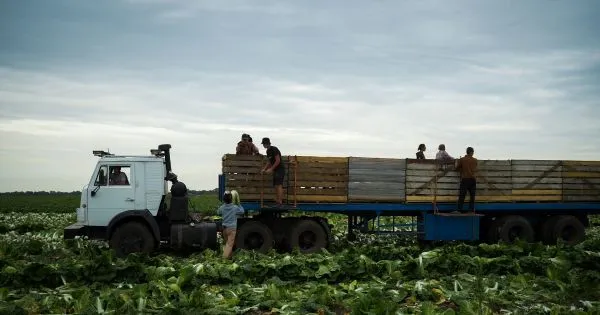
The Odesa Regional Military Administration has taken the initiative to introduce flexible quotas for the reservation of agricultural sector workers. This involves the possibility of temporarily reserving up to 80% of military-liable employees of agricultural enterprises during active field work.
The initiative appeared against the backdrop of an acute shortage of personnel that farmers face during the sowing campaign and harvest.
The issue was discussed during a joint meeting with the participation of representatives of the regional authorities, the Regional Council of Entrepreneurs and the public organization Agraria of Odessa Region.
As market participants note, the current reservation quota of 50% no longer meets the real needs of agricultural producers, especially during peak seasons.
Head of the NGO “Agraria of Odessa Region” Alla Stoyanova emphasized that the 50% restriction complicates the planning of production processes and creates risks for the yield and food security of the region.
According to experts, during the season of active field work, every day of delay can directly affect the results of the harvest, and therefore the stability of the food market.
What is proposed
The initiative provides for the introduction of a seasonal reservation mechanism, according to which the percentage of reserved workers will be adjusted depending on the stage of the agricultural cycle.
According to the initiators, this approach will allow:
— to ensure the continuity of technological processes in the field;
— to preserve jobs in rural areas;
— to support stable production of agricultural products.
It is expected that the Cabinet of Ministers of Ukraine will consider this proposal in the near future.
If approved, the Odesa region may become a pilot region for the introduction of seasonal reservation, which, according to the agricultural business, will allow adapting mobilization mechanisms to the real needs of agricultural production under martial law.
Without an author