

Parliament Considers Restricting Demolition of Small Trade Structures: Courts to Decide
/ 30 March 2026 12:23
2 min to read
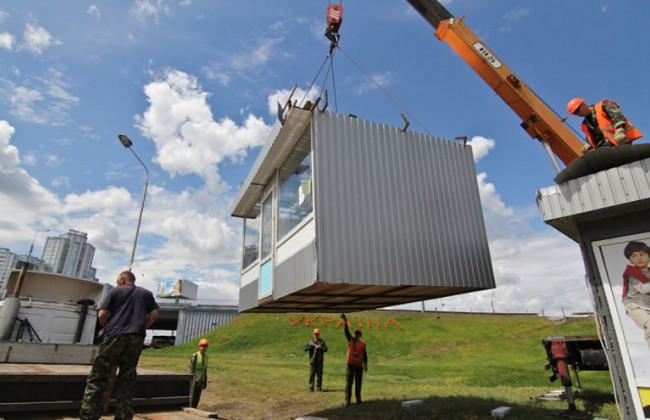
Ukraine’s Parliament is reviewing draft law No. 15035, which could significantly change the rules for dismantling small architectural forms (MAFs) and kiosks. The initiative, proposed by MP Halyna Tretiakova, would transfer the authority to decide on their removal from local governments to the courts.
Under the draft, demolition or forced relocation of such structures would only be possible based on a court decision and in strictly limited cases — namely for national defense needs, protection of critical infrastructure, or to eliminate immediate threats to life and health.
Mandatory Economic Justification
The bill introduces a requirement for authorities to conduct detailed socio-economic assessments before making decisions affecting small businesses. These must include:
- evaluation of job losses and self-employment impact;
- estimation of budget losses from reduced tax revenues;
- analysis of alternative measures that would avoid shutting down businesses.
Additionally, authorities would be required either to compensate entrepreneurs for losses or provide alternative locations for business activity.
Protecting Small Business
The authors of the draft law argue that, in practice, decisions to demolish kiosks and MAFs are often made without assessing their economic and social consequences. This results in job losses, destruction of lawful self-employment, and increased social tension.
Such businesses — including small cafés, kiosks, and local retail points — often serve as the primary source of income for households and play a key role in local economies.
Criticism and Legal Concerns
At the same time, the draft has raised concerns among legal experts. The Parliament’s scientific advisory body warns that the proposal may improperly limit the powers of public authorities and conflict with the principle of separation of powers.
Other concerns include:
- vague legal wording that allows broad interpretation;
- risks of legitimizing unauthorized structures;
- potential conflicts with existing urban planning rules (e.g., “red line” restrictions);
- lack of a clear mechanism for компенсації damages.
Conclusion
While the draft law aims to strengthen protections for small businesses, it also introduces complex legal challenges. Striking a balance between предпринимательские rights and the authority of local governments will be central to further legislative debate.
Without an author